
Balagne Hilltop Village Architecture Guide Near Calvi
Explore Balagne hilltop village architecture near Calvi. Learn about medieval stone structures and historic layouts in this 2025 guide. Book your tour now!
On this page
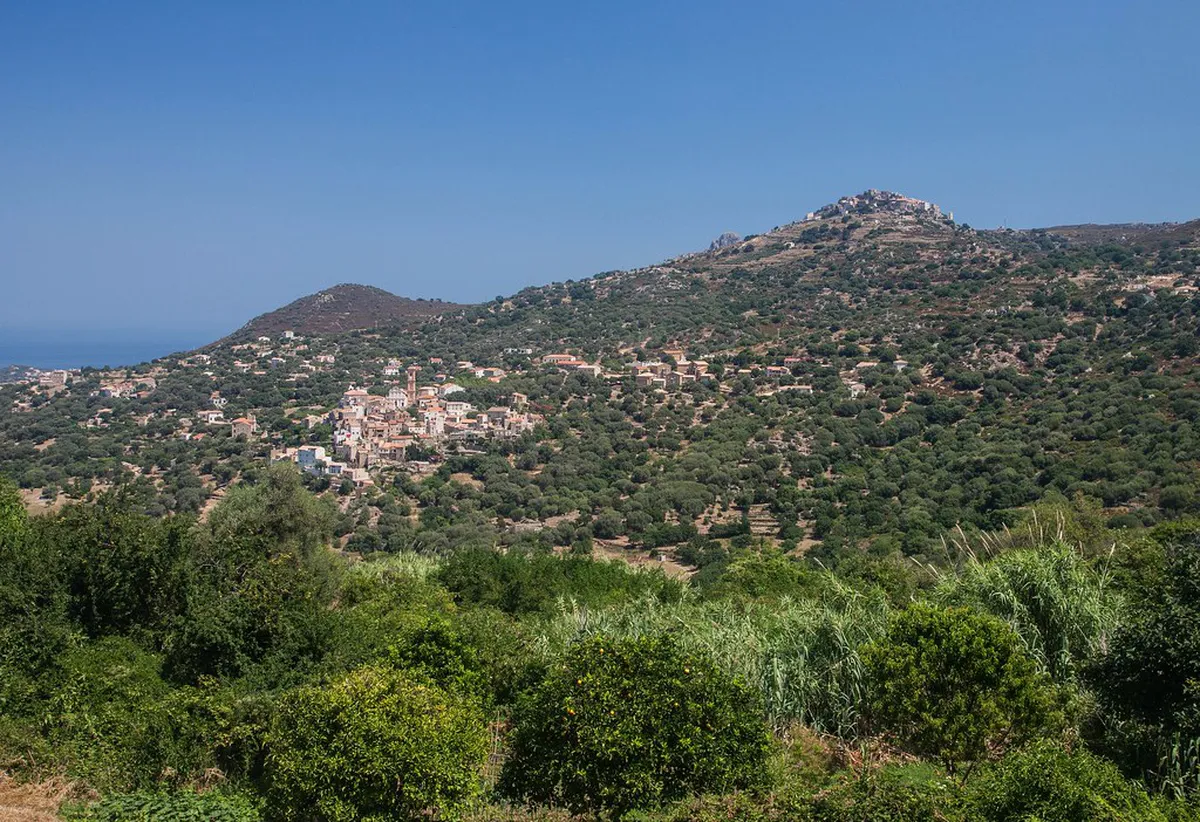
Welcome to the stunning Balagne region in northern Corsica for your 2025 trip. This beautiful area sits high above the sparkling Mediterranean coastline near Calvi city. You will find incredible examples of Balagne hilltop village architecture throughout these mountains. These ancient settlements reflect centuries of history and traditional Corsican building techniques. Every village offers a unique perspective on how locals adapted to the land. You should plan for a full day of exploration to see them.
The architecture here served both defensive and practical purposes for the early residents. Builders used local granite and limestone to create structures that last for centuries. You can see these materials in every narrow street and vaulted passage way. The golden light of the afternoon makes these stone buildings look truly magical. It is the perfect place for history lovers and photography fans alike. Let us dive into the details of these historic Corsican treasures.
The Ancient Layout of Sant Antonino Village
The village of Sant Antonino is a true medieval gem in the Balagne region. It sits nearly five hundred meters above the sea level on a rocky peak. The circular Santantonino medieval layout remains perfectly preserved for modern visitors to explore. This specific design helped villagers defend their homes from invading pirates and enemies. You will notice how the houses form a continuous protective wall today.
Narrow streets wind through the village in a maze-like fashion for protection. These paths were designed to confuse outsiders who entered the village without permission. Most of the walkways are too narrow for cars to pass through safely. This creates a quiet and peaceful atmosphere for everyone walking the stone paths. You should wear sturdy shoes because the ground is often quite uneven. The views from the highest point in the village are absolutely spectacular.
Many houses are built directly into the natural rock of the mountain side. This technique provided extra stability and saved on expensive building materials long ago. You can see where the natural stone ends and human construction begins clearly. These homes stay very cool during the hot summer months in Corsica. The thick stone walls provide excellent insulation against the intense Mediterranean sun. Most residents still use these ancient cooling methods during the July heat.
Visiting Sant Antonino usually takes about two hours to see everything properly. There is a small parking fee of three Euros during the summer season. You can find several small cafes serving fresh citronnade near the village entrance. It is best to arrive before ten in the morning to avoid crowds. The local church features beautiful religious art from the seventeenth century inside. Do not forget to bring your camera for the panoramic valley views.
Stone Craftsmanship and Artistry in Pigna
Pigna serves as a vibrant hub for local artistic expression and stone work. The architecture here focuses on granite and other local materials found nearby. You will notice the incredible Pigna stone craftsmanship on every renovated building facade. Builders used golden stone to create a warm and welcoming atmosphere for all. The village underwent a major restoration project several decades ago to preserve it. This effort saved many historic structures from falling into total ruin.
Many buildings feature vaulted workshops for skilled local artisans to practice their crafts. These spaces use natural light to highlight hand-crafted work like pottery and lutes. You can watch master craftsmen work using traditional tools from centuries ago. The village feels like a living museum of Corsican culture and heritage. Most workshops are open to the public from Tuesday through Saturday each week. It is a great place to buy authentic local souvenirs today.
The blue painted shutters offer a striking contrast to the warm stone walls. This specific color choice is a signature look of the Pigna village architecture. Many windows also feature traditional iron railings with decorative patterns and local symbols. These small details show the pride that locals take in their historic homes. You will find many hidden courtyards filled with colorful flowers and green plants. These private spaces provide a quiet escape from the main walking paths.
The community built an open-air theater using traditional stone techniques for summer concerts. This venue hosts many musical events that celebrate local Corsican polyphonic singing traditions. The acoustics of the stone structure are world-class for vocal performances today. Tickets for these shows usually cost between fifteen and twenty-five Euros per person. It is a magical experience to hear music under the stars here. Make sure to book your seats online well in advance during July.
Religious Heritage and Structures in Corbara
Corbara showcases the deep religious heritage of the Balagne hilltop village architecture style. The white-washed buildings stand out beautifully against the lush green hills of Corsica. You can explore the Corbara religious complex architecture which includes a stunning historic convent. This site offers peace and architectural beauty to all guests who visit. The Baroque details on the church facades are truly impressive to behold. Many visitors spend several hours exploring the various chapels and shrines.
Explore the Moorish influences found in the local roof designs and white walls. These elements reflect the diverse history of the Mediterranean islands and their people. Many chapels in this area date back to the fourteenth and fifteenth centuries. You will find intricate marble work inside the main parish church of Corbara. The altar pieces are painted with vibrant colors that have survived for generations. It is one of the most decorated churches in the region.
The village layout follows the natural contours of the steep hillside very closely. Houses are stacked on top of each other to maximize the available space. This creates a dense urban environment that feels very safe and secure today. You can find many small fountains that still provide fresh mountain water. These water sources were vital for the survival of the village historically. Many locals still use them to water their decorative flower gardens.
Costs for visiting most local churches are usually based on small voluntary donations. Most sites remain open from nine in the morning until six in evening. Please respect the active worship times when visiting these sacred local spaces. The silence inside the convent gardens offers a wonderful break from travel. You can see the ruins of an old castle nearby as well. It provides a great context for the military history of Corbara.
Common Features of Balagne Residential Styles
Defensive needs shaped the Balagne hilltop village architecture significantly over many long centuries. Villagers built homes high on ridges to spot potential pirate threats very early. These high vantage points saved many lives during the middle ages in Corsica. You can still see the old watchtowers that guard the coastal approaches. Understanding traditional Corsican residential styles requires looking at these defensive features. Every house was essentially a small fortress for the family living inside.
Thick stone walls help keep the interiors cool during the hot summer months. Most homes feature small windows to limit the entry of the harsh sun. This design is perfect for the warm climate found in northern Corsica. You will often see heavy wooden doors made from local chestnut wood. These doors were designed to withstand forced entry and extreme mountain weather. Many of the original locks and hinges are still in use today.
Modern renovations in 2025 must follow very strict local building and design guidelines. Owners must use specific stone types for all exterior repairs and new additions. This preserves the visual harmony of the entire hilltop village region for everyone. You cannot use modern materials like plastic or bright metal on exteriors. This commitment to tradition keeps the Balagne area looking very authentic and historic. It is why the region remains so popular with global travelers.
Most residential buildings include a ground floor space for animals or storage needs. The living quarters are typically located on the second and third floors above. This layout kept the family away from the damp ground and pests. You can still see the stone stairs that lead to the upper levels. Some houses have small balconies that overlook the narrow streets and squares. These spots are perfect for watching the world go by slowly.
Planning Your Architectural Tour from Calvi
Start your journey from the historic port city of Calvi for the best experience. Many tourists take a guided architecture tour of Calvi to begin their day. This provides helpful context for the inland village styles you will see later. You can learn about the Genoese influence on the coastal fortifications first. The transition from coastal to mountain architecture is very interesting to observe. Most tours depart from the harbor area near the main citadel.
Renting a small car is the best way to travel through Balagne. The roads are narrow and wind sharply through the mountains above the coast. You should drive slowly to enjoy the spectacular views of the sea. Parking can be difficult in these tiny villages during the peak season. Arrive before ten in the morning to find a spot quite easily. Most villages charge a small fee for parking in the official lots.
Wear comfortable walking shoes for the steep cobblestone paths in every village. Many villages are entirely pedestrian zones to ensure visitor safety and peace. Bring plenty of water during the hot summer afternoons in July and August. You will find that most shops close for a few hours mid-day. This is the perfect time to enjoy a long Corsican lunch. Try the local wild boar stew or fresh sheep milk cheese.
The best time to visit for architecture lovers is during the spring. May and June offer beautiful weather and very clear skies for photography. The temperatures are mild which makes walking up the hills much easier. You will also see the spring flowers blooming against the old stones. September is another excellent choice for fewer crowds and pleasant evening air. Most village festivals take place during the late summer months as well.
Frequently Asked Questions
What is the best way to see Balagne hilltop village architecture?
The best way to see these villages is by renting a car. You can drive between the villages at your own relaxed pace today. Most villages are only fifteen minutes apart by car from Calvi. This allows you to see three or four sites in one day. Wear comfortable shoes for walking on the steep stone paths.
Are the villages in the Balagne region free to visit?
Yes, most of the villages are free to enter and explore. You might need to pay a small fee for car parking. Some specific museums or churches may ask for a small donation too. Most visitor costs go toward maintaining the historic stone structures and paths. It is a very affordable way to spend your vacation.
How old are the buildings in these Corsican hilltop villages?
Many of the buildings date back to the medieval period in Corsica. Some structures in Sant Antonino were built over nine hundred years ago. Most of the architecture you see today is from the seventeenth century. The stone walls have been repaired many times to keep them standing. They represent centuries of continuous human habitation in the mountains.
Which village is the most beautiful in the Balagne region?
Many people consider Sant Antonino to be the most beautiful village here. It is officially listed as one of the most beautiful villages in France. Pigna is also very popular for its artistic charm and blue shutters. Corbara offers the best views of the coastline and the sea. You should try to visit at least three different villages.
Can I find food and water in the hilltop villages?
Yes, every village has at least one small cafe or local restaurant. You can find fresh local food like cheese and cured meats easily. Most villages also have public fountains with clean drinking water for all. It is smart to carry a reusable water bottle with you. Prices for meals are generally very reasonable for tourists in 2025.
Exploring Balagne hilltop village architecture is a highlight of any trip to Corsica. These stone settlements offer a window into the past of this rugged island. You will appreciate the skill of the ancient builders and their techniques. The views of the Mediterranean from these heights are truly unforgettable for visitors. Make sure to visit Sant Antonino and Pigna during your next stay. Plan your architectural journey from Calvi today for the best 2025 experience.
Key Takeaways
- Visit Sant Antonino for the best preserved circular medieval layout.
- Explore Pigna to see expert stone craftsmanship and local artisan workshops.
- Check out Corbara for its white-washed religious buildings and Baroque details.
- Arrive before 10 AM to secure parking in the small mountain villages.
- Wear sturdy walking shoes for the steep and uneven cobblestone streets.
Related reads: architecturebycity.com, architecture in calvi, calvi citadel structural history.