
Calvi Citadel Archaeological Sites Guide
Discover Calvi citadel archaeological sites and the ruins of Columbus' house. Plan your visit to Corsica for a historical journey today.
On this page
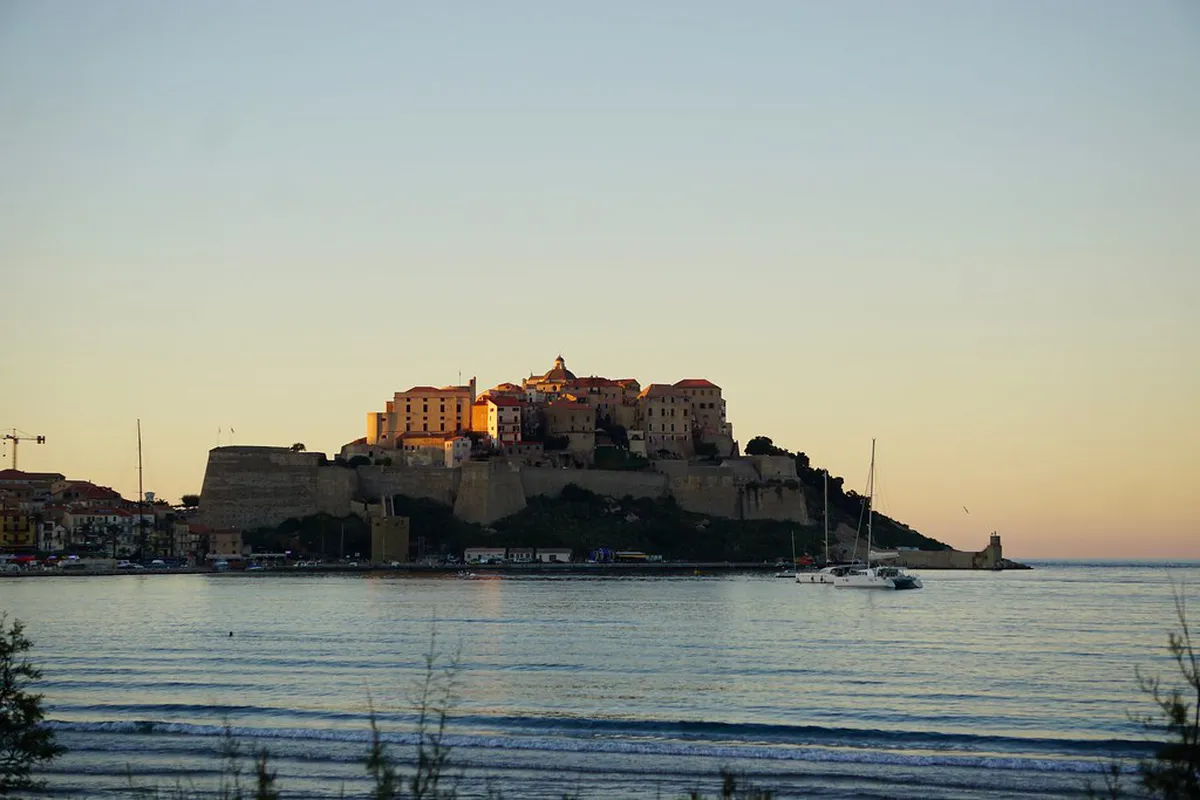
Calvi Citadel stands as a proud symbol of Corsican history. It overlooks the Mediterranean Sea from a rocky headland. This fortress has protected the city for many centuries. Many travelers visit to see Calvi citadel archaeological sites every year.
Walking through the gates feels like stepping back in time. The narrow streets lead to many hidden historical treasures. Every stone tells a story of survival and local power. Exploring these ancient sites is a highlight for every visitor.
You will find ruins that date back hundreds of years. The citadel remains a living monument of the Genoese era. It offers a unique look at how people lived. This guide will help you discover all the best spots.
The citadel is free to enter for all curious explorers. It stays open throughout the year for your convenience. Plan to spend several hours wandering through the history. You will see why this site is so special.
The History of Calvi Citadel Fortifications
The Genoese built this massive structure starting in the late 13th century. They needed a very strong base to control trade routes. The walls have survived many heavy battles and long sieges. You can still see the original medieval stonework today.
The fortress was designed to be nearly impossible to climb. Engineers used the natural granite cliffs for extra height. This made Calvi a very secure naval base for centuries. It remains one of the strongest citadels in France.
Experts continue to study the Calvi citadel structural history to learn more. Every layer of stone reveals a different era of construction. You can see how the walls were thickened over time. These changes helped the city resist newer artillery weapons.
The views from the ramparts are truly worth the climb. You can see the whole bay of Calvi from here. This site remains an important landmark in the Balagne region. It represents the strength and beauty of Corsican heritage.
The fortifications are a masterpiece of ancient military engineering. Walking along the walls is a favorite activity for tourists. You can see the sea and mountains at once. It is the best place for panoramic travel photos.
The Maison de Christophe Colomb Ruins
The ruins of the Maison de Christophe Colomb are a highlight. Local legend says the famous explorer was born right here. Historians have debated this claim for many decades now. However, the site remains a popular spot for history lovers.
You will find these ruins near the citadel's main entrance. Only the foundation and parts of the walls remain today. A small plaque marks the spot where his home stood. It is a key part of the Maison de Christophe Colomb ruins history.
Visitors can look down into the exposed stone structures easily. These ruins date back to the 15th century Genoese era. They show how people built homes during that specific time. The site offers a unique glimpse into the past.
The area around the ruins is very easy to find. Signs point the way from the main city square. There is no entrance fee to view this landmark. It provides a great view of the harbor below.
Many people take photos of the ruins during the day. The sunlight hits the ancient stones in a beautiful way. You can feel the history as you stand there. It is a must-see for anyone visiting the citadel.
Discovering Medieval House Ruins and Hidden Gems
Many smaller ruins are scattered throughout the upper citadel area. These include foundations of ancient homes and storage areas. Excavations often reveal pottery and tools from the middle ages. These finds help us understand local life centuries ago.
Archaeologists have mapped several housing styles within the thick walls. Some structures were used for defense and military housing. Others served as private residences for very wealthy Genoese families. You can see the variety in the remaining stones.
The preservation of these sites is a priority for Calvi. Workers often repair the walls using traditional masonry techniques. This helps keep the historical atmosphere alive for all. It is truly a living museum made of stone.
Take a guided tour to learn more specific details. Local guides share stories that you won't find in books. Most tours start near the marina every morning. They offer deep insights into the newest archaeological finds.
Exploring the quiet side streets reveals even more ancient ruins. You might find a forgotten doorway or a stone arch. These small details make the citadel feel very authentic. Always keep your camera ready for these hidden spots.
The Palace of the Governors and Its Architecture
The Palace of the Governors is another impressive site here. It was built during the 16th century for officials. The building features a large tower that dominates the skyline. It served as both a residence and a fortress.
Today the palace houses the Foreign Legion's local barracks. While you cannot enter every room the exterior is magnificent. The thick walls were designed to withstand heavy cannon fire. You can still see marks of history on them.
The surrounding bastions offer incredible views of the whole region. Walking along these ramparts is a favorite activity for many. You can see the blue sea and high mountains. It is a perfect place for taking panoramic photos.
The palace shows the power of the Genoese administration. It was once the center of political life in Calvi. The architecture is a mix of military and residential styles. It is a very unique building in Corsica.
You can walk around the base of the palace walls. The scale of the construction is quite amazing to see. It stands as a reminder of the city's importance. Make sure to see it during your visit.
Cathedrale Saint-Jean-Baptiste Historical Insights
The Cathedrale Saint-Jean-Baptiste sits at the highest citadel point. This church was built in the late 13th century. It contains many precious religious artifacts and beautiful old paintings. The interior architecture is breathtaking and also very peaceful.
The cathedral features a distinct and unique Greek cross plan. This layout is common in many Mediterranean religious buildings. Visitors should look at the Cathedrale Saint-Jean-Baptiste architecture closely. The dome is a true work of art.
Entry to the cathedral is free during the regular hours. It is usually open from 10:00 AM to 6:00 PM. Please remember to dress modestly when you enter buildings. Silence is respected inside for those who wish pray.
The square outside the church is a great resting spot. You can sit on benches and enjoy the breeze. It is a central hub for all citadel explorations. Many paths lead away from this high point.
Inside you will find a famous black wooden crucifix. Many locals believe this cross protected the city before. It is an important part of Calvi's religious history. The atmosphere inside the church is very special.
Frequently Asked Questions
Can I visit the Calvi citadel archaeological sites for free?
Yes most of the citadel is free to explore. You can walk through the streets and see ruins. Only specific museums might charge a small entrance fee. It is a very budget-friendly destination for travelers.
Where are the Maison de Christophe Colomb ruins located?
These ruins are located near the entrance of the citadel. They sit on the seaward side of fortress walls. Look for the memorial plaque dedicated to Christopher Columbus. It is a very easy site to find.
Is the Calvi citadel accessible for people with mobility issues?
The citadel has many steep hills and cobblestone streets. This can make it difficult for wheelchairs or strollers. We recommend wearing sturdy shoes for the uneven ground. Take your time and use main paved paths.
What is the best time of day to visit?
Early morning is the best time for your visit. The air is cool and the light is perfect. You will also avoid the largest groups of tourists. Late afternoon offers beautiful sunset views from walls.
Are there guided tours for the archaeological sites?
Yes the local tourism office offers several guided tours. These tours explain the history of the Genoese fortifications. You will learn about the recent archaeological finds in depth. They are available in multiple languages during summer.
Calvi citadel archaeological sites offer a fascinating look at history. From the ruins of Columbus' house to the grand cathedral. This fortress remains a must-visit destination for any traveler in 2025. Plan your trip to Calvi to experience these wonders soon.
Key Takeaways
- Explore the legendary ruins of Christopher Columbus' childhood home.
- Walk the massive Genoese ramparts for stunning panoramic views.
- Visit the Cathedral of Saint-Jean-Baptiste at the citadel's peak.
Related reads: architecturebycity.com, architecture in calvi.