
Château Comtal Architectural Features Guide
Explore the unique Château Comtal architectural features in Carcassonne. Learn about its medieval design and towers. Plan your castle tour for 2025 today!
On this page
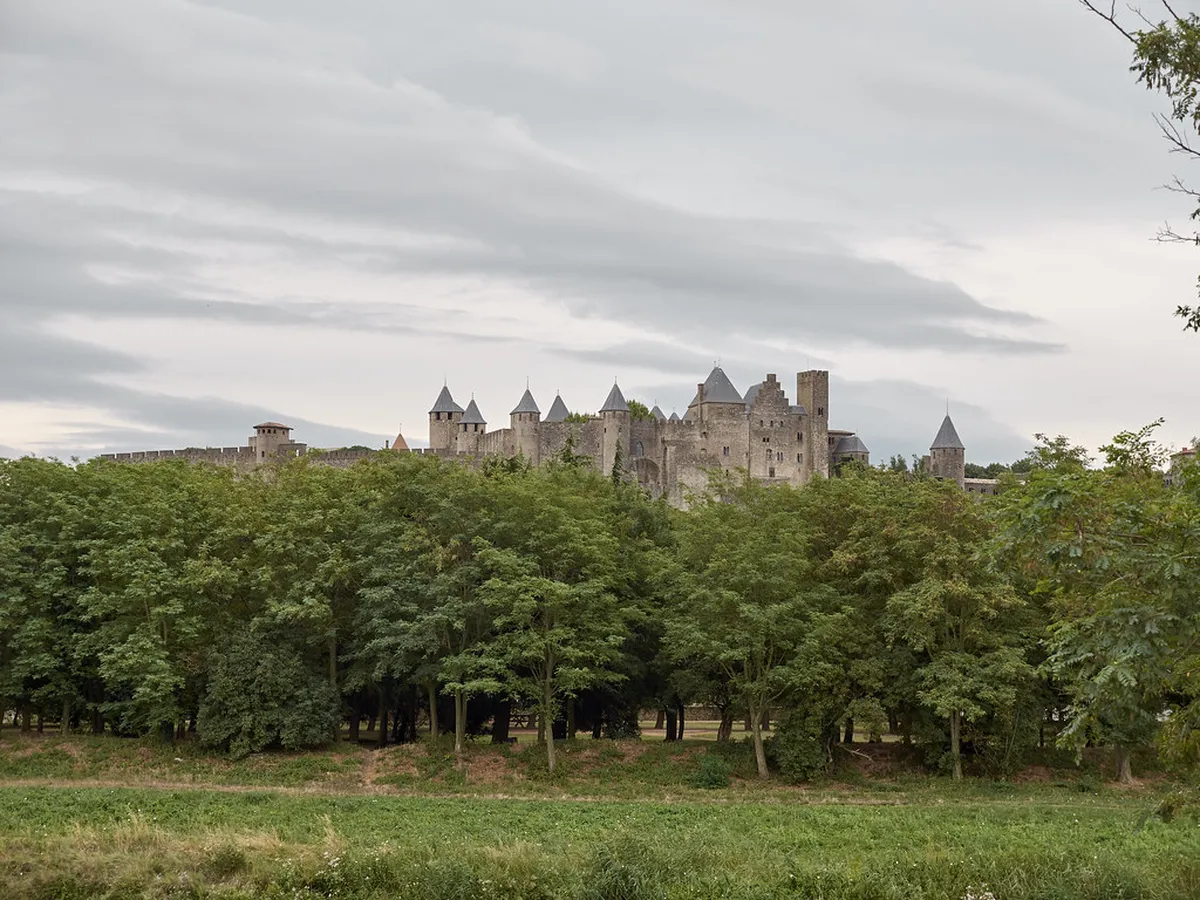
The Château Comtal is a stunning fortress located in Carcassonne, France. It showcases several unique Château Comtal architectural features from the medieval era. This structure sits inside the historic Cité de Carcassonne fortifications system. Travelers from all over the world visit this site every year. In 2025, it remains a top destination for history lovers.
The castle was built by the Trencavel family during the 12th century. It served as a primary defensive hub for the ruling counts. The stone walls tell a story of power and survival. You can see how the design evolved over several hundred years. The site offers a perfect look into military engineering from the Middle Ages.
Visitors can explore the massive towers and deep dry moats. The architecture reflects the need for security during turbulent times. Every corner of the castle displays expert craftsmanship and detail. You will find that the layout is both beautiful and functional. It is an essential stop for anyone visiting southern France this year.
The Defensive Layout and Dry Moats
The primary design of the castle focuses on extreme defensive strength. A deep dry moat surrounds the inner core of the structure. This feature prevented enemies from using heavy siege engines against the walls. It also made it difficult for soldiers to climb the exterior stone surfaces. The moat is a key part of the counts castle defensive layout used today.
The castle features a rectangular shape with many circular towers. These towers provided a wide field of vision for guards. Archers could shoot at intruders from multiple angles at once. The masonry consists of large, precisely cut limestone blocks. This material helped the walls withstand many intense battles over time.
A heavy stone bridge crosses the dry moat to the entrance. This bridge was once a wooden drawbridge for better control. Only one main gate allows entry into the castle's internal space. This single point of entry made it very easy to defend. It shows the smart planning used by medieval military architects.
Large barbicans were added later to provide extra layers of security. These rounded structures protect the main gates from direct frontal attacks. You can see the thick walls and narrow slits for arrows. The design ensures that any attacker would face constant fire. This layout made the Château Comtal nearly impossible to capture quickly.
The Magnificent Twin Towers and Gates
The entrance to the castle is guarded by two massive towers. These towers are known for their height and thick stone walls. They create a narrow passage that forces visitors into a single line. This design allowed guards to check every person entering the fortress. The craftsmanship of these towers is truly remarkable to see in 2025.
Inside the towers, you will find spiral staircases made of stone. These stairs were built to be narrow and easy to defend. Defenders could fight from above while retreating slowly up the steps. The stairs always turn clockwise to favor right-handed defenders. This is a common feature in many medieval French castles.
Each tower has several floors used for storage and housing soldiers. The upper levels offer great views of the surrounding city walls. You can look down into the courtyard from these high vantage points. The towers also held large supplies of weapons and food. This ensured the castle could survive a very long siege.
Iron gates and heavy wooden doors protected the entrance tunnel. You can still see the slots where the portcullis once sat. This sliding metal grate could be dropped in seconds during an attack. The ceiling above the gate has holes for dropping stones or oil. These features made the entrance a deadly trap for any intruder.
The Extensive Restoration by Viollet-le-Duc
The castle we see today owes much to restoration work. In the 19th century, the structure was in very poor condition. Famous architect Eugene Viollet-le-Duc led the massive project to save it. His vision helped restore many Viollet-le-Duc Carcassonne restoration elements accurately. This work preserved the castle for future generations to enjoy.
He used historical documents to rebuild the roofs and the towers. The pointed slate roofs are a signature part of his design. Some critics argue that these roofs were not original to the region. However, they have become an iconic part of the castle's look. They protect the stone walls from rain and winter weather damage.
Viollet-le-Duc also worked on the battlements and the internal galleries. He restored the wooden hoardings that hang from the upper walls. These structures allowed soldiers to drop items directly on the enemy. Without his work, many of these details would be lost forever. The restoration project took many years to complete successfully.
Today, the castle is a UNESCO World Heritage site due to this effort. Visitors in 2025 can appreciate the blend of old and restored stone. The restoration highlights the importance of preserving architectural history. You can see the difference between original medieval stones and newer repairs. It is a masterpiece of 19th-century architectural engineering and design.
Internal Courtyards and Timber Elements
The interior of the castle contains two main open courtyards. These spaces provided light and air to the surrounding buildings. They also served as gathering spots for the castle's residents and soldiers. In the center, you will find the ruins of old buildings. These areas once housed the royal kitchen and the main stables.
The castle features unique interior timber framing in Carcassonne castle structures. High wooden beams support the ceilings of the large banquet halls. These beams are often carved with intricate patterns and historical symbols. They show the skill of medieval carpenters working with local oak. The wood has survived for centuries due to careful maintenance.
One of the most interesting parts is the wooden gallery system. These galleries allowed soldiers to move quickly between the different towers. They were built using heavy timber and covered with protective roofs. You can walk through some of these paths during your visit. They offer a unique perspective of the castle's internal defensive flow.
The Great Hall is the largest room inside the castle walls. It features high ceilings and large stone fireplaces for warmth. This room was the center of political life for the counts. Important guests were greeted here during grand feasts and official meetings. The scale of the room shows the wealth of the Trencavel family.
Archaeological Discoveries and Foundations
The foundations of the castle sit on much older Roman ruins. Carcassonne has been a strategic site for over two thousand years. During excavations, workers found remains of ancient houses and city walls. These layers of history are visible in certain parts of the castle. They provide a timeline of human habitation in this French region.
Archaeologists have uncovered many artifacts within the castle grounds. These items include pottery, old coins, and pieces of iron weapons. You can see many of these finds in the on-site museum. The museum is located in the old lapidary section of the castle. It helps visitors understand daily life during the medieval period.
The stone work in the foundations is different from the upper walls. Roman stones are often smaller and more square in shape. Medieval builders reused these old stones to save time and money. This mix of styles is a highlight for architecture enthusiasts. It shows how building techniques changed over many long centuries.
In 2025, new research continues to reveal secrets about the castle. Modern scanning technology helps map hidden chambers and old drainage systems. Experts are learning more about how the castle was originally constructed. Every new discovery adds to the story of this amazing landmark. You can see the active research sites during the guided tours.
Frequently Asked Questions
What is the cost to visit Château Comtal in 2025?
The standard entry fee is approximately 11 euros for adults. Children under 18 years old can usually enter for free. You should buy tickets online to avoid the long summer lines. Discounts are available for students and large groups visiting together.
Where is the castle located within Carcassonne?
The castle is located inside the upper walled city of Carcassonne. You must enter the Cité through the main Narbonnaise gate first. Follow the signs toward the center of the historic district. You will find the Chateau Comtal archaeological crypt architecture near the main entrance.
How long does a tour of the architectural features take?
A typical self-guided tour takes about 90 minutes to complete. This allows you to see the towers, ramparts, and the museum. If you join a guided group, expect the tour to last two hours. Take your time to photograph the unique stone details.
Are there specific opening hours for the castle?
The castle opens daily at 10:00 AM throughout the whole year. It usually closes at 5:00 PM in winter and 6:30 PM in summer. Note that the last entry is allowed 45 minutes before closing time. Check the official website for holiday schedules before your trip.
The Château Comtal architectural features offer a rare look at medieval history. From the dry moats to the restored towers, the castle is a masterpiece. It represents the strength and beauty of Carcassonne's long and varied past. Make sure to book your tour early for the 2025 season. You will not regret seeing this amazing fortress in person soon.
Key Takeaways
- The castle features a rare double wall system for defense.
- Viollet-le-Duc restored the iconic pointed slate tower roofs.
- The dry moat was a critical feature against medieval siege engines.
- Visitors can explore the castle and ramparts for 11 euros.
- Internal timber framing shows expert craftsmanship from the 12th century.
Related reads: architecturebycity.com.