
General de Boigne Legacy in Urban Design in Chambéry
Explore the General de Boigne legacy in urban design in Chambéry. Learn about the Fontaine des Éléphants architecture and his 2025 city impact.
On this page
General de Boigne transformed the historic city of Chambéry forever. His massive wealth from India funded many large urban projects. This General de Boigne legacy in urban design remains visible in 2025. The city celebrates his generous contributions to local infrastructure today.
Visitors often notice the grand scale of his architectural vision. He moved beyond simple building repairs to create a new city. His work helped transition Chambéry into a modern regional capital. This essay explores how his unique plans shaped the local landscape.
The Visionary Impact of General de Boigne
Benoît de Boigne returned to his hometown with vast fortunes. He served as a successful military commander in the Maratha Empire. His wealth allowed him to fund many ambitious city developments. He wanted to modernize the dark medieval streets of Chambéry.
The General donated millions of francs for various public welfare projects. He founded modern hospitals, new schools, and homes for the poor. These efforts created a strong social foundation for the entire city. His influence extended far beyond simple aesthetic building improvements.
Urban planning became a tool for civic pride under his guidance. He envisioned a town that rivaled larger European capitals in beauty. Visitors can still see his bronze portraits in local museums. His philanthropic spirit continues to inspire modern urban developers today.
He understood that a city needs both beauty and function. His projects focused on improving the daily lives of all citizens. This holistic approach to design was quite revolutionary for that time. It set a high standard for future French urban planners.
The General also focused on the long-term health of the city. He funded clean water systems and better sewage management projects. These technical improvements saved many lives during the nineteenth century. Chambéry became a model of urban hygiene in the Savoie region.
Fontaine des Éléphants Architecture and Symbolism
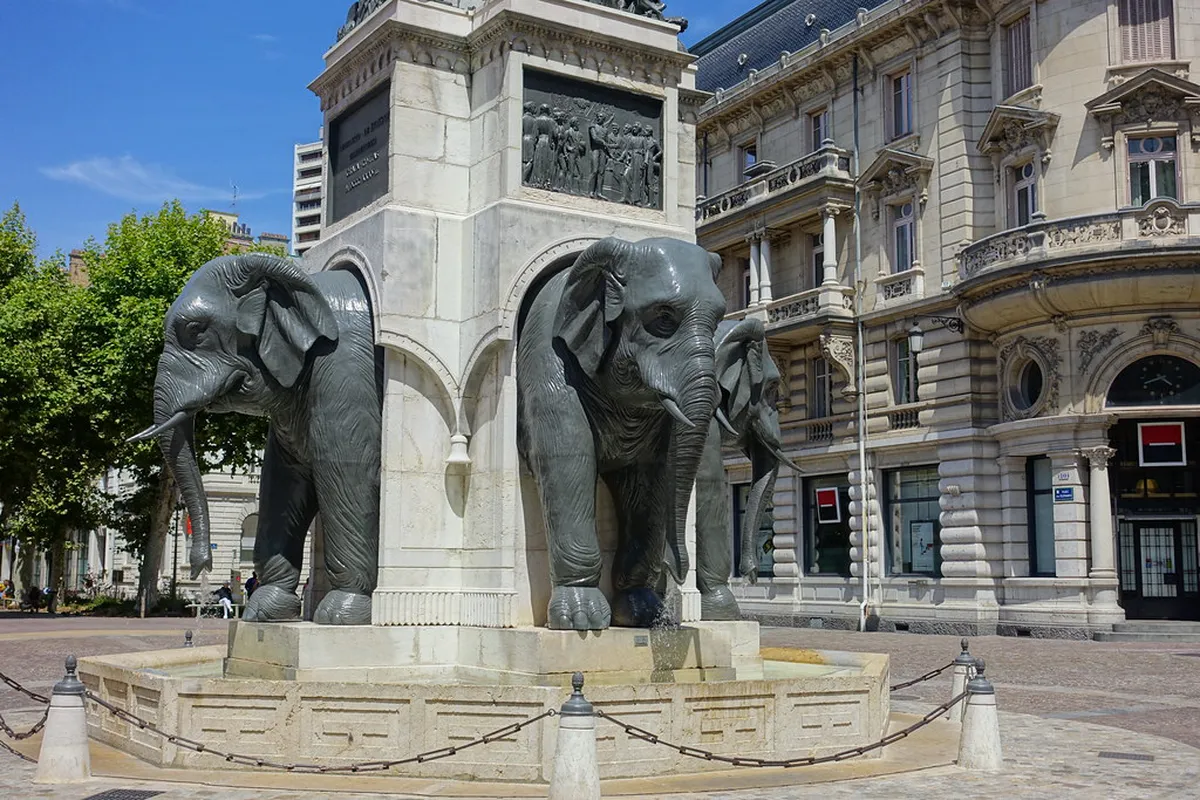
The fountain stands as a tribute to the General's career. It commemorates his famous military victories in the lands of India. Experts study the Fontaine des Éléphants architecture for its great complexity. The monument features four life-sized elephants carved from heavy stone.
Pierre-Victor Sappey designed this grand landmark in the year 1838. The structure reaches a height of nearly eighteen meters tall. It combines exotic themes with classical French sculptural design techniques. The water basins provide a refreshing sound in the city center.
Local residents call the monument by the name Les Quatre Sans Cul. This name refers to the elephants having no rear quarters. The design reflects the General's deep connection to Asian cultures. It remains the most photographed site in Chambéry during 2025.
Restorations have kept the fountain in excellent condition for centuries. Clean stone and bright details highlight the intricate metalwork at the top. It serves as the primary meeting point for many walking tours. The fountain defines the visual identity of the entire district.
The column above the elephants features carved trophies and weapons. A statue of the General stands proudly at the very peak. He looks out over the city he helped to build. This monument is a masterpiece of symbolic urban design architecture.
Rue de Boigne: A Neoclassical Masterpiece
The Rue de Boigne serves as the city's main architectural artery. It was constructed to link the fountain with the ducal castle. This grand boulevard showcases the architecture in Chambéry quite perfectly. Its straight lines contrast with the winding medieval alleys nearby.
Massive stone porticoes line both sides of this famous street. These covered walkways protect shoppers from the frequent Alpine rain. The design mirrors the elegant arcades found in Turin or Paris. They create a rhythmic pattern that draws the eye forward.
Building these arcades required significant engineering skill for that era. The General insisted on using high-quality materials for every facade. This commitment to excellence ensured the buildings survived into 2025. Today, luxury boutiques and cafes occupy these historic ground floors.
Neoclassical symmetry defines the upper levels of the street. Tall windows and iron balconies add a sense of refined elegance. The perspective offered by the street is truly breathtaking for photographers. It represents a transition from old Savoy to modern France.
The street was designed to be wide for its time. This allowed for better air circulation and more sunlight reach. It remains a prime example of nineteenth-century urban planning success. Locals enjoy the shade provided by the arches during summer months.
Integrating History with Modern Urban Flow
De Boigne wanted to improve the flow of urban traffic. He broke through old walls to create wider, cleaner passages. This integration allowed the city to breathe and grow naturally. It successfully merged the historic core with new commercial zones.
The street provides a direct view of the Castle of the Dukes. This visual link emphasizes the historical importance of the Savoy dynasty. Walking these paths reveals the hidden the allees of Chambéry nearby. These narrow passages provide a stark contrast to his grand vision.
Urban designers in 2025 still praise his spatial awareness today. He understood the importance of creating open, public gathering spaces. His work paved the way for future pedestrian-friendly urban zones. Chambéry remains a highly walkable city because of his plans.
The General's legacy is not just about stone and mortar. It is about how people move through and enjoy their environment. His designs encouraged social interaction and local commerce to thrive. The street remains the beating heart of the city's life.
He also focused on the aesthetic continuity of the city. New buildings had to match the height of existing structures. This created a harmonious skyline that remains very pleasing today. His influence helped prevent haphazard development in the historic center.
Preservation of the De Boigne Legacy
Chambéry takes great pride in maintaining these historical urban assets. Strict regulations protect the facades along the Rue de Boigne today. Any modern renovations must respect the original neoclassical design aesthetic. This ensures the General's vision remains intact for future generations.
Tourism plays a vital role in the economy of modern Chambéry. Visitors flock to see the legacy of the famous General. Guided tours explain the technical challenges of his various projects. The city feels like a living museum of neoclassical design.
Educational programs teach local children about their city's famous benefactor. Knowing this history fosters a strong sense of community pride. The General's life story is taught as a lesson in philanthropy. His name is synonymous with the development of Savoyard identity.
Future urban projects in 2025 look to De Boigne for inspiration. Architects study his use of light, space, and durable materials. He proved that private wealth could create lasting public good. His legacy continues to shape the physical and social landscape.
- Strict facade maintenance keeps the neoclassical style alive.
- Public funding supports the restoration of the elephant fountain.
- Zoning laws prevent high-rise buildings in the historic center.
The city often hosts festivals in the spaces he created. These events bring his architectural vision to life for everyone. Community leaders prioritize the preservation of his many public gifts. His impact is woven into the very fabric of Chambéry.
Frequently Asked Questions
Who was General de Boigne?
Benoît de Boigne was a military adventurer and wealthy philanthropist. He earned a fortune in India before returning to Chambéry. He used his wealth to modernize the city's urban design. His contributions improved healthcare, education, and architecture for everyone.
Why is the elephant fountain famous?
The fountain is famous for its unique architecture and history. It honors De Boigne’s service in India with four stone elephants. The monument is a primary symbol of the city’s international connections. It is officially known as the Fontaine des Éléphants.
What is the best way to see his legacy?
The best way is to take a walking tour. Start at the Fontaine des Éléphants in the city center. Walk through the Rue de Boigne toward the historic castle. You will see the grand porticoes and neoclassical facades clearly.
When was the Rue de Boigne built?
The street was constructed during the early nineteenth century. It was specifically designed to modernize the old city layout. The construction was funded by the General's generous financial gifts. It remains the most iconic boulevard in all of Chambéry.
The General de Boigne legacy in urban design remains essential. His vision transformed Chambéry from a medieval town into a modern city. Visitors in 2025 can still experience his grand architectural contributions. Explore these historic streets to see his lasting impact firsthand today.
Key Takeaways
- General de Boigne funded the modernization of Chambéry with Indian wealth.
- The Fontaine des Éléphants is a unique landmark of 19th-century design.
- Rue de Boigne features iconic neoclassical porticoes that define the city center.
- His urban plans successfully integrated medieval history with modern traffic flow.
- Chambéry maintains strict preservation laws to protect his architectural legacy in 2025.
Related reads: architecturebycity.com, les quatre sans cul monument meaning.