
History of Italian Trompe-l'œil in Savoie
Learn about the history of Italian trompe-l'œil in Savoie. Explore Chambéry trompe-l'œil paintings and their stunning architectural beauty today.
On this page
Chambéry features a truly unique artistic legacy from the famous House of Savoy rulers. The fascinating history of Italian trompe-l'œil in Savoie first began many centuries ago. Skilled artists brought these incredible optical illusions from the neighboring Piedmont region into France. These paintings transformed flat surfaces into grand architectural masterpieces for everyone to enjoy today.
This decorative style became a defining feature of the historic city center in Chambéry. You will find these illusions on ceilings and walls throughout the most famous buildings. The art reflects a deep connection between French territories and Italian artistic movements nearby. Every visitor can appreciate the clever ways these masters deceived the human eye easily.
The Piedmontese Influence on Savoyard Art
The House of Savoy once ruled both the Savoie region and the Piedmont territory. This political union encouraged a deep cultural exchange between the different Alpine mountain regions. Italian artists frequently traveled across the high mountains to decorate many local historic buildings. They introduced the Piedmontese baroque influence in Savoie during the late seventeenth century.
Trompe-l'œil literally means to deceive the eye when translated from the original French. These talented artists used mathematical perspective to create incredible depth on perfectly flat walls. Their work made small rooms appear like massive ceremonial halls for royal family guests. This specific style quickly became a major status symbol for the local Chambéry elite.
The eighteenth and nineteenth centuries saw a huge surge in this popular art form. Many private mansions in the city adopted these beautiful and complex decorative patterns today. Chambéry trompe-l'œil paintings define the historical character of the entire old town area. Local craftsmen refined these difficult techniques over many decades of constant artistic practice here.
Today you can still see the high quality of these ancient artistic traditions. The colors remain surprisingly vibrant due to the excellent preservation of these historic sites. You will notice how the artists matched the painted shadows with the natural light. This attention to small details makes the illusions feel very real for every viewer.
Grandeur in the Cathedral of Chambéry
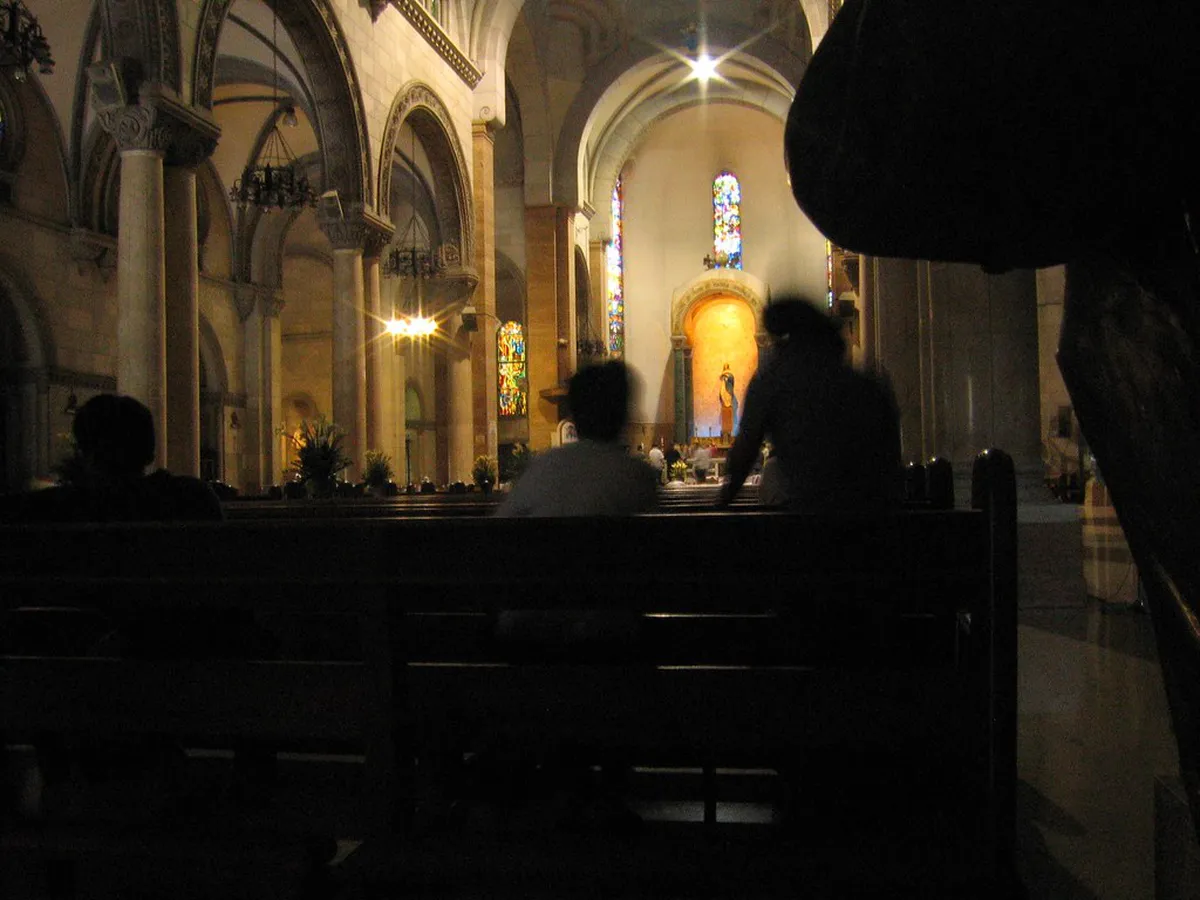
The Cathedral of Saint Francis de Sales holds a truly unique and precious treasure. It contains one of the largest collections of painted architectural illusions in all Europe. The cathedral interior showcases nearly six thousand square meters of expertly painted surfaces today. These impressive works date back to the middle of the nineteenth century for visitors.
Famous artists like Seurat and Vicario were the main creators behind these massive murals. They painted intricate gothic vaults and delicate stone carvings on the ceiling and walls. None of these architectural elements are actually made of real stone or heavy marble. This masterpiece remains a significant highlight of any visit to the Savoie region today.
The sheer scale of the work requires very careful observation from the main floor. You can see how the light interacts with the expertly painted architectural shadows here. This creates a realistic three dimensional effect throughout the entire length of the nave. It serves as a perfect example of nineteenth century artistic skill and mathematical precision.
Walking through the quiet cathedral feels exactly like entering a completely different historical era. The paintings survived numerous historical events and environmental changes over the last two centuries. Today the building remains a focal point for art researchers and curious tourists alike. Experts consider it a pinnacle of religious trompe-l'œil art in the whole world.
Trompe-l'œil in the Private Mansions
The local nobility in Chambéry loved to showcase their wealth through their city homes. They commissioned Italian artists to paint grand facades on their expensive city town houses. These mansions often hide beautiful interior courtyards with many surprising and secret artistic details. Many of these private spaces feature hidden murals and false windows for visual balance.
Some paintings depict large stone balconies that do not actually exist on the building. Others create the clever illusion of expensive red marble or very rare wooden panels. This allowed homeowners to achieve grand designs with significantly less cost than real stone. It also allowed for creative flexibility within the narrow urban spaces of the city.
The Chambéry trompe-l'œil paintings are visible throughout the narrow streets of the old town. You can spot them on the ceilings of many narrow pedestrian passages today. Many are found in the secret courtyards of the most historic center buildings. These details make every walk through the city a small and delightful discovery.
Restoration efforts in 2025 continue to protect these fragile and historic works of art. Professional restorers use traditional pigments to maintain the historical accuracy of the original colors. This ensures that the vibrant colors do not fade away over time for others. Modern technology helps analyze the original brushwork of the old masters very carefully.
The Legacy of Savoyard Architectural Illusion
The history of Italian trompe-l'œil in Savoie remains very much alive in 2025. Modern visitors can still experience the magic of these clever optical tricks and illusions. The art style has become a core part of the identity of Chambéry. It connects the city to its royal past and strong Italian cultural roots today.
Educational programs now teach these classical painting techniques to many new art students here. This helps preserve the specialized knowledge for future generations of talented local artists. You can see modern interpretations in some of the newer urban redevelopment projects nearby. This blend of old and new keeps the local tradition relevant for everyone.
Chambéry hosts regular walking tours focusing on these historical and beautiful painted facades today. Expert guides explain the complex mathematics behind the perfect perspective lines for the visitors. This educational approach helps people appreciate the immense labor involved in every single mural. It transforms a simple city walk into a fascinating art history lesson for families.
The city remains a primary destination for fans of architectural painting from around the world. Its collection is rivaled only by a few major historic cities in modern Italy. Visiting Chambéry offers a rare look at this specific and beautiful artistic cross-pollination. The beauty of Savoie is deeply tied to these ancient and stunning illusions.
Frequently Asked Questions
Why is there so much Italian art in Chambéry?
The House of Savoy ruled both the Savoie region and the Piedmont region together. This created a strong cultural link between Chambéry and Italian cities like Turin. Artists traveled freely between these areas to share their skills and modern styles.
Where is the best place to see trompe-l'œil in Chambéry?
The Cathedral of Saint Francis de Sales is the best place for most visitors. It contains the largest collection of painted architectural illusions in the whole city. You can also find many examples in the narrow streets of the old town.
When were the trompe-l'œil paintings in Savoie created?
Most of the famous paintings were created between the seventeenth and nineteenth centuries. The cathedral murals were finished during the middle of the nineteenth century by Italian masters. Modern restoration projects continue to keep these historic works looking beautiful and fresh.
The history of Italian trompe-l'œil in Savoie is a truly fascinating journey through art. These illusions reflect a period of great cultural and political change in the region. Chambéry offers the best examples of this unique and stunning architectural art style today. Plan your trip to see these works in 2025 to experience the magic yourself.
Key Takeaways
- Italian artists brought trompe-l'œil techniques to Savoie via the House of Savoy.
- The Chambéry Cathedral features one of the largest painted architectural collections in Europe.
- These illusions were used as status symbols in private mansions and public buildings.
- Restoration efforts in 2025 ensure these historical masterpieces remain vibrant for visitors.
Related reads: architecturebycity.com, architecture in chambery.