
Aiguille du Midi 1955 Station History: Chamonix Guide
Learn about the Aiguille du Midi 1955 station history. Discover the architectural engineering of this Chamonix icon and plan your 2025 trip today!
On this page
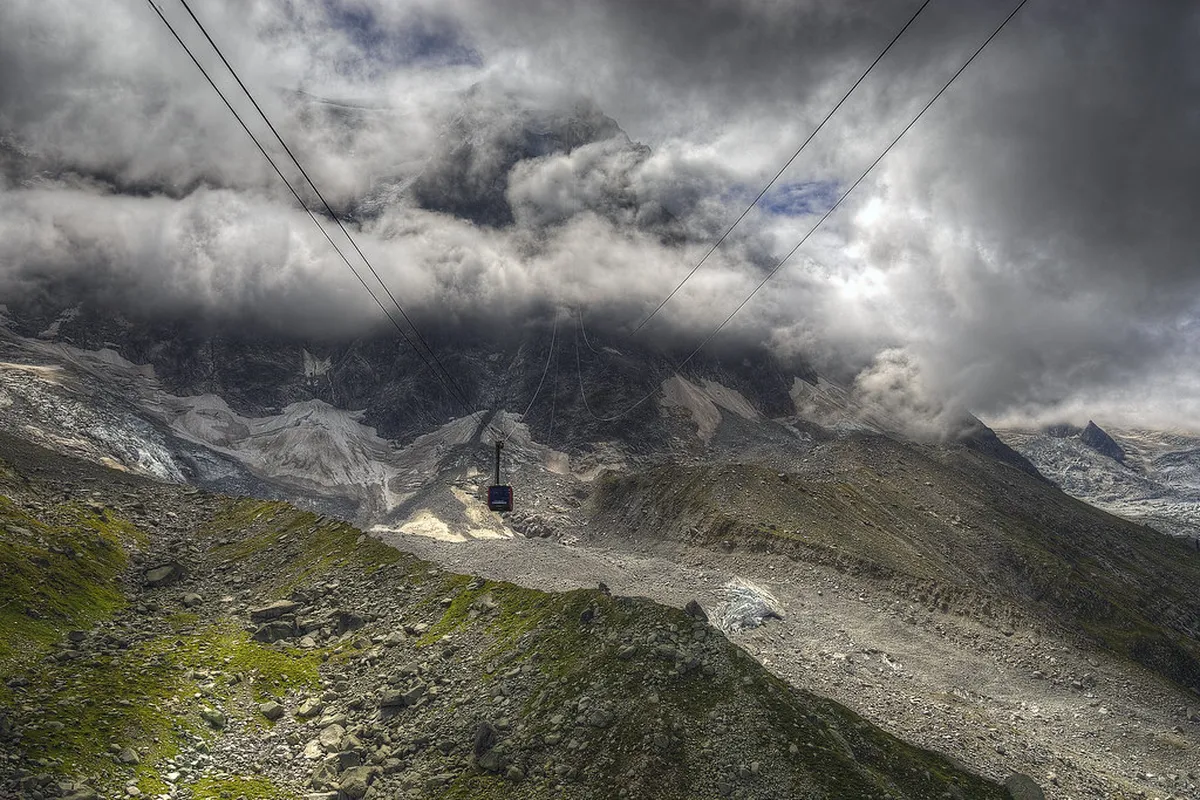
The Aiguille du Midi 1955 station history is a tale of incredible French engineering and bravery. This structure stands as a bold icon in the heart of Chamonix, France. It connects the valley floor to the high alpine world with strong steel cables. Today, travelers can still experience the original mid-century charm of this unique high-altitude structure.
Visitors from all over the world come to marvel at this architectural feat every single year. The station provides a gateway to the Mont Blanc massif and its stunning glacial landscapes. You can feel the history as you step off the cable car at the summit. This site remains a masterpiece of the mid-century architecture in Chamonix and the surrounding region.
Building at such a high elevation required skills that few people possessed in the fifties. The project pushed the limits of what humans could achieve in the harsh alpine environment. It stands at 3,842 meters and offers views that will take your breath away. This overview explores how the station came to be and why it matters today.
Modern tourists enjoy many upgrades that make the visit more comfortable and exciting. However, the core of the experience remains tied to the original 1955 vision. We will look at the people, the materials, and the challenges involved in this project. Join us as we step back in time to explore this French mountain legend.
The Vision Behind the 1955 Station
The vision for the cable car began long before the first stone was ever laid. Count Dino Lora Totino wanted to create a path to the sky for every traveler. He hired the best engineers to solve the problems of working in the high Alps. This dream required immense courage and a deep understanding of the local mountain terrain.
Early attempts to reach the peak started as far back as 1905 with small lifts. However, those early projects failed to reach the very top of the granite needle. The 1955 project was much more ambitious and aimed for the highest point possible. It was designed to show the world the strength of French post-war engineering skills.
Planners spent years studying the rock formations to find the safest anchoring points. They needed to ensure the station could withstand the weight of multiple cable car cabins. The design had to account for heavy snow loads and extreme ice buildup. Every detail was carefully checked to ensure the safety of future mountain visitors.
The project finally received the funding and support it needed in the early 1950s. Construction teams moved into Chamonix to begin the most difficult work of their lives. They lived in small huts on the mountainside to stay close to the site. This dedication was the only way to finish such a complex build in time.
Today, the station serves as a monument to those who dreamed of alpine access. It changed the way people view the high mountains and the sport of climbing. The 1955 opening was a celebration of hope and progress for the whole country. It remains one of the most visited sites in the entire French republic.
The Fascinating Aiguille du Midi 1955 Station History
The official Aiguille du Midi 1955 station history began when the first passengers climbed aboard. The opening ceremony took place in the summer of 1955 after years of hard labor. People were amazed by the speed and height of the new cable car system. It was the highest passenger lift in the world at that specific time.
The construction process involved hundreds of workers and thousands of tons of heavy material. They had to transport everything from the valley floor up to the rocky summit. There were no large helicopters to help move the heavy steel beams in those days. Much of the work was done using temporary cable lines and human strength.
Engineers used a special system of pulleys to drag the main cables up the cliffs. These cables weighed many tons and were miles long in their total reach. The workers had to be very careful not to let the cables slip. A single mistake could have delayed the entire project by several months or years.
The station itself was built using a mix of concrete and strong metal frames. The Aiguille du Midi architectural engineering allowed the building to cling to the steep rock. Workers used hammers and drills to create deep holes for the heavy anchor bolts. This foundation has kept the station secure through many decades of mountain storms.
In the years following the opening, the station became a hub for mountain research. Scientists used the high elevation to study the atmosphere and cosmic rays. The building was more than just a tourist stop; it was a lab. This dual purpose helped the site maintain its importance throughout the twentieth century.
Overcoming High Altitude Building Challenges
Managing the various high altitude building challenges was a daily struggle for the builders. The air at 3,842 meters is very thin and makes physical work much harder. Workers often suffered from altitude sickness and extreme fatigue during their long shifts. They had to take frequent breaks to recover their strength in the cold.
The weather on the Aiguille du Midi can change from sun to storm in minutes. Builders faced winds that could reach over one hundred miles per hour during the winter. They had to secure all their tools and materials to prevent them from blowing away. Many work days were lost to heavy snow and thick mountain clouds.
Safety was a constant concern for the foremen overseeing the dangerous construction site. Workers wore heavy boots and warm wool clothing to protect themselves from the frost. They used ropes and harnesses to stay safe while working on the edge of cliffs. No major accidents occurred during the most difficult phases of the construction process.
Materials like cement had to be mixed with special chemicals to prevent freezing. The water for the concrete was often heated before it was poured into the molds. This allowed the structures to set properly even in the cold mountain air. These techniques were very advanced for the time and showed great engineering skill.
Communication between the summit and the valley was also a very big technical hurdle. They used basic radios and hand signals to coordinate the movement of the supply cables. Despite these limits, the team worked together with incredible precision and focus. Their success proved that humans could build almost anywhere on the planet.
Labor and Human Effort on the Mountain
The human story of the station is just as impressive as the engineering details. Most of the workers came from the local valley or from neighboring Italy. They were experienced woodsmen, guides, and stonemasons who knew the mountains very well. These men respected the peak but were not afraid of its many dangers.
During the busiest months, over thirty men would pull a single cable by hand. They walked in a line, carrying the heavy weight on their strong shoulders. This task took days of constant effort to reach the required height. It is hard to imagine such physical labor in our modern world today.
Life in the high-altitude camps was simple and very tough for the construction crews. They ate hearty meals of bread, cheese, and dried meats to keep their energy. Sleeping quarters were small and often quite cold during the long alpine nights. However, a strong sense of pride kept the men motivated to finish.
The foremen were respected for their ability to lead in such a high-pressure environment. They had to make quick decisions when the weather turned bad or equipment broke. Their leadership ensured that the project stayed on schedule through the early fifties. Many of these men became local heroes in Chamonix after the project ended.
The legacy of these workers lives on in every bolt and beam of the station. We can see their craftsmanship in the way the stone walls fit together perfectly. They built something that was meant to last for a very long time. Visitors in 2025 should take a moment to honor their incredible hard work.
Modern Tourism and Visiting Tips for 2025
Visiting the Aiguille du Midi in 2025 is an experience you will never forget. The cable car leaves from the center of Chamonix every fifteen to thirty minutes. You should buy your tickets online to avoid the long lines at the ticket office. The cost for a round trip is approximately 75 Euros for an adult.
The ride to the top takes about twenty minutes and is divided into two stages. You will first arrive at the Plan de l'Aiguille at 2,317 meters elevation. From there, you take a second car that goes straight up the final cliff. This second leg of the journey is the most exciting part for many.
Once you reach the summit, you can explore several different terraces and viewing decks. There is a museum that explains more about the history of the cable car system. You can also walk through a tunnel carved directly into the solid mountain rock. Do not miss the famous "Step into the Void" glass box experience.
Make sure to bring very warm clothes even if it is summer in the valley. The temperature at the top can be twenty degrees colder than in the town. Sunscreen and sunglasses are also vital because the alpine sun is very strong. Stay hydrated to help your body adjust to the high altitude more easily.
The station is usually open from 8:10 AM until around 4:30 PM each day. Always check the weather forecast before you leave your hotel in the morning. High winds or heavy clouds can cause the cable car to close for safety. Planning ahead will ensure you have the best possible time on the mountain.
Frequently Asked Questions
Why is the 1955 station famous?
The 1955 station is famous because it was the highest cable car in the world. It showed that humans could build permanent structures at extreme alpine heights. The site remains a major landmark for engineering and mountain tourism today.
How long did it take to build the station?
The main construction of the current station took about four years to complete. Workers labored through difficult conditions between 1951 and the summer of 1955. This timeline was very fast considering the high altitude and lack of modern tools.
Is the 1955 station safe to visit in 2025?
Yes, the station is very safe because it undergoes rigorous maintenance checks every single year. The cables and cabins are replaced regularly to meet the highest safety standards. Modern technology has improved the original 1955 design for better security.
What is the best time for a visit?
The best time to visit is early in the morning when the skies are clear. Summer offers the most comfortable temperatures, but winter provides beautiful snow-covered peaks. Always check the live webcam before you buy your tickets for the day.
The Aiguille du Midi 1955 station history is a testament to human ambition and skill. This amazing structure continues to inspire everyone who makes the journey to the summit. It bridges the gap between the past and the modern world of mountain travel. Plan your 2025 trip to Chamonix to see this architectural wonder for yourself today.
Key Takeaways
- The station opened in 1955 as the highest cable car in the world.
- Construction required workers to carry massive cables up the mountain by hand.
- The site stands at 3,842 meters and requires warm clothing even in summer.
- Booking tickets online for 2025 helps you avoid long wait times in Chamonix.
Related reads: architecturebycity.com, step into the void glass construction, belle epoque hotels in chamonix.