
Grand Hotel du Montenvers Architecture: A Timeless Icon
Discover the Grand Hotel du Montenvers architecture in Chamonix. Explore 2025 high altitude refuges design and historical Alpine engineering. Read more now!
On this page
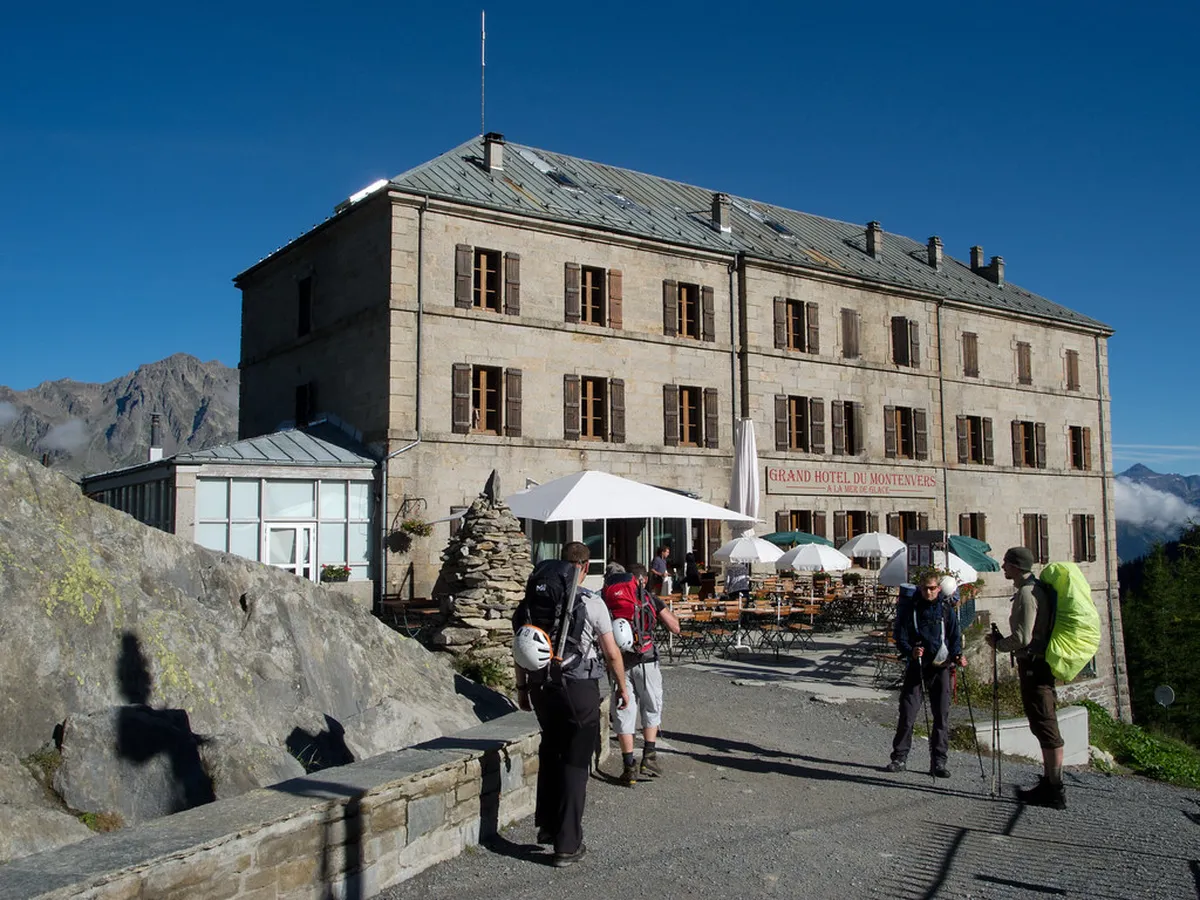
The Grand Hotel du Montenvers architecture stands as a historic monument in the French Alps. Built in 1880, this structure defines the golden age of early Alpine exploration. It overlooks the famous Mer de Glace glacier near the mountain city of Chamonix. Travelers today still admire its sturdy granite walls and its timeless Belle Époque charm.
This iconic building served as a luxury refuge for early mountain adventurers exploring the high peaks. Designers focused on durability while maintaining high aesthetic standards for their wealthy European guests. You can see how the structure resists extreme temperatures and heavy winter snow loads. This hotel remains a central piece of architecture in Chamonix history.
Origins of High Altitude Refuges Design
High altitude construction required specialized knowledge of local materials and the volatile mountain weather. Early builders used thick stones to protect guests from the freezing elements and high winds. The Grand Hotel du Montenvers architecture utilized these traditional methods with an elegant nineteenth-century flair. It successfully transformed the concept of a simple mountain hut into something truly grand.
Architects had to consider the difficult transport of materials to such high mountain elevations. Most stones were quarried directly from the surrounding mountain slopes in the Chamonix valley. This reduced the logistical burden of hauling heavy supplies up the steep and dangerous peaks. The final result was a structure that blended perfectly with the natural gray landscape.
The design philosophy balanced structural safety with the specific needs of wealthy Victorian era tourists. These visitors expected refined comfort even while they were exploring the dangerous Mer de Glace glacier. Sturdy wooden beams supported the heavy roofs against the massive weight of winter snow. This approach set a new standard for high altitude refuges design in France.
Looking at the hotel today reveals the great ingenuity of nineteenth-century French mountain engineers. They built a foundation that could withstand shifting soil and the deep freezing of the ground. Every corner of the building shows a deep respect for the surrounding high mountain environment. This site remains a vital example of successful high-altitude building techniques in 2025.
Belle Époque Style in the High Alps
The hotel reflects the elegance of Belle Époque hotels in Chamonix from that legendary era. Designers included decorative flourishes that were once uncommon in standard and basic mountain refuges. Intricate woodwork and refined masonry highlight the prestige of this very famous historic location. These details remind modern visitors of a more formal time in international travel history.
The interior layout promotes a strong sense of warmth and community for the overnight guests. Large fireplaces served as the heart of the social areas during the cold Alpine nights. High ceilings created an airy atmosphere despite the massive and thick stone exterior walls. Such features were revolutionary for buildings located at this extreme and difficult altitude.
Architects chose specific colors to complement the dark grey granite and the white winter snow. Muted tones inside allow the vibrant mountain landscape outside to take the center stage. Every window serves as a beautifully framed painting of the dramatic and jagged alpine scenery. This visual connection to nature is a hallmark of the hotel’s original design.
The balance between luxury and ruggedness is what makes this specific hotel so unique today. It offers a refined experience without losing its identity as a protective mountain shelter. Visitors in 2025 can still feel the historical importance of every well-preserved room. The structure stands as a testament to French architectural excellence and long-term vision.
Engineering the Granite Fortress at Montenvers
Builders faced immense pressure to finish the construction before the harsh winter season began. Working at 1,913 meters meant the construction window was very short each calendar year. Teams of skilled laborers carved the granite blocks by hand on the steep mountainside. This manual labor ensured the quality and the precision of the hotel’s ancient masonry.
The steep terrain required a clever approach to building the hotel’s main stone foundation. Engineers anchored the structure into the solid rock to prevent any potential downhill sliding. This stability has kept the hotel safe for over one hundred and forty years. It demonstrates a mastery of geology and structural engineering in very harsh climates.
Sloping roof angles allow heavy snow to slide off before it causes structural damage. The weight of the snow could otherwise easily crush a standard and weak residential roof. Metal reinforcements were likely added during later renovations to improve the overall safety for guests. These technical choices were essential for the survival of the Grand Hotel du Montenvers architecture.
Maintenance of such a building requires constant attention from highly skilled French mountain craftsmen. The masonry needs regular repointing to keep moisture from cracking the ancient granite stones. Every modern update respects the original design to preserve the historical integrity of the site. This dedication ensures the hotel will stand for many more future generations.
The Impact of the Montenvers Railway
The completion of the rack railway in 1908 changed everything for the high altitude hotel. Before the train, guests had to arrive on mules or by walking up the trail. This railway allowed for more building materials to reach the construction site during later expansions. The red train is now an iconic part of the Montenvers architectural experience.
The station design complements the hotel with its own stone and dark wood elements. Together, they create a cohesive architectural ensemble at the very edge of the glacier. Engineers had to carve deep tunnels through solid rock to reach this high scenic point. This feat of engineering remains impressive to visitors from all over the world today.
Tourism numbers increased dramatically once the train made the journey easier for the general public. The hotel had to expand its capacity to house the growing number of eager visitors. These additions were carefully matched to the original 1880 stone design and Victorian style. You can see the seamless transition between the different phases of construction today.
The train station provides a perfect viewing platform for the hotel’s massive and gray facade. From a distance, the building looks like a natural extension of the rocky mountain cliffs. It sits perched on a narrow ledge overlooking the vast sea of ice below. This dramatic positioning is a key element of its lasting architectural appeal.
Frequently Asked Questions
When was the Grand Hotel du Montenvers built?
The hotel was constructed in 1880 during the peak of early Alpine tourism. It was designed to provide luxury accommodation for explorers visiting the Mer de Glace. The structure has survived for over a century due to its thick granite walls.
What style is the Grand Hotel du Montenvers architecture?
The building features a classic Belle Époque style adapted for high-altitude mountain environments. It uses local granite and timber to blend with the natural surroundings of Chamonix. The design prioritizes durability against extreme weather while maintaining an elegant French aesthetic.
Is the Grand Hotel du Montenvers open in 2025?
Yes, the hotel remains a popular destination for travelers visiting Chamonix in 2025. You can reach the site via the famous Montenvers rack railway from the town center. The hotel offers both dining and overnight stays in its historic rooms.
The Grand Hotel du Montenvers architecture is a masterpiece of historical mountain engineering and design. It continues to inspire architects and travelers with its rugged beauty and refined interiors. Plan your visit in 2025 to experience this piece of French history in person. You can book your stay through the official Chamonix tourism website today.
Key Takeaways
- The hotel was built in 1880 using local granite for maximum durability.
- It reflects the Belle Époque architectural style with traditional mountain materials.
- The structure is a prime example of successful nineteenth-century high altitude design.
Related reads: architecturebycity.com, refuge du gouter spherical architecture.