
Refuge du Goûter Spherical Architecture in France
Explore the Refuge du Goûter spherical architecture in 2025. Learn about high altitude refuges design and innovation in Chamonix. Book your tour today!
On this page
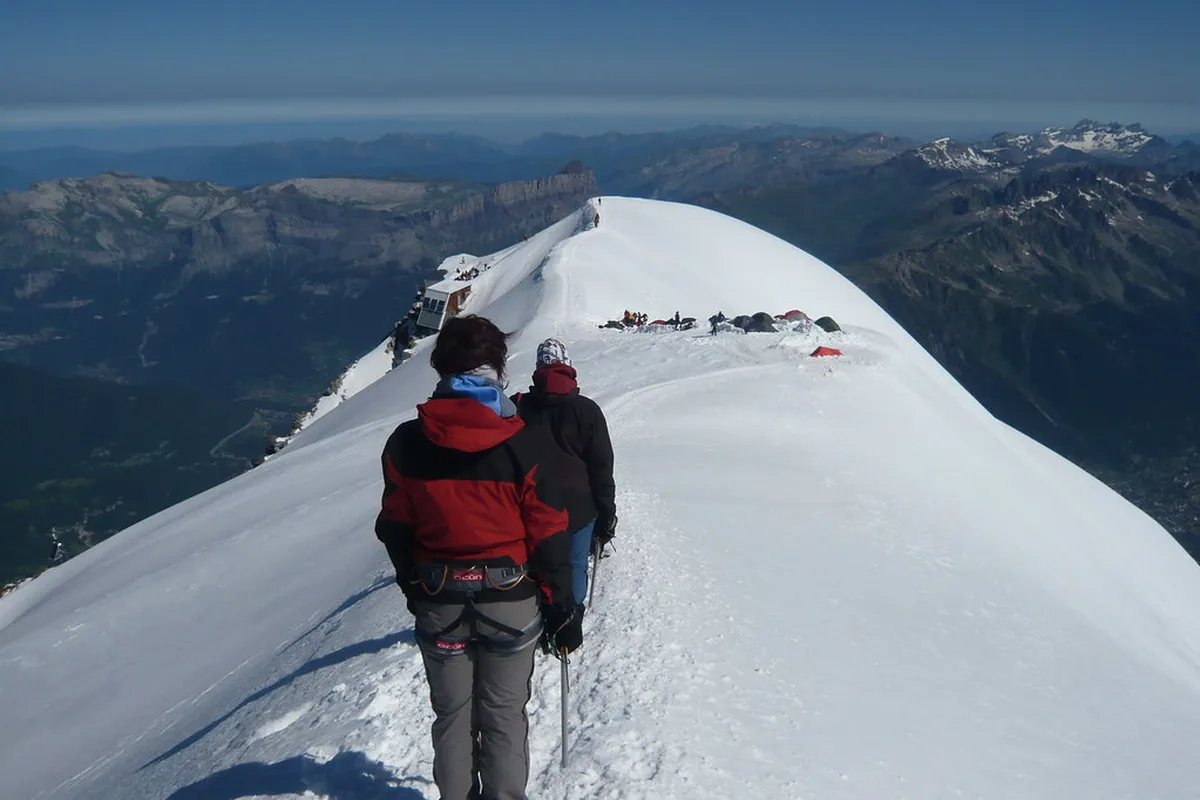
The Refuge du Goûter spherical architecture is a masterpiece of modern design located high in the French Alps near Chamonix. This incredible structure sits on a narrow ridge overlooking the vast glaciers of the Mont Blanc massif in France. It provides a safe and warm shelter for hundreds of climbers attempting to reach the summit of the mountain. The building stands as a symbol of human innovation in one of the most hostile environments on our planet.
In 2025, this refuge continues to attract architectural enthusiasts and professional mountain climbers from all over the world. Its unique shape and sustainable features make it a leading example of modern mountain architecture and environmental care. The hut replaced an older structure that could no longer handle the growing number of hikers and climbers. Today, it offers a blend of safety and comfort that was once thought impossible at such high altitudes.
Innovating with Refuge du Goûter Spherical Architecture
The Refuge du Goûter spherical architecture was specifically designed to withstand the brutal winds of the high alpine region. Designers chose an ovoid shape because it offers the least amount of resistance to powerful mountain gusts. This aerodynamic form allows the structure to survive wind speeds that frequently reach over 300 kilometers per hour. The smooth exterior prevents the buildup of dangerous snow drifts against the main walls of the refuge.
The building consists of four distinct levels that provide sleeping quarters and common areas for tired alpine climbers. Each floor is carefully planned to use the available space in the most efficient way possible for guests. Large panoramic windows offer stunning views of the surrounding peaks while allowing natural sunlight to heat the interior. The combination of steel and wood creates a structure that is both incredibly strong and surprisingly lightweight.
Construction workers faced massive challenges while building this innovative structure at an elevation of 3,835 meters high. Helicopters transported every single piece of material from the valley floor up to the narrow construction site. The process required perfect weather conditions and precise engineering to ensure the safety of the entire building crew. This project remains a landmark achievement for the architects and engineers who worked in the Chamonix Valley.
Visitors often compare the silver structure to a futuristic research station or a spacecraft landed on a snowy ridge. The stainless steel facade reflects the changing colors of the sky and the white snow of the glaciers. This design choice helps the building blend into the high-altitude landscape while maintaining a very modern aesthetic. It serves as a reminder that architectural beauty can exist even in the most extreme natural environments.
High Altitude Refuges Design and Materials
The evolution of high altitude refuges design reached a new peak with the completion of the Goûter hut. Modern materials like high-grade stainless steel and local spruce wood provide the necessary durability for the structure. The outer shell acts as a protective shield against the freezing temperatures and abrasive ice crystals in the air. Inside, the timber frame offers a warm and welcoming atmosphere that contrasts with the cold mountain world.
The engineering team used advanced computer modeling to predict how the building would behave in extreme alpine storms. These simulations helped determine the exact placement of the steel plates that cover the exterior of the hut. Each plate was cut with extreme precision to ensure a perfectly airtight seal for the entire building. This level of detail is necessary to keep the heat inside and the freezing wind outside.
Sound insulation is another critical part of the design for a building that houses over one hundred people. The thick walls and triple-glazed windows keep the noise of the wind from disturbing the sleeping mountaineers. This allows climbers to get the rest they need before making their final push to the snowy summit. Comfort and functionality work together to create a space that is both practical and very pleasant to inhabit.
- Triple-glazed windows provide excellent thermal insulation while offering clear views of the majestic Mont Blanc massif.
- The stainless steel exterior shell requires very little maintenance despite the constant exposure to the harsh elements.
- A wooden interior frame creates a cozy environment that helps to regulate the humidity levels inside the hut.
In 2025, the hut serves as a model for future construction projects in other mountain ranges around the world. Architects visit Chamonix to study how the building handles the stresses of high altitude and heavy visitor traffic. The success of this design has led to new ideas for shelters in the Himalayas and the Andes. It proves that modern technology can solve the oldest problems faced by mountain travelers and alpine guides.
Sustainable Mountain Construction Chamonix Features
The hut is a leading example of sustainable mountain construction Chamonix experts promote to protect the fragile alpine ecosystem. It operates with a very small carbon footprint despite the large number of people who visit every season. Energy is generated on-site using a combination of solar panels and high-efficiency wind turbines installed nearby. This reduces the need for expensive and polluting fuel deliveries by helicopter from the valley below.
Water management is another area where the refuge shows incredible innovation for the benefit of the local environment. A specialized snow melter uses thermal energy from the sun to provide fresh water for drinking and cleaning. This system eliminates the need to transport water up the mountain or use chemical treatments for the supply. Waste water is treated using an advanced biological system that prevents any pollution from entering the mountain soil.
The architects used local materials whenever possible to reduce the energy required for transport during the construction phase. Most of the wood used in the interior comes from forests located in the surrounding regions of France. This choice supports the local economy and ensures the building has a natural connection to its specific location. Sustainability was a core requirement from the very beginning of the planning process for this unique project.
Even the waste management system is designed to be as efficient and clean as the rest of the building. All non-biological waste is compressed and flown back down to the valley for proper recycling and disposal. This practice ensures that the mountain stays clean for future generations of climbers and nature lovers to enjoy. The refuge demonstrates that human comfort does not have to come at the expense of the natural world.
Engineering Challenges on the Goûter Ridge
Building a structure of this size on a narrow rocky ridge required unprecedented levels of logistical planning and skill. The foundation is anchored deep into the granite rock to prevent any movement during heavy snow or earthquakes. This structural stability is essential for a building that sits on the edge of a massive vertical drop. The success of this project mirrors the feats seen in Aiguille du Midi architectural engineering across the valley.
The construction schedule was limited to the short summer months when the weather is relatively stable and predictable. Workers had to deal with low oxygen levels and freezing temperatures even during the middle of the day. Every hour of work was precious and required perfect coordination between the ground crew and the helicopter pilots. The result is a building that stands as a monument to human persistence and technical ability in 2025.
The interior layout optimizes the flow of people to prevent crowding in the hallways and common eating areas. Boot rooms and gear storage are located on the ground floor to keep the sleeping areas clean and dry. This logical organization is vital when more than one hundred people are preparing for an early morning climb. The architects considered every small detail of the climber's daily routine when they designed the floor plan.
Fire safety is a top priority for any building made primarily of wood in such a remote location. The refuge features advanced detection systems and automated suppression tools to protect the lives of the guests inside. Emergency exits are clearly marked and easily accessible from every part of the four-story ovoid structure. These safety measures ensure that everyone can rest easy knowing they are in one of the safest huts.
Frequently Asked Questions
How high is the Refuge du Goûter in Chamonix?
The refuge is located at an altitude of 3,835 meters on the Goûter ridge of Mont Blanc. It is one of the highest mountain huts in the entire European Alpine region today.
Do I need a reservation to stay at the refuge?
Yes, reservations are absolutely mandatory for all visitors who wish to spend the night at the hut. In 2025, you must book your bed online several months in advance to secure a spot.
What makes the architecture of the hut unique?
The hut features a distinctive ovoid or spherical shape designed to resist extreme winds and heavy snow. It uses stainless steel and wood to create a highly sustainable and durable mountain shelter.
The Refuge du Goûter spherical architecture remains one of the most impressive building projects in the history of Chamonix. It combines modern technology with a deep respect for the natural beauty of the French Alps. Whether you are a climber or an architecture fan, this structure is a must-see landmark in 2025. Plan your next visit to the mountains and witness this incredible engineering marvel with your own eyes today.
Key Takeaways
- The ovoid shape protects the structure from winds exceeding 300 km/h.
- The refuge is a model of sustainability using solar power and snow melting.
- It sits at 3,835 meters and requires mandatory reservations for all guests.
Related reads: architecturebycity.com, architecture in chamonix, grand hotel du montenvers architecture.