
Ancien Eveche Architecture: A Chartres Palace Guide
Discover the stunning Ancien Eveche architecture in Chartres, France. Explore this historic bishop's palace today and see its 2025 exhibits.
On this page
The Ancien Eveche architecture in Chartres reflects centuries of religious history and power. This former bishop's palace sits directly behind the world-famous cathedral in the historic upper city. It provides a peaceful escape from the busy city streets for travelers today. Modern visitors can explore these historic grounds throughout the 2025 travel season. This complex remains a central pillar of the broader landscape of architecture in Chartres.
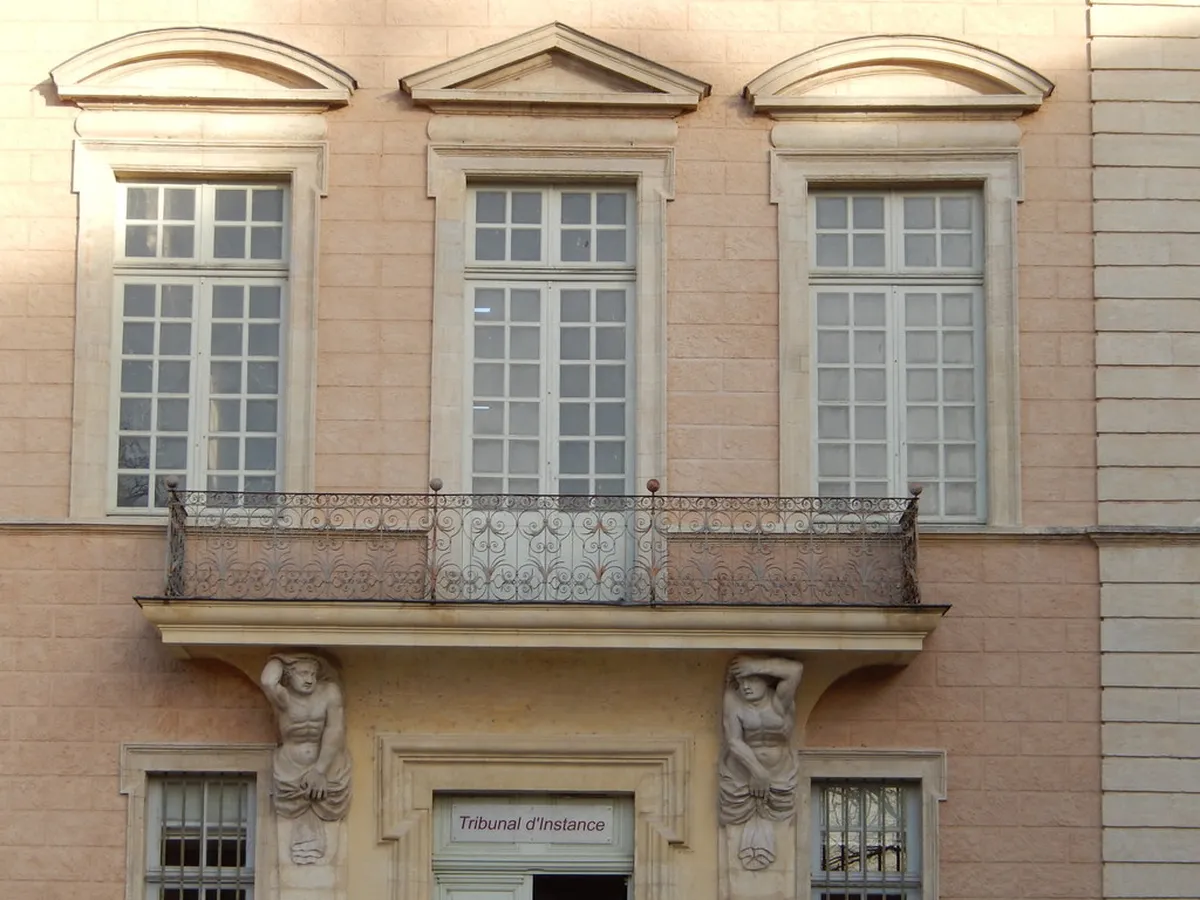
The palace buildings showcase a transition from medieval fortifications to elegant residential spaces. Architects designed the main wings to reflect the high status of local bishops. You will find intricate stone details across the expansive facade of the building. The site now serves as a museum dedicated to fine arts and local history. It is an essential stop for anyone visiting the Eure-et-Loir region of France.
Walking through the gates feels like stepping back into a different era of French history. The palace overlooks the scenic Eure valley and the lower town areas. Its massive stone walls represent the endurance of the Catholic Church in this region. You can enjoy the harmony between the palace and the nearby religious monuments. This guide explores the unique design elements that make this landmark so special.
Historical Origins of the Bishop's Palace
The history of the bishop's palace begins long before the current structures were built. Early records suggest a religious residence existed here as early as the eleventh century. However, most of the standing Ancien Eveche architecture dates from the seventeenth century. These buildings replaced older medieval structures that had fallen into deep disrepair. The new design focused on symmetry and grandeur to impress visiting dignitaries.
Construction continued into the eighteenth century to complete the main residential wings. Famous bishops commissioned the best local stonemasons to carve the exterior decorations. They wanted a home that matched the glory of the high Gothic architecture of Chartres Cathedral nearby. This period of construction established the palace as a major administrative center. It served as the heart of religious governance for the entire diocese.
The French Revolution brought significant changes to the palace and its various functions. Government officials seized the property and converted it for secular use during the 1790s. Many original furnishings and religious symbols were removed or destroyed during this time. Despite these upheavals, the core architectural shell of the palace remained remarkably intact. This survival allows us to study the original proportions of the building today.
In the nineteenth century, the building returned to the church for a brief period. Restoration efforts focused on repairing the damage caused during the revolutionary years. Architects worked to preserve the classical French style that defined the palace exterior. They used traditional techniques to maintain the integrity of the historic limestone walls. These efforts saved the landmark for future generations of art and history lovers.
Today, the palace serves as the Musee des Beaux-Arts for the city of Chartres. The city took control of the site to house its growing art collection. This transition ensured the continued maintenance of the historic Ancien Eveche architecture. You can now walk through the same halls where bishops once lived and worked. The building remains a living monument to the city's complex historical narrative.
Key Features of Ancien Eveche Architecture
The Ancien Eveche architecture follows the principles of classical French design very closely. You will notice the strict symmetry of the windows and the central entrance. The facade features horizontal lines that create a sense of stability and permanence. Large rectangular windows allow plenty of light into the grand interior reception rooms. These features are typical of the noble residences built during the Bourbon era.
Local limestone is the primary material used for the massive walls of the palace. This stone comes from nearby quarries and ages to a warm, golden hue. Skilled carvers added subtle decorations to the window frames and the main cornices. You should look for the sculpted crests that once identified the resident bishops. These small details provide clues about the specific eras of building construction.
The roofs of the palace wings are steep and covered in traditional slate tiles. This design helps to shed the rain and snow common in northern France. Tall stone chimneys punctuate the roofline, adding to the vertical interest of the building. This style contrasts beautifully with the soaring spires of the cathedral just steps away. The architectural dialogue between these two buildings defines the skyline of the city.
Internal courtyards provide a sense of privacy and light for the various palace wings. These spaces were originally designed for the arrival of horse-drawn carriages and guests. The cobblestone paving remains a feature of these historic entry points today. Heavy wooden doors with iron hardware guard the entrances to the main museum galleries. These elements showcase the high level of craftsmanship available to the bishops.
- Classical limestone facades with symmetrical window placements.
- Steep slate roofs with decorative stone chimneys.
- Grand reception halls with high ceilings and tall windows.
- Private interior courtyards for carriage access and guest arrival.
The Interior Transformation into a Museum
The transition to a museum required careful changes to the interior palace layout. Designers had to balance modern exhibit needs with the preservation of historic rooms. You can still see the original Musee des Beaux-Arts interior architecture in many galleries. The grand staircase remains one of the most impressive features of the entire building. It features a sweeping design that showcases the wealth of the former residents.
Many rooms still feature the original wood paneling from the eighteenth century. These ornate carvings depict floral motifs and classical symbols of wisdom and power. Restoration teams worked for years to clean and stabilize these delicate wooden surfaces. The result is a warm and inviting atmosphere for viewing the museum's art. Visitors can experience the luxury of a bishop's residence while admiring historic paintings.
The museum collection includes a wide range of European art and local artifacts. You will find works by famous painters like Fragonard and Zurbaran in the galleries. The high ceilings of the palace rooms are perfect for displaying large-scale tapestries. These textile works often depict biblical scenes or historical events from the French monarchy. Each room tells a different story about the cultural history of Chartres.
Modern lighting and climate control systems are hidden behind the historic walls today. These upgrades protect the fragile artworks from humidity and damaging UV light. Engineers faced many challenges while installing these systems in the old stone structure. They had to ensure that the Ancien Eveche architecture was not compromised. This careful work allows the museum to host international loans from major galleries.
One highlight of the interior is the old chapel used by the bishops. It features delicate plasterwork and religious symbols that survived the revolutionary period. The acoustics in this small space are excellent for choral music and quiet reflection. It serves as a reminder of the building's original spiritual purpose. You should spend a few minutes here to appreciate the craftsmanship of the vaulting.
Courtyard and Garden Design Elements
The outdoor spaces are just as important as the palace buildings themselves. A wide courtyard welcomes visitors as they approach from the cathedral square. This space was designed to handle large crowds during important religious festivals. The Bishop's Palace courtyard design emphasizes the central axis of the main wing. It creates a formal and imposing entrance for all who visit the site.
Beyond the palace wings, you will find beautiful terraced gardens overlooking the river. These gardens offer a spectacular view of the surrounding Eure River valley below. Visitors can relax on the stone terraces while admiring the manicured boxwood hedges. These green spaces provide a stark contrast to the heavy stone of the palace. It is the perfect spot for photography during the 2025 summer season.
The gardens also feature a unique labyrinth designed for meditative walking paths. This modern addition honors the famous labyrinth located inside the nearby cathedral floor. It allows visitors to enjoy a similar spiritual experience in the open air. The paths are lined with seasonal flowers and ancient trees that provide cool shade. This area is free to enter for those who wish to enjoy the views.
The retaining walls of the garden are part of the city's old fortifications. You can see the remnants of medieval towers integrated into the palace grounds. This layer of history adds a rugged charm to the elegant classical gardens. Architects used these existing structures to create the dramatic changes in elevation. This clever use of the terrain makes the palace site truly unique.
Insider Tip: Visit the gardens in the late afternoon for the best light. The sun hits the cathedral spires and the palace walls at a perfect angle. You can see the textures of the limestone very clearly during this time. It is often much quieter once the large tour groups have departed the city. This provides a more intimate experience with the historic architecture.
Planning Your 2025 Visit to the Palace
The museum and gardens are open to the public throughout the entire year. Most visitors arrive during the peak summer months between June and August. However, spring and fall offer milder weather and much smaller tourist crowds. You should check the official website for current opening hours before your trip. The museum typically closes on Tuesdays and certain French national holidays during 2025.
Ticket prices remain affordable for families and solo travelers visiting the region. A standard adult ticket usually costs around seven euros for the main museum. Children and students often receive significant discounts or free entry with a valid ID. The gardens are generally free to explore without a museum ticket purchase. This makes the site a great value for those on a tight budget.
Accessibility has improved in recent years with the addition of modern elevator systems. Most of the ground floor and main galleries are now wheelchair accessible. However, some of the older basement areas may still have steep stone stairs. You should contact the museum staff in advance if you have specific mobility needs. They are very helpful and can provide guidance on the best entry routes.
Combine your visit with one of the many architectural walking tours of Chartres available locally. These tours provide deep context for the Ancien Eveche architecture and the cathedral. You will learn about the master builders who shaped the city over eight centuries. Many tours start right in the courtyard of the bishop's palace. This is a great way to see the city's hidden architectural gems.
The palace is located just a short walk from the main train station. You can reach Chartres from Paris in about one hour by regional train. This makes the bishop's palace an excellent choice for a day trip. There are many charming cafes and restaurants located near the palace gates. Enjoy a local meal after exploring the rich history of the bishop's residence.
Frequently Asked Questions
What is the best time to see the Ancien Eveche architecture?
The best time to visit is during the late spring or early autumn. You will enjoy pleasant weather and fewer crowds in the gardens. The palace facade looks most beautiful during the golden hour before sunset. Check the 2025 schedule for special evening events and light shows.
How much does it cost to visit the Bishop's Palace museum?
Standard admission for adults is approximately seven euros in 2025. Students and children often get into the galleries for a reduced price. Access to the historic gardens is usually free for all visitors. It is one of the most affordable historic sites in the city center.
Is the Ancien Eveche architecture accessible for disabled visitors?
Yes, the museum has installed elevators to help visitors reach the main floors. Most of the public galleries are accessible for those using wheelchairs or strollers. Some historic basement sections may still require climbing original stone steps. Staff members are available to assist with specific accessibility questions at the entrance.
Can I take photos inside the former bishop's palace?
Photography is generally allowed in the permanent collection galleries without using a flash. Some special temporary exhibits may have stricter rules regarding cameras and phones. Always check the signs at the entrance of each room for specific rules. The outdoor gardens are a fantastic place for taking panoramic photos of the city.
The Ancien Eveche architecture stands as a magnificent example of French classical design. It bridges the gap between the religious power of the past and the art of today. Visitors can explore grand halls, peaceful gardens, and world-class art within these historic walls. Make sure to include this landmark on your itinerary for your next trip to Chartres. It offers a deeper look at the history of this beautiful French city. Experience the elegance of the former bishop's palace during your 2025 European vacation.
Key Takeaways
- The palace showcases a blend of 17th and 18th-century classical French architecture.
- It currently houses the Musee des Beaux-Arts with a diverse collection of European art.
- The terraced gardens offer some of the best views of the Eure River valley.
- The site is located conveniently right next to the famous Chartres Cathedral.
- Entry fees are affordable, and the gardens are typically free to the public.
Related reads: architecturebycity.com, chartres cathedral royal portal sculptures, maison picassiette mosaic architecture.