
Alsatian Timber Framing Techniques in Colmar
Learn about Alsatian timber framing techniques in Colmar. This 2025 guide covers historic construction secrets and house styles. Explore Colmar now!
On this page
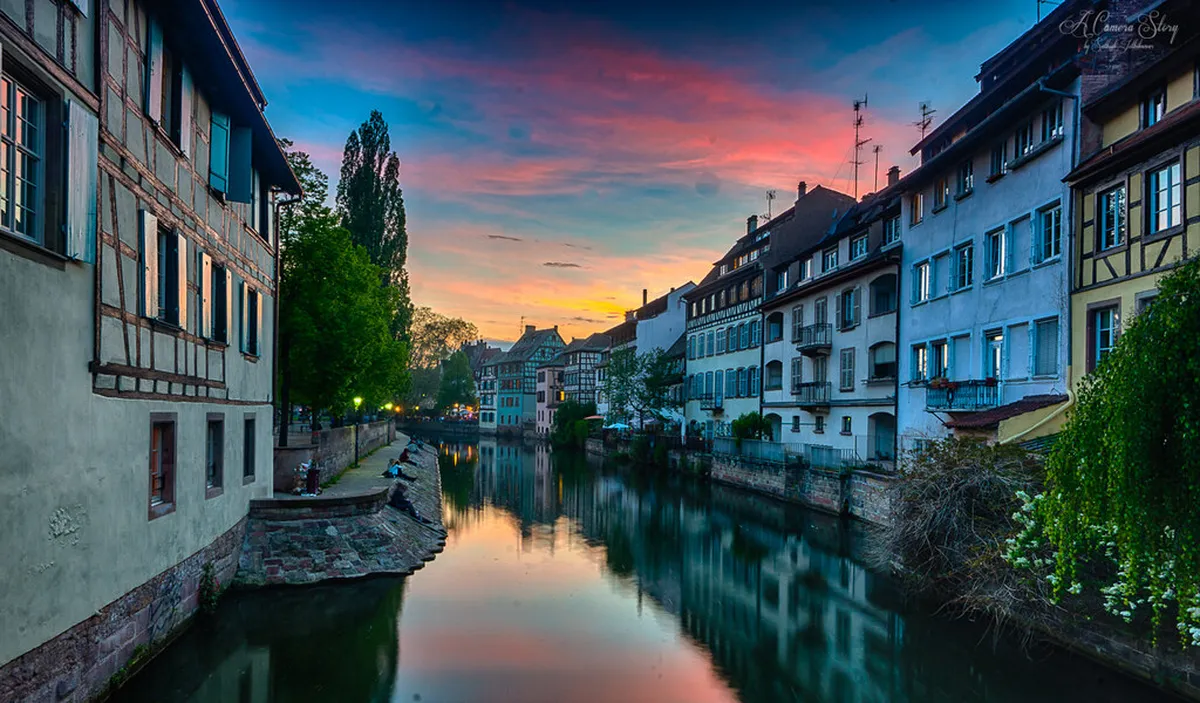
Colmar is a stunning city located in the heart of the Alsace region. It is famous for its colorful streets and historical charm. Visitors often marvel at the complex Alsatian timber framing techniques used here. These methods have protected the city for many hundreds of years. In 2025, these buildings remain a testament to ancient skill. You can see these structures on a Colmar architecture walking tour through the old town.
The engineering behind these houses is both simple and very effective. Builders used local materials to create frames that could last forever. This style of building is a core part of local culture. It defines the unique look of the entire Alsatian landscape. Understanding these techniques helps you appreciate the beauty of France more. This guide will explore the technical details of these historic homes.
The History of Alsatian Wood Frameworks
The history of timber framing in Colmar stretches back to the Middle Ages. Master carpenters developed specific Alsatian timber framing techniques to handle the local climate. They needed structures that were flexible yet very strong and durable. Wood was the most available resource in the nearby Vosges forests. These early builders created a legacy that still stands tall today.
During the Renaissance, these building methods became even more complex and decorative. Houses grew taller and more ornate as the city became wealthier. The carpenters added intricate carvings and symbols to the wooden beams themselves. Each beam served a structural purpose while also showing off social status. You can find many examples of this in the historic center.
By the 17th century, the techniques reached their peak of technical sophistication. Builders focused on creating steep roofs to shed heavy winter snow quickly. They also utilized vertical posts to support multiple floors of living space. This allowed for more density within the protected city walls of Colmar. These historical layers make the urban layout of Colmar very special.
In 2025, historians still study these frames to learn about past lives. The survival of these houses proves the high quality of the original work. Even with modern technology, these ancient methods remain incredibly impressive to see. They represent a deep connection between the people and their natural environment.
Wood Selection and Material Sourcing
The choice of wood was critical for successful Alsatian timber framing techniques. Most builders preferred oak for the main structural posts and heavy beams. Oak is naturally resistant to rot and can support massive amounts of weight. It was harvested during the winter months when the sap was lowest. This careful timing ensured the wood would not warp or crack.
For the secondary beams, carpenters often used silver fir or spruce trees. These softwoods were lighter and easier to shape for less critical joints. They were also more affordable for the average citizen in old Colmar. Combining different wood types allowed for cost-effective and very sturdy construction. This mix of materials is a hallmark of the regional building style.
The timber was usually seasoned for several years before it was ever used. Builders wanted the wood to reach a stable moisture content for better fits. This prevented the joints from loosening as the house aged over time. Properly seasoned wood is the secret behind the longevity of these structures. You can still see the original grain on many exposed beams.
In 2025, restoration experts still look for high-quality local oak for repairs. Using the same species ensures the new sections move with the old. Maintaining this material consistency is vital for the health of the building. It respects the original intent of the medieval craftsmen who built Colmar.
The Mortise and Tenon Joinery Method
The core of Alsatian timber framing techniques lies in the joinery methods. Builders did not use metal nails or screws to hold frames together. Instead, they used the classic mortise and tenon joint for every connection. This involves fitting a protruding tongue into a precisely carved rectangular hole. This creates a mechanical bond that grows stronger under heavy downward pressure.
Wooden pegs, known as trunnels, were then driven through the completed joint. These pegs were often made of dried oak for maximum strength and durability. They were carved to be slightly larger than the hole for a tight fit. As the wood shifted with the seasons, the pegs held everything in place. This flexibility allowed the houses to survive small earthquakes over centuries.
Carpenters marked each piece of the frame with unique numbering symbols for assembly. These marks helped the team put the giant puzzle together on site. You can often see these Roman numerals carved into the dark wood today. This systematic approach allowed for very fast construction once the pieces arrived. It was a very early form of modular building technology.
The precision required for these joints was truly remarkable for the time period. A gap of just a few millimeters could weaken the entire house frame. Tools like the broadaxe and the auger were essential for this work. Today, these same joints are still used during authentic restoration projects in Colmar.
Unique Colmar Half-Timbered House Styles
The decorative elements of Colmar half-timbered house styles often tell a story. Builders used diagonal braces to create distinct geometric patterns across the facade. These braces were not just for show; they provided essential lateral stability. However, they also served as symbolic protection for the families living inside. You will see many X-shaped crosses on the older buildings.
The Mann, or "Man," symbol is a very common sight in Colmar. This design looks like a person with their arms and legs spread. It represents the strength of the homeowner and protects against bad luck. Other patterns include the St. Andrew's Cross and curved diamond shapes. Each village and city in Alsace has its own favorite decorative motifs.
Colors also play a major role in the overall aesthetic of these homes. Traditionally, the color of the facade indicated the profession of the resident. For example, a blue house might belong to a local timber worker. In 2025, these colors are strictly regulated to maintain the historic look. They make the city one of the most photographed places in France.
Upper floors often overhang the street below to create more living space. This technique is called corbeling and is very common in tight urban areas. It also protected the lower wooden beams from rain and moisture damage. This practical design choice created the narrow and cozy streets we love today.
The Role of Wattle and Daub Filling
The spaces between the wooden beams were filled using a technique called wattle and daub. This involved weaving flexible wooden slats between the main structural timber posts. These slats, or wattles, provided a base for the heavy plaster layers. Builders usually used willow or hazel branches for this specific internal weaving. This created a light but very solid wall for the house.
The daub was a mixture of clay, straw, and sometimes animal hair. This mixture acted as a natural form of insulation for the home. It kept the interior warm during the cold Alsatian winters and cool in summer. The daub was applied in several layers and then smoothed by hand. It was a labor-intensive process that required many local village workers.
Once the daub was dry, it was covered with a protective lime wash. This lime wash allowed the walls to breathe and shed excess moisture. It also gave the buildings their bright and clean white or pastel appearances. Without this layer, the clay would wash away during heavy rain storms. Regular maintenance of the lime wash was essential for house health.
In 2025, modern builders often use hempcrete or lime-based mortars for repairs. These materials mimic the breathable qualities of the original wattle and daub. They prevent moisture from getting trapped against the sensitive wooden beam frames. Proper filling techniques are key to preventing rot in ancient timber structures.
Preservation and Maintenance in 2025
Maintaining the architecture in Colmar requires constant attention and expert knowledge. The humid climate of eastern France can be very harsh on old wood. Owners must inspect their timber frames for signs of insect damage or rot. Specialized treatments are applied to protect the oak from the common deathwatch beetle. These preventative measures save millions of Euros in potential structural repairs.
The cost of restoring a traditional half-timbered house can be quite high today. Specialized carpenters charge between 80 and 150 Euros per hour for their skill. Materials must be sourced carefully to meet the strict local heritage regulations. However, the French government often provides grants to help with these historic costs. This ensures the city stays beautiful for future generations of travelers.
Modern technology helps experts monitor the movement of these ancient buildings. Laser scanning and digital sensors can detect tiny shifts in the timber frame. This allows for early intervention before a major structural failure occurs. It is a perfect blend of medieval craftsmanship and 21st-century science. These tools are vital for the long-term survival of Colmar.
In 2025, there is a renewed interest in sustainable and local building methods. Timber framing is being recognized as an eco-friendly way to construct new homes. It uses renewable resources and provides excellent natural insulation for the residents. Colmar serves as a living museum for these timeless and green techniques.
Frequently Asked Questions
What are the most common Alsatian timber framing techniques?
The most common techniques include the use of mortise and tenon joinery. Builders also utilize specific decorative bracing patterns like the Mann symbol. These methods ensure the houses are both flexible and very strong. Most structures also feature the traditional wattle and daub filling method.
How old are the half-timbered houses in Colmar?
Some of the oldest houses in Colmar date back to the 14th century. However, many of the famous structures were built during the 16th century. They have been carefully maintained and restored over the many years. You can see various styles from different eras throughout the old town.
Why are the houses in Colmar painted different colors?
Traditionally, colors were used to identify the shops or trades of the owners. A baker might have a yellow house while a tanner chose brown. Today, these colors are preserved to keep the historic charm of the city. They create a vibrant and beautiful atmosphere for visitors in 2025.
Can you still build houses using timber framing today?
Yes, many people still use these techniques for new and sustainable construction. Timber framing is very popular because it uses natural and renewable materials. It provides a unique look that modern concrete buildings simply cannot match. Many new homes in Alsace still follow these traditional architectural rules.
Exploring the Alsatian timber framing techniques in Colmar is a rewarding travel experience. These ancient methods show the incredible skill of past French master carpenters. You can see the history of the region in every beam and joint. Whether you are an architect or a tourist, Colmar offers endless inspiration. Plan your visit in 2025 to see these beautiful landmarks in person. Do not forget to book a local guide to learn even more secrets.
Key Takeaways
- Oak and fir were the primary woods used for construction.
- Mortise and tenon joints provide strength without using metal nails.
- Wattle and daub offers natural insulation and wall breathability.
- Decorative braces like the Mann symbol carry deep cultural meanings.
- Regular maintenance is essential to protect wood from rot and insects.
Related reads: architecturebycity.com, meaning of house colors in colmar, maison adolphe architectural history.