
Bartholdi Museum Architectural History Guide
Discover the Bartholdi Museum architectural history in Colmar. Explore the artist's home and works in 2025. Visit this iconic French landmark today!
On this page
The Bartholdi Museum architectural history begins in a grand 18th-century house in the center of old Colmar. This historic building served as the birthplace of the famous sculptor Frédéric Auguste Bartholdi in 1834. It stands today as a preserved landmark that showcases the artist's life and his monumental legacy. Visitors can explore various rooms that once housed the Bartholdi family during the nineteenth century.
The museum provides an intimate look at the environment that shaped a world-renowned creative mind. You will find a wide range of sketches, models, and personal artifacts throughout the galleries. This site is essential for anyone interested in the architecture in Colmar and regional history. The museum remains a top cultural destination for international travelers visiting France in 2025.
Historical Origins of the Museum Building
The building itself is a prime example of urban residential design from the eighteenth century. It features a traditional layout that was common for wealthy families in the Alsace region. The structure consists of several wings arranged around a central courtyard for privacy and light. Its stone walls and timber elements reflect the enduring strength of local construction techniques.
Architectural details within the house have been carefully maintained to reflect the original period styles. You will notice the elegant proportions of the windows and the sturdy design of the doorways. These features represent the transition from traditional medieval styles to more refined classical influences. The museum officially opened in 1922 to honor the town's most famous artistic son.
The preservation of this site allows modern guests to experience the authentic atmosphere of old Colmar. Every floor reveals more about the social status and lifestyle of the Bartholdi family. The rooms are filled with period furniture and decorative arts that complement the architectural surroundings. This immersive experience makes the museum one of the most significant historical sites in the city.
Design Features of the Courtyard and Facade
The courtyard serves as a peaceful transition from the busy streets of the old town. It is framed by tall facades that display a mix of stone and plaster finishes. This space was essential for daily life and provided a sense of security for residents. You can see the intricate stonework around the windows and the arched entryways.
One of the most striking features is the presence of monumental sculptures within the open courtyard area. These works introduce visitors to the grand scale of Bartholdi's artistic vision and technical skill. The group of statues titled "Great Supporters of the World" remains a major highlight for guests. This piece demonstrates how the sculptor integrated his art with the surrounding architectural spaces.
The facade facing the street is relatively modest but possesses a quiet dignity and charm. It blends perfectly with the other historic structures located along the Rue des Marchands. Observing the exterior helps travelers understand the urban density and planning of historic French towns. The courtyard remains one of the most photographed spots for architecture enthusiasts in 2025.
Exploring the Internal Layout and Exhibition Spaces
The internal layout of the museum follows a logical progression through the artist's career. Large galleries on the ground floor house massive plaster casts and preliminary models for public works. These rooms have high ceilings to accommodate the height of his ambitious sculptural designs. The thick walls provide excellent natural insulation for the sensitive artworks kept inside.
Upper floors contain the more private living quarters and smaller exhibition rooms for delicate pieces. You will find personal items, letters, and paintings that reveal the sculptor's private thoughts. These spaces are interconnected by narrow hallways and staircases that retain their original historic character. The wooden floorboards creak underfoot, adding to the nostalgic charm of the museum experience.
Strategic lighting highlights the textures of the stone and bronze works displayed in each gallery. The museum team has designed the flow to ensure a comfortable visit for all guests. Information plaques provide context about the Bartholdi Museum architectural history and the specific works shown. This layout ensures that the story of the artist remains the central focus of the tour.
Significance of Frédéric Auguste Bartholdi Colmar Monuments
Bartholdi left a permanent mark on his hometown through several impressive public statues and fountains. The museum provides the backstory for these Frédéric Auguste Bartholdi Colmar monuments located nearby. You can see the original models for the Roesselmann Fountain and the General Rapp monument. These pieces were designed to celebrate local heroes and important historical events.
Understanding the museum exhibits helps visitors appreciate the public art they see while walking through Colmar. Each monument reflects Bartholdi's commitment to civic duty and his love for the Alsace region. The museum displays provide detailed insights into the engineering challenges of creating such large bronze works. You will learn about the casting process used for these iconic structures in the nineteenth century.
The relationship between the museum and the city's monuments creates a cohesive cultural narrative for travelers. Many visitors choose to take a self-guided walking tour to see the finished works in person. Seeing the small models first allows for a deeper appreciation of the final monumental versions. This connection is a key reason why the museum remains a vital part of Colmar's heritage.
Masterpieces and Scale Models Within the Collection
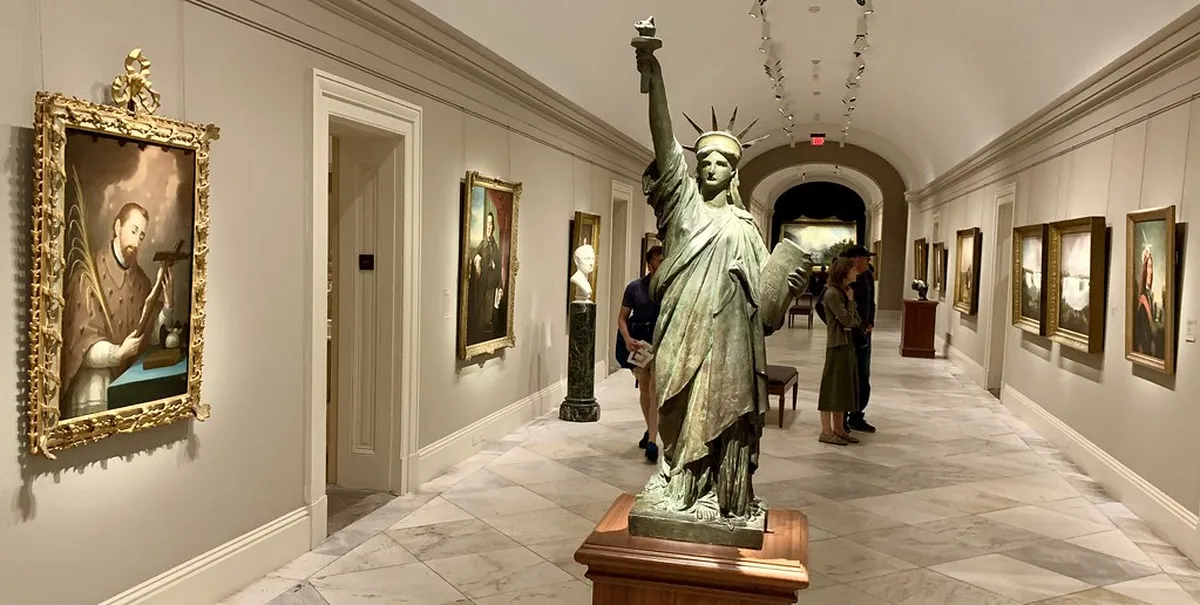
The museum houses an incredible collection of models for the famous Statue of Liberty in New York. You can see the evolution of the design from early sketches to large plaster sections. These exhibits explain the complex structural framework designed by the famous engineer Gustave Eiffel. It is fascinating to see how the sculptor refined the iconic features of the statue.
Another section of the museum focuses on the massive Colmar Statue of Liberty replica and its global impact. You will learn about the fundraising efforts and the diplomatic significance of this gift to America. The models show the intricate details of the copper skin and the internal support system. These displays highlight Bartholdi's skill in blending art with advanced architectural engineering.
Other masterpieces in the collection include the Lion of Belfort and various funerary monuments from Europe. Each work is presented with historical context to help guests understand its cultural importance. The variety of materials used, from terra cotta to bronze, showcases the sculptor's versatility. These masterpieces represent the pinnacle of nineteenth-century European sculpture and public art design.
Tips for Visiting the Museum in 2025
Planning a visit to the Bartholdi Museum in 2025 requires some basic logistical preparation. The museum is located at 30 Rue des Marchands and is easily accessible on foot. Adult tickets typically cost around 5 to 7 Euros, which is a great value for travelers. It is often closed on Tuesdays, so check the official schedule before you arrive.
Most visitors spend about two hours exploring the three floors of diverse exhibits and galleries. Photography is generally allowed without a flash to protect the integrity of the historical artifacts. You should wear comfortable walking shoes as the old staircases can be quite steep. The gift shop offers unique books and small replicas for those wanting a souvenir.
Consider visiting during the morning hours to avoid the largest crowds of the day. This timing allows for a more peaceful experience while viewing the detailed architectural models. The museum is situated near many other popular landmarks in the heart of the city. Combining a museum visit with a walk through the nearby Little Venice district is recommended.
Frequently Asked Questions
What is the Bartholdi Museum architectural history significance?
The museum is located in the birthplace of Frédéric Auguste Bartholdi, a protected historic residence. It represents traditional Alsatian architectural styles from the 18th and 19th centuries. The building preserves the domestic environment where the famous sculptor spent his early years.
How long does it take to tour the Bartholdi Museum?
Most guests spend between 90 minutes and two hours exploring the various gallery levels. This time allows you to read the descriptions and view the large scale models. The courtyard area also deserves a few minutes of your time during the visit.
Is the Bartholdi Museum accessible for all visitors in 2025?
The museum has made efforts to improve accessibility despite being housed in a very old building. Some areas might still be difficult for those with mobility issues due to historic stairs. It is best to contact the staff for specific needs before your visit starts.
The Bartholdi Museum architectural history is a vital part of the cultural landscape in Colmar. This site offers a deep connection to the man who created the Statue of Liberty. Exploring the house and its galleries provides a unique look at artistic genius and history. Plan your visit in 2025 to see these incredible monumental works for yourself. Discover the legacy of Frédéric Auguste Bartholdi in the heart of beautiful Alsace today.
Key Takeaways
- The museum is housed in the actual 18th-century birthplace of the sculptor.
- Exhibits include detailed models of the Statue of Liberty and the Lion of Belfort.
- The central courtyard features the famous 'Great Supporters of the World' bronze sculpture.
- It is a top destination for those interested in Alsatian architectural history.
- Visiting in 2025 costs approximately 5-7 Euros for a standard adult ticket.
Related reads: architecturebycity.com, fontaine roesselmann design, colmar half timbered house styles.