
Koïfhus Colmar Architectural History: Expert 2025 Guide
Discover the Koïfhus Colmar architectural history in our guide. Learn about medieval trade and see the iconic glazed roof tiles. Visit Colmar in 2025!
On this page
The Koïfhus stands as a grand symbol of the trading history in Alsace. This landmark is the oldest public monument in the city of Colmar today. Exploring the Koïfhus Colmar architectural history reveals a fascinating blend of Gothic and Renaissance styles. You can admire its unique features while walking through the charming old town streets.
Origins and Gothic Foundations of the Koïfhus
Construction of this massive stone building began in the year 1480. Master masons finished the main structure in 1481 after one year of hard work. It served as a central hub for trade and taxation in medieval Colmar. The ground floor functioned as a large warehouse for storing imported merchant goods.
The Gothic style is evident in the pointed arches and sturdy stone walls. Builders used local yellow sandstone to construct the base of this historic site. This material provides the building with its warm and characteristic Alsatian glow. You can still see original mason marks on many of the exterior stones.
The interior spaces were designed to hold heavy loads of salt and fabric. Massive wooden beams support the ceilings of the expansive ground floor warehouse area. These pillars have survived for centuries despite heavy use by local traders. The architectural design focused on durability to protect the valuable goods stored inside.
Practical details for visitors include several points of interest near the main entrance. This area remains a central gathering spot for tourists throughout the year 2025.
- Location: Place de l'Ancienne Douane, 68000 Colmar, France
- Hours: The exterior is visible 24 hours every day for visitors
- Cost: Viewing the building from the square is completely free for all
The Renaissance Influence on the Koïfhus Structure
The building underwent several significant changes during the busy sixteenth century. Architects added elegant Renaissance features to the original medieval Gothic foundation design. These additions reflect the growing wealth of the city during the golden age. The blending of these styles makes it a unique Renaissance landmark in Colmar.
New decorative elements were added to the windows and the upper floor areas. These features show the transition from defensive structures to more ornate civic buildings. The Renaissance influence brought more light into the meeting rooms for the city officials. Skilled craftsmen carved intricate designs into the stone frames of the new windows.
One major addition was the decorative wooden gallery on the northern side facade. This balcony allowed officials to watch the bustling activity in the market square. It represents the social hierarchy and the importance of public oversight in trade. The woodwork exhibits the fine carpentry skills that Alsace was famous for then.
Modern visitors can see how these two styles coexist in one single structure. The transition between the heavy Gothic base and the lighter Renaissance details is seamless. You can spend an hour studying the different window shapes on each level. This contrast tells the story of the city architectural evolution over many decades.
Iconic Roof and Tile Design in Colmar Architecture
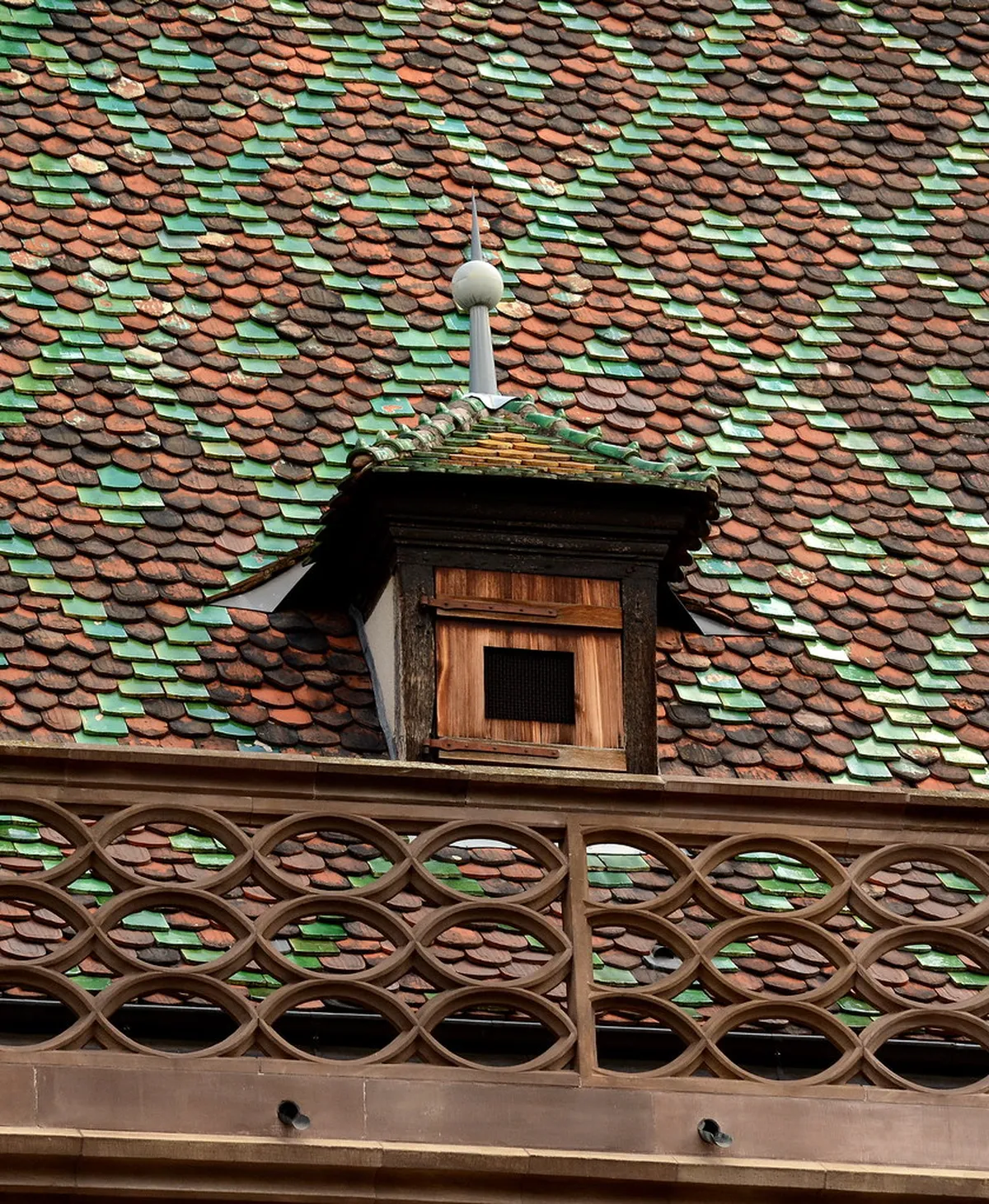
One striking feature is the steeply pitched roof that covers the entire building. It features beautiful multicolored glazed tiles arranged in classic and traditional Alsatian patterns. These tiles create a vibrant mosaic that catches the bright afternoon sunlight perfectly. This old custom house roof design remains a top spot for photography.
The use of glazed tiles was a sign of prestige for public buildings. Green, yellow, and red colors dominate the pattern on the high roof. These colors were expensive to produce and showed the high status of Colmar. The pattern helps to shed snow and rain efficiently during the winter months.
Maintaining such an intricate roof requires specialized knowledge of traditional roofing techniques. Local artisans have restored the tiles many times to preserve the historic appearance. They use authentic materials to ensure the building looks as it did centuries ago. Each tile is carefully placed to maintain the geometric integrity of the pattern.
You can find similar roof designs on other important buildings throughout the historic region. However, the Koïfhus roof is particularly large and impressive compared to private homes.
- Tile style: Burgundy glazed terracotta tiles in diamond patterns
- Best view: The bridge on Grand Rue offers the best perspective
- Maintenance: Most recent major roof restoration was completed in the 1970s
Evolution of Function and Modern Restorations
The upper floor once held important meetings for the powerful Decapole alliance. This group consisted of ten free Alsatian cities that shared common political goals. They used the large hall to discuss trade laws and regional security issues. It remains a vital part of medieval trade hall architecture in Alsace.
In the late nineteenth century, the building faced the threat of total demolition. Local citizens and historians fought to save the structure from urban development plans. Significant restoration work began in 1895 to preserve the integrity of the site. Architects carefully repaired the stone walls and reinforced the aging wooden floor beams.
Today, the building hosts various cultural markets and seasonal events for the community. During the winter, the ground floor transforms into a festive indoor Christmas market. Visitors can buy local crafts and taste traditional Alsatian treats inside the hall. It continues to serve the city as a center for public social life.
The Koïfhus is now protected as a national historic monument by the government. This status ensures that future generations can enjoy its unique architectural beauty forever. Ongoing maintenance projects keep the stone facade clean and free from environmental damage. It stands as a bridge between the medieval past and the modern present.
The Koïfhus Renaissance Staircase and Exterior Details
The Koïfhus Renaissance staircase is another masterpiece that visitors must see today. A beautiful spiral staircase sits inside an octagonal tower on the main facade. This tower allows access to the grand council rooms on the first floor. It highlights the intricate masonry work common during the late Middle Ages in France.
The exterior of the building features several statues and coats of arms. These carvings represent the political power of the Holy Roman Empire in Colmar. You can see the imperial eagle carved into the stone above the entrance. These symbols reminded merchants of the laws and taxes they had to follow.
The large wooden doors are reinforced with iron to protect the warehouse contents. These doors were wide enough to allow horse-drawn wagons to enter the building. You can still see the grooves in the floor from centuries of heavy wheels. These small details provide a glimpse into the daily life of medieval traders.
Practical tips for seeing these details include visiting during the early morning light. The sun hits the octagonal tower and brings out the fine stone details.
- Photography tip: Use a wide-angle lens for the interior courtyard area
- Nearby: The building is just a short walk from Little Venice
- Entry: The interior is open during special exhibitions and holiday markets
The Koïfhus in the Context of Colmar Urban Layout
The building sits at the heart of the historic center of the city. It connects the merchant district with the scenic canals of the Little Venice area. This central location was vital for managing the flow of goods into the city. You can see how the streets were designed to lead directly to this building.
Surrounding the Koïfhus are many well-preserved half-timbered houses from the same historic period. These buildings create a unified architectural ensemble that transports visitors back in time. The scale of the customs house emphasizes its role as the primary civic structure. It dominates the square and provides a sense of order to the urban space.
Architects used the natural landscape to enhance the visibility of the building from afar. The tall roof acts as a landmark for people navigating the narrow winding streets. Its presence helps visitors orient themselves while exploring the old town of Colmar. You can easily find it by looking for the bright roof tiles.
Visiting this area allows you to experience the authentic atmosphere of a medieval trading city. Many nearby cafes offer views of the building while you enjoy a local coffee. Take a moment to sit in the square and observe the architectural details around you. The Koïfhus remains the anchor of this historic and beautiful French neighborhood.
Frequently Asked Questions
What was the original purpose of the Koïfhus?
The building served as a customs house and a warehouse for trade. Merchants had to store their goods here to pay the required city taxes. It also hosted meetings for the Decapole, a league of ten Alsatian cities.
Can you visit the inside of the Koïfhus in 2025?
Yes, you can enter the ground floor during various public events and markets. The upper floors are sometimes open for special art exhibitions or cultural festivals. Check the local tourism office for the current schedule of events.
Why are the roof tiles multicolored on this building?
The multicolored glazed tiles were a traditional sign of wealth and civic importance. They create a beautiful pattern that distinguishes the building from surrounding houses. This style is typical of grand public architecture in the Alsace region.
The Koïfhus is a testament to the enduring beauty of historic Colmar architecture. Its long history tells the story of medieval commerce and regional political power. Plan your visit in 2025 to see this historic gem in the old town. Check out our architecture in Colmar guide for more information on top sites.
Key Takeaways
- The Koïfhus is Colmar oldest public building, dating back to 1480.
- It features a unique blend of Gothic foundations and Renaissance decorative additions.
- The iconic multicolored tiled roof is a masterpiece of traditional Alsatian craftsmanship.
Related reads: architecturebycity.com.