
See the Koïfhus Renaissance staircase in Colmar France
Visit the Koïfhus Renaissance staircase in Colmar. Explore the Koïfhus Colmar architectural history and see 2025 travel tips in this guide. Plan your trip now!
On this page
The Koïfhus Renaissance staircase stands as a masterpiece in the heart of Colmar. This historic structure attracts thousands of visitors every year. It represents the height of the Koïfhus Colmar architectural history. You can find this landmark near the bustling Place de l'Ancienne Douane.
This guide explores the unique features of the Koïfhus Renaissance staircase. We will cover the history, design, and travel tips for 2025. This staircase is more than just a functional path. It is a symbol of power from the Renaissance era in Alsace. Visitors often pause here to admire the intricate stone carvings.
The Koïfhus itself served as the Old Custom House of the city. It was the center of economic life for centuries. The addition of the staircase marked a new artistic period for the town. You will learn why this site remains essential for any architecture lover. Let us dive into the details of this historic Colmar gem.
History of the Koïfhus Renaissance Staircase
The Koïfhus Renaissance staircase was added to the main building in 1543. It connects the ground floor to the upper council chambers. This addition occurred during a period of great wealth for Colmar. The city needed a grand entrance to match its growing status. The staircase reflects the artistic shift from Gothic to Renaissance styles.
Architects designed the tower to be visible from the street. It features a distinct hexagonal shape that stands out. Local craftsmen used yellow and pink sandstone from the Vosges mountains. This material provides the warm glow seen on many local buildings. Studying the Koïfhus Colmar architectural history reveals many layers of construction.
The staircase served as a stage for important civic announcements. Officials would stand on the landings to address the public below. It witnessed the daily trade of wine, cloth, and spices. These goods were stored inside the massive custom house walls. Today, the staircase remains one of the best-preserved examples of its kind in France.
In 2025, the staircase remains a central point for heritage tours. Local historians often highlight its unique structural integrity. It has survived wars and urban changes over five centuries. The staircase acts as a bridge between the medieval past and modern Colmar. It is a testament to the skill of 16th-century builders.
Unique Design Features of the Spiral Tower
The Koïfhus Renaissance staircase is famous for its elegant spiral design. This type of construction was very popular among the wealthy elite. The central pillar supports the weight of the entire stone structure. Each step is carefully carved to fit perfectly into the wall. The geometry of the spiral creates a beautiful visual rhythm.
Look closely at the window frames as you walk past. They feature ornate carvings typical of the late Renaissance period. The balustrades show delicate patterns that mimic natural forms. You can see how the light enters at different angles throughout the day. This creates a shifting pattern of shadows on the old stone.
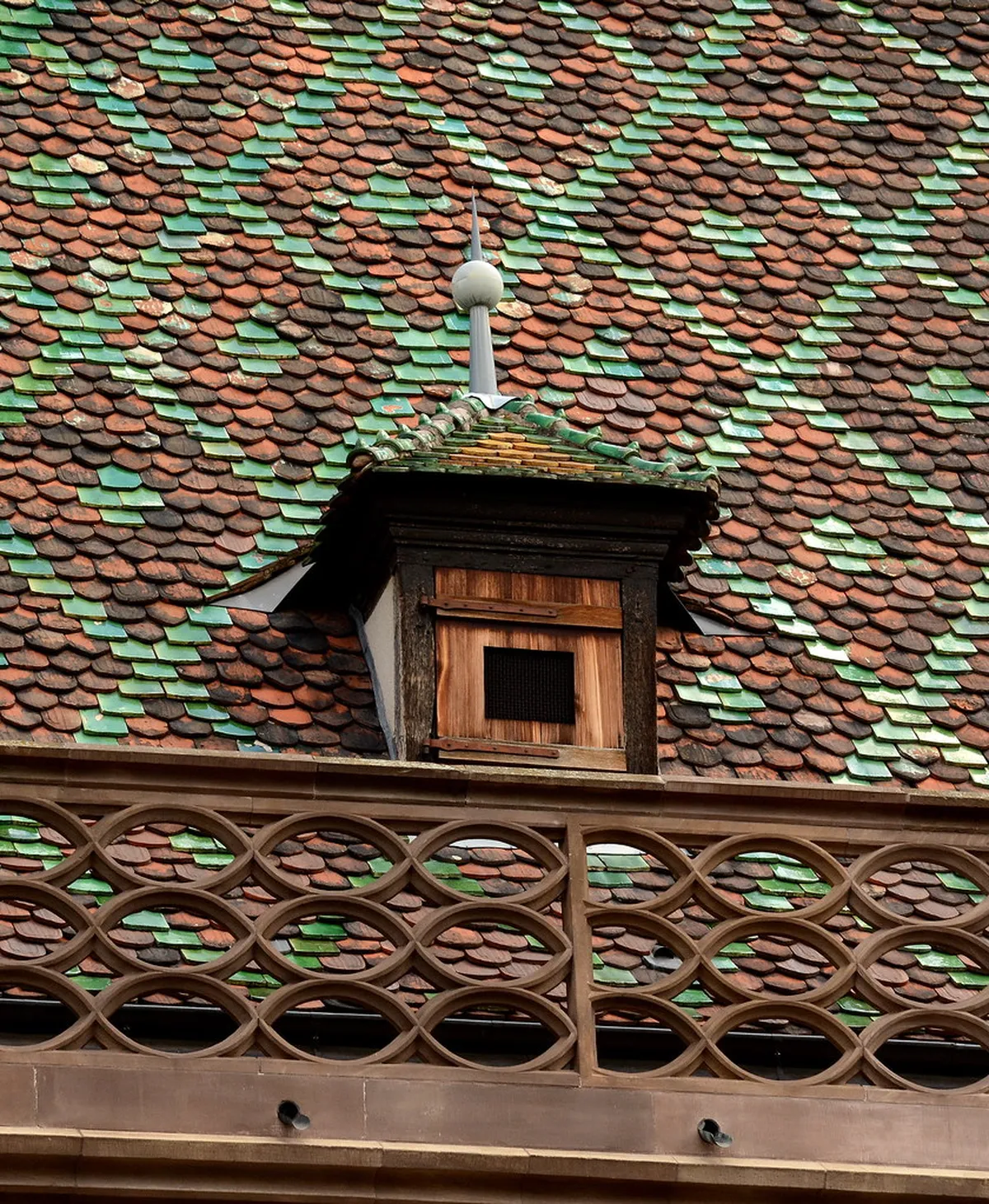
The exterior of the tower is equally impressive to view. It stands tall against the colorful half-timbered houses of the neighborhood. The roof of the tower features traditional glazed tiles in various colors. These tiles create a diamond pattern that is iconic to the Alsace region. The overall design harmonizes perfectly with the surrounding historic architecture.
Stone masons used traditional tools to create the smooth curves. You can still see the marks of their chisels on some surfaces. The durability of the sandstone has kept the details sharp for centuries. It is a prime example of the high-quality craftsmanship in Colmar. Visiting this tower offers a tactile connection to the Renaissance era.
Best 2025 Photo Spots for the Staircase
Finding the right angle for the Koïfhus Renaissance staircase is easy. Most photographers prefer the view from the Place de l'Ancienne Douane. This square offers enough space to capture the full height of the tower. Morning light is best for highlighting the yellow sandstone colors. Avoid the mid-day sun to prevent harsh shadows on the carvings.
For a unique perspective, try shooting from the fountain nearby. The water adds a nice foreground element to your architectural photos. You can also capture the staircase through the arches of the main building. This frames the spiral tower within the medieval context of the site. Many experts list this as one of the best Colmar architecture photography spots for travelers.
In 2025, consider visiting during the golden hour before sunset. The low sun makes the pink sandstone tones pop beautifully. The surrounding cafes provide a lively atmosphere for your street photography. You can capture both the quiet architecture and the local life. Be sure to bring a wide-angle lens for the best results.
Winter offers a different mood for your photography session. Snow on the glazed tiles creates a fairytale appearance. Christmas markets in the square add festive lights and colors to the scene. Spring brings flowers to the nearby balconies and windowsills. Every season offers a new way to see this historic staircase.
Exploring Other Renaissance Landmarks in Colmar
The Koïfhus is part of a larger network of historic sites. Colmar is famous for its well-preserved Renaissance architecture. After seeing the staircase, visit the nearby Maison des Têtes. That building features over one hundred carved heads on its facade. It shows the same artistic flair as the Koïfhus staircase.
The Pfister House is another must-see landmark in the city center. It features beautiful wooden galleries and painted murals from the 1500s. Walking between these sites allows you to compare different building techniques. You will notice how stone and wood were used together. There are many other Renaissance landmarks in Colmar worth exploring on foot.
The Unterlinden Museum also holds architectural treasures from this era. It is housed in a former 13th-century Dominican convent. The cloister offers a peaceful look at early Renaissance design. You can see how the city evolved through its buildings. Each street in the old town has a story to tell.
Guided tours often link these landmarks into a single narrative. You can learn about the families who funded these grand projects. Most of these sites are within a ten-minute walk of the Koïfhus. This makes Colmar one of the most walkable historic cities in Europe. Wear comfortable shoes to enjoy the cobblestone streets fully.
Planning Your Visit to the Koïfhus in 2025
Visiting the Koïfhus Renaissance staircase is free for all tourists. The exterior of the tower is accessible at any time of day. However, the interior is often used for local events and exhibitions. Check the local tourism office for the 2025 schedule of events. Some exhibitions may require a small entry fee of 5 to 10 Euros.
The site is located at 29 Grand Rue in the city center. It is easy to find by following signs for the Old Custom House. Most visitors spend about thirty minutes admiring the staircase and courtyard. The area is flat and accessible for most travelers. Be aware that the steps of the staircase can be slippery when wet.
The best time to visit is during the shoulder seasons. April and October offer pleasant weather and smaller crowds. Summer can be very busy with large tour groups in the square. If you visit in December, expect festive crowds for the markets. Arrive before 10:00 AM to enjoy the site in peace.
Combine your visit with a stop at a local Alsatian bakery. Several cafes near the staircase serve traditional kugelhopf and coffee. You can sit and enjoy the view of the tower for hours. It is a great place to relax and soak in the history. Don't forget to check the opening hours for nearby museums.
Frequently Asked Questions
What is the history of the Koïfhus Renaissance staircase?
The staircase was built in 1543 as an addition to the custom house. It reflects the wealth and power of Colmar during the Renaissance. The hexagonal tower served as a grand entrance for city officials. It is a key part of the Koïfhus Colmar architectural history.
Can I climb the Koïfhus Renaissance staircase?
Access to the upper levels depends on current exhibitions and events. The exterior is always visible from the public square. During local markets, the courtyard and ground floor are usually open. Always respect any signs or barriers during your 2025 visit.
Where is the best place to photograph the staircase?
The best views are from the Place de l'Ancienne Douane square. Position yourself near the fountain for a great wide-angle shot. Morning light highlights the yellow sandstone most effectively. It is one of the most popular spots for architectural photography in Colmar.
Are there other Renaissance buildings near the Koïfhus?
Yes, Colmar has several significant Renaissance landmarks. The Pfister House and Maison des Têtes are both located nearby. You can see many examples of the style within a short walk. These buildings showcase the city's rich history and craftsmanship.
The Koïfhus Renaissance staircase remains a highlight of any trip to Colmar. Its blend of history and design offers a unique look at the past. Make sure to include this site in your 2025 travel plans. You will appreciate the incredible skill of the Renaissance masons. Visit the Old Custom House today to see this iconic tower in person.
Key Takeaways
- The staircase was built in 1543 using local Vosges sandstone.
- It is located in the Place de l'Ancienne Douane in Colmar.
- The structure features a unique hexagonal spiral tower design.
- The site is free to view and perfect for photography lovers.
Related reads: architecturebycity.com, architecture in colmar, old custom house roof design.