
Burgundy Climats Heritage in City Architecture
Explore Burgundy Climats heritage in city architecture. Discover how wine wealth shaped the UNESCO Dijon old town district for your 2025 trip. Plan your tour now.
On this page
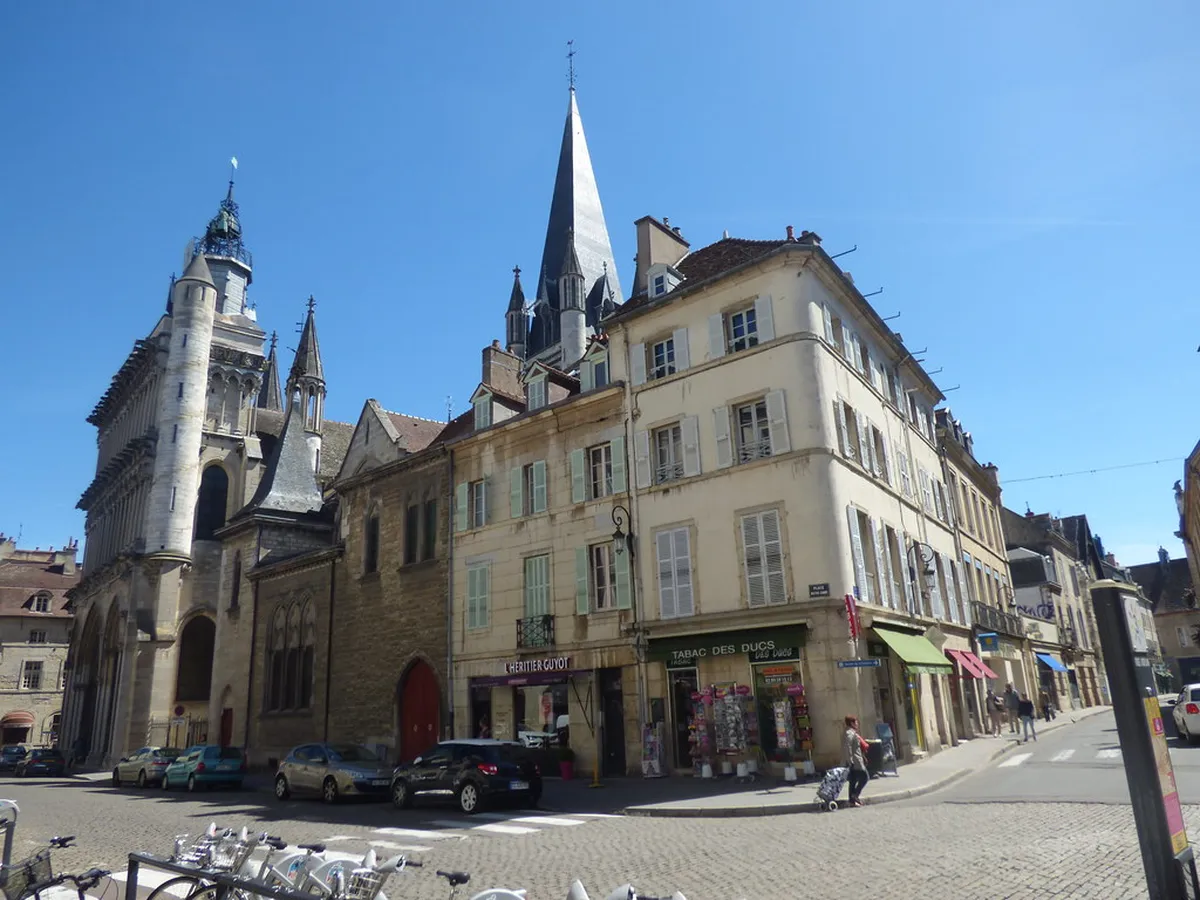
Dijon serves as the historic capital of the Burgundy wine region in France. The city showcases the unique Burgundy Climats heritage in city architecture throughout its streets. This UNESCO-listed area tells a story of centuries-old winemaking traditions and wealth. Visitors in 2025 can explore these deep connections between urban design and vineyards.
The urban landscape reflects the prosperity of the surrounding countryside. Noble families and wine merchants built grand homes within the city walls. These structures were designed to store, age, and sell regional wines. The architecture serves as a permanent map of the local wine history. You can see how the soil and vines influenced every stone block.
The city's preservation efforts keep this unique heritage alive for modern travelers. Walking through the center feels like stepping into a living museum of viticulture. Every facade and courtyard reveals a piece of the Burgundy wine puzzle. This guide explores the architectural beauty of the UNESCO Dijon old town district and its wine roots.
The Link Between Terroir and Urban Design
The concept of the Climats refers to specific vineyard plots in Burgundy. These plots have unique soil and weather conditions for growing grapes. The wealth from these vineyards flowed directly into the city of Dijon. This financial power allowed for the construction of monumental public buildings. It shaped the very streets that visitors walk upon today.
Many historic buildings were constructed using local Pierre de Bourgogne limestone. This cream-colored stone creates a uniform and elegant look across the city. The stone often came from the same hillsides where the vines grow. This physical connection links the urban environment to the natural landscape. It is the foundation of the Burgundy Climats heritage in city architecture.
Architects designed these homes with specialized features for the wine trade. Large carriage doors allowed carts full of barrels to enter private courtyards. These courtyards provided safe spaces for unloading and loading precious cargo. You can still see these massive wooden gates throughout the historic center. They represent the functional side of the region's luxurious history.
The height of the buildings often reflected the owner's vineyard holdings. Larger mansions usually belonged to families with plots in prestigious Grand Cru areas. This social hierarchy was etched into the skyline of the city. Modern urban planning still respects these historical height limits and styles. This ensures the architectural legacy remains visible for everyone to see.
The layout of the city was influenced by medieval trade routes. Wine was the primary export that drove the local economy for centuries. Markets and squares were positioned to facilitate the movement of wine barrels. This spatial organization is a key part of the UNESCO heritage site. Understanding this layout helps visitors appreciate the city's complex history.
Glazed Tile Roofs and Polychrome Styles
One striking feature of the region is the use of glazed tile roofs. These colorful patterns are a hallmark of Burgundy Climats heritage in city architecture. The tiles feature geometric designs in shades of red, green, and yellow. They were originally used to show off the extreme wealth of the owners. Today, they are the most iconic symbol of the city's skyline.
You can find the best examples of Dijon glazed tile roofs on major monuments. The patterns often resemble the rows of vines found in the countryside. This visual link reinforces the connection between the city and the land. These roofs were expensive to maintain and represented high social status. They remain a source of great pride for the local community.
The glazing process involves coating the clay tiles with lead or tin glazes. This creates a waterproof and shiny finish that lasts for decades. During the 15th century, this style became a regional architectural signature. It distinguishes the buildings of the Burgundy dukes from other French regions. The vibrant colors contrast beautifully with the pale limestone walls.
Seasonal light changes the appearance of these roofs throughout the year. In the summer sun, the glazes sparkle and reflect intense colors. During the winter, they provide a splash of brightness against gray skies. Photographers often flock to high vantage points to capture these patterns. They are essential for understanding the artistic side of the wine heritage.
Preservation of these roofs requires specialized craftsmen and significant funding. Modern restoration projects use traditional techniques to replace damaged tiles. This careful work ensures that the polychrome style survives for future generations. It is a vital part of maintaining the city's UNESCO World Heritage status. Seeing these roofs is a highlight of any architectural tour.
Renaissance Mansions and Private Cellars
During the Renaissance, Dijon experienced a massive building boom in the center. Wealthy wine dynasties commissioned talented architects to build private urban palaces. These mansions are known locally as "hotels particuliers" and feature stunning details. Many of these Renaissance mansions in Dijon still stand in perfect condition. They showcase the ultimate evolution of Burgundy Climats heritage in city architecture.
The most important feature of these mansions is often hidden underground. Deep, vaulted cellars were carved directly into the bedrock beneath the homes. These spaces provided the perfect temperature for aging fine Burgundy wines. Some cellars span several levels and cover entire city blocks. They are the invisible backbone of the city's architectural wine legacy.
Inside the courtyards, you will find ornate staircases and sculpted facades. These decorations often include vine leaves, grapes, and other viticulture symbols. Such details were meant to celebrate the source of the family's fortune. The craftsmanship reflects the high value placed on the wine industry. Every stone carving tells a story of success and regional pride.
Many of these mansions are now open to the public as museums. Visitors can explore the grand halls where wine deals were once signed. The interiors often feature original woodwork and large stone fireplaces. These spaces give a sense of the daily life of the wine elite. They provide a luxurious backdrop to the city's historical narrative.
The gardens of these mansions were also designed with great care. Some gardens included small plots of vines for personal use or decoration. This brought the essence of the Climats directly into the urban heart. These green spaces offer a peaceful escape from the busy city streets. They are integral to the overall design of the historic district.
The Role of the Palace of the Dukes
The Palace of the Dukes of Burgundy is the city's centerpiece. It served as the administrative center for the entire wine region. The dukes were instrumental in promoting Burgundy wines across Europe. Their influence is visible in the palace's grand scale and architecture. It remains one of the most significant buildings in all of France.
The palace features a mix of Gothic and Neoclassical architectural styles. Its sprawling wings house the city hall and a famous fine arts museum. The central tower offers panoramic views of the UNESCO old town district. From here, you can see the relationship between the city and the hills. This vantage point is perfect for understanding the Climats heritage.
The kitchens of the palace were designed to handle massive feasts. These events always featured the best wines from the ducal estates. The architecture of these functional spaces is just as impressive as the ballrooms. Large chimneys and vaulted ceilings show the scale of medieval hospitality. It was here that the reputation of Burgundy wine was built.
The palace overlooks the Place de la Liberation, a grand semicircular square. This open space was designed to highlight the power of the monarchy. It remains a popular gathering spot for locals and tourists in 2025. The surrounding buildings follow a strict architectural code to match the palace. This creates a harmonious and impressive urban environment for all.
Today, the palace hosts many events related to the wine industry. It serves as a bridge between the city's past and its future. The preservation of this site is a top priority for the government. It stands as a monument to the political power of the wine trade. No visit to Dijon is complete without exploring its many rooms.
Modern Architecture and Gastronomy Hubs
Dijon continues to evolve while respecting its ancient wine heritage. The International City of Gastronomy and Wine is a perfect example. This modern complex combines historic restoration with contemporary design elements. It serves as a new gateway for visitors to learn about the Climats. The project shows how architecture can adapt to modern cultural needs.
The site includes a wine school, shops, and several high-end restaurants. It is located on the edge of the historic old town district. Architects used glass and steel to contrast with the traditional limestone. This creates a dynamic visual dialogue between the old and the new. It highlights the ongoing relevance of the region's viticulture legacy.
Educational exhibits inside explain the science behind the different soil types. You can learn why a specific hill produces a world-famous wine. Interactive displays make the complex history of the Climats easy to understand. This facility is a must-visit for anyone interested in urban development. It brings the story of Burgundy into the 21st century.
The construction of this hub revitalized a former hospital site from the 1200s. Architects carefully preserved the historic chapel and old wards during the process. This blend of eras is a core theme in Dijon's urban planning. It ensures that the city remains a living place rather than a museum. The project has received international praise for its innovative design.
Visitors can participate in workshops and tastings within the modern facility. These experiences connect the architectural tour with sensory delights. The site is easily accessible via the city's efficient tram system. It is a key part of the 2025 tourism strategy for the region. The hub celebrates the enduring spirit of Burgundy wine and food.
Frequently Asked Questions
What does the term Climats mean in Burgundy architecture?
The term Climats refers to the precisely delimited vineyard plots in Burgundy. In architecture, this heritage is seen in the buildings funded by wine profits. It includes mansions, cellars, and decorative elements inspired by the vines. This connection earned the city a place on the UNESCO list.
Are the glazed tile roofs unique to Dijon?
Glazed tile roofs are a signature style found throughout the Burgundy region. Dijon features some of the most elaborate and famous examples of this style. These roofs use colorful patterns to display the wealth of the building's owners. They are a primary feature of the local architectural identity.
Can I visit the historic wine cellars in Dijon?
Yes, many historic wine cellars are open to the public for tours. Some are located beneath museums, while others are part of private mansions. These vaulted spaces offer a cool environment to learn about wine aging. They are essential for seeing the Burgundy Climats heritage in city architecture.
When is the best time to see the UNESCO district?
Spring and fall offer the best weather for walking tours in 2025. The light during these seasons highlights the details of the limestone facades. Many wine-related festivals also take place during the autumn harvest season. This provides a vibrant atmosphere for exploring the historic streets.
The Burgundy Climats heritage in city architecture makes Dijon a unique destination. The city perfectly balances its prestigious history with modern urban life. From glazed roofs to hidden cellars, the influence of wine is everywhere. Plan your visit to the UNESCO Dijon old town district today. Discover the beauty of France's historic wine capital in 2025.
Key Takeaways
- Dijon's limestone architecture was funded by the success of the surrounding vineyards.
- Glazed tile roofs are a major visual symbol of the region's historic wine wealth.
- Vaulted underground cellars are a hidden but essential part of the city's urban design.
- The International City of Gastronomy and Wine links modern design with ancient heritage.
Related reads: architecturebycity.com, architecture in dijon, quartier des antiquaires historic buildings.