
Art Deco Facades Rue de Béthune: Lille Guide 2025
Explore stunning Art Deco facades Rue de Béthune in Lille. Discover 1920s architecture on this neighborhood walk of Art Deco buildings in Lille. Plan your visit!
On this page
Rue de Béthune serves as the vibrant heart of shopping and history in Lille. Visitors often come for the retail but stay for the stunning 1920s architecture. You will find incredible Art Deco facades Rue de Béthune while walking through the city center. This guide explores the unique design elements of this historic French street.
The street suffered significant damage during the heavy shelling of the first world war. Architects used the reconstruction period to introduce modern styles to the local urban landscape. This resulted in a beautiful collection of Art Deco buildings in Lille that still stand today. The year 2025 is the perfect time to explore these architectural treasures.
The History of Reconstruction in Lille
Lille underwent a massive transformation following the end of the Great War in 1918. Most of the original structures on Rue de Béthune were destroyed during the conflict. City planners chose to rebuild the area using the fashionable Art Deco style. This movement emphasized progress, luxury, and the bright promise of a modern industrial future.
Local architects worked quickly to restore the commercial soul of the neighborhood for the residents. They moved away from traditional Flemish styles to embrace geometric shapes and reinforced concrete. These choices allowed for larger windows and taller buildings on the narrow shopping streets. Today, this street represents a significant part of the 1920s architectural heritage of Northern France.
The reconstruction was not just about utility but also about creating a visual spectacle. Developers wanted the street to feel grand and welcoming to the growing middle class. They used high-quality materials like limestone and decorative ceramics for the new facades. This era of construction shaped the modern identity of downtown Lille for many decades.
Key Features of Art Deco Facades Rue de Béthune
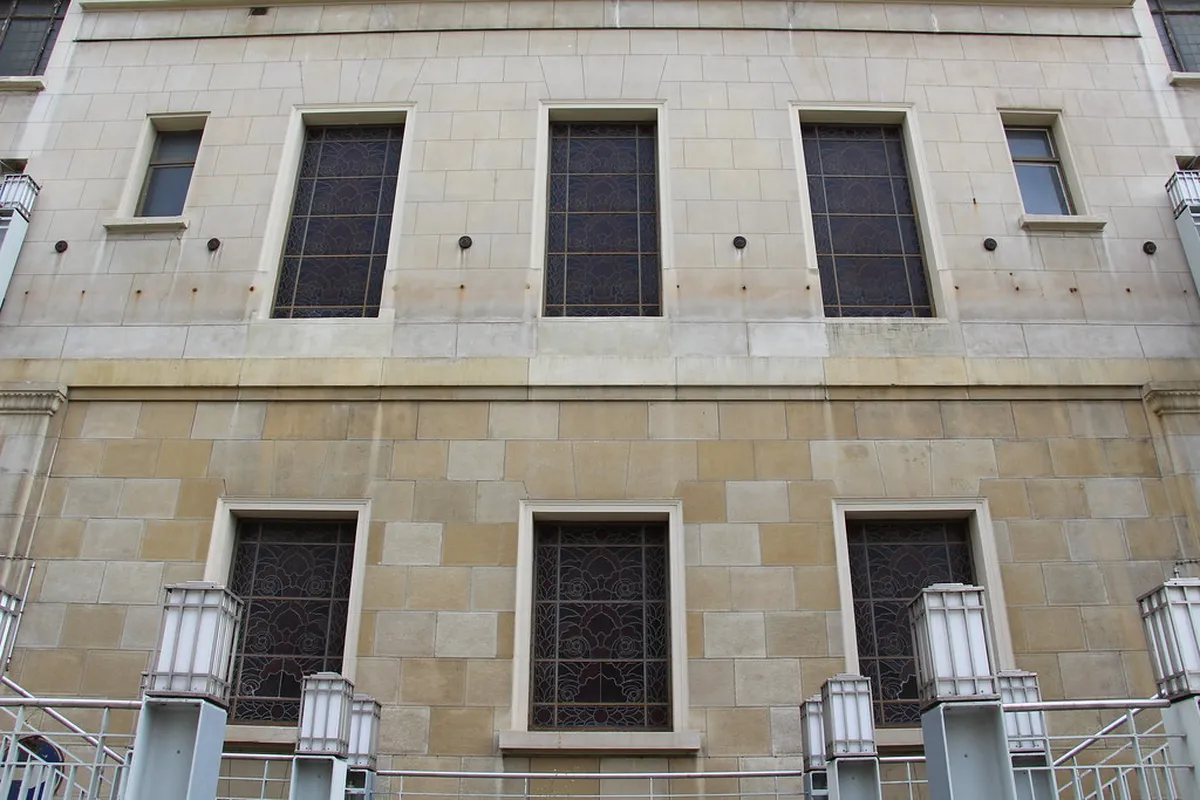
Art Deco facades Rue de Béthune are famous for their bold and repetitive geometric patterns. You will see many stylized floral motifs carved directly into the stone surfaces. These designs often feature symmetrical lines that lead the eye toward the upper floors. Look closely at the window frames for intricate metalwork and unique shapes.
The use of vertical lines gives these buildings a sense of height and elegance. Many structures feature rounded corners that soften the appearance of the street intersections. Wrought iron balconies often display complex zigzag patterns characteristic of the 1920s era. These elements combined to create a cohesive and sophisticated look for the entire district.
- Geometric shapes: Bold triangles, circles, and squares integrated into the stonework.
- Stylized motifs: Carvings of fruits, flowers, and rays of light on the walls.
- Industrial materials: Extensive use of concrete, glass, and polished metal for durability.
- Ziggurat rooflines: Stepped levels that mimic the look of ancient monumental temples.
Architects also focused on the play of light and shadow across the different textures. The deep carvings create dramatic contrasts when the sun shines directly on the buildings. These facades were designed to look impressive during both the day and night. This attention to detail makes the street a masterpiece of 20th-century urban design.
Notable Art Deco Buildings in Lille Center
The Galeries Lafayette building is perhaps the most famous structure on the entire street. Its massive facade features grand arches and highly detailed stone carvings from the 1920s. This building stands as a premier example of commercial Art Deco buildings in Lille today. The interior still maintains some of its original grandeur for shoppers to enjoy.
Another striking example is the former cinema building located near the middle of the street. It features a stunning facade with large vertical windows and decorative ceramic tiles. The neon signs often highlight the architectural lines once the sun sets in the evening. This building served as a hub for entertainment and modern culture during the interwar years.
Small shops also contribute to the architectural variety found along this pedestrian-friendly thoroughfare. Many smaller buildings have retained their original Art Deco storefronts and decorative upper cornices. These details provide a glimpse into the daily life of Lille residents during the roaring twenties. Each structure tells a unique story of survival and artistic expression after the war.
Planning Your Neighborhood Walking Tour
Start your walk at the Place de la République near the fine arts museum. Walk slowly toward the Grand Place to see the best Art Deco facades Rue de Béthune offers. The street is entirely pedestrianized, making it very safe for photographers and slow walkers. Wear comfortable walking shoes to enjoy the stroll without any physical discomfort.
The best time to view the architecture is during the early morning hours. The light is soft and there are fewer crowds to block your view. Most shops open around 10:00 AM, which brings a high volume of foot traffic. You can combine this walk with a Vieux Lille architectural walking tour for a complete city experience.
Check the weather forecast before you head out for your morning photography session. Overcast skies can actually help highlight the textures of the white limestone buildings. Rain creates beautiful reflections on the stone pavement of the shopping street. Many local cafes offer outdoor seating where you can admire the views comfortably.
Frequently Asked Questions
What are the best Art Deco facades Rue de Béthune has to offer?
The Galeries Lafayette building is the most iconic Art Deco structure on the street. You should also look for the former cinema buildings with their geometric metalwork. Many smaller retail shops feature original 1920s stone carvings on their upper levels.
When was Rue de Béthune rebuilt in the Art Deco style?
Most of the reconstruction occurred between 1920 and 1930 after the first world war. Architects chose this modern style to represent the city's growth and recovery. This period defined the current look of the main shopping district in Lille.
Is Rue de Béthune a pedestrian-only street?
Yes, Rue de Béthune is one of the largest pedestrian shopping streets in France. This makes it ideal for looking up at the facades without worrying about cars. It is very easy to navigate for visitors of all ages.
Exploring the Art Deco facades Rue de Béthune is a highlight for any visitor to Lille. The street offers a unique blend of high-end shopping and historical architectural beauty. Take your time to appreciate the small details that make these 1920s buildings special. Visit Lille in 2025 to experience this stunning urban heritage for yourself.
Key Takeaways
- Rue de Béthune features the best concentration of Art Deco architecture in Lille.
- The street was rebuilt in the 1920s after heavy wartime damage.
- Look up at the upper floors to see the most detailed geometric carvings.
- Morning is the best time for photography to avoid the shopping crowds.
Related reads: architecturebycity.com.