
Cour des Voraces Architectural History: Lyon Guide
Discover the Cour des Voraces architectural history in Lyon. Explore this iconic landmark today with our 2025 travel guide. Plan your trip now!
On this page
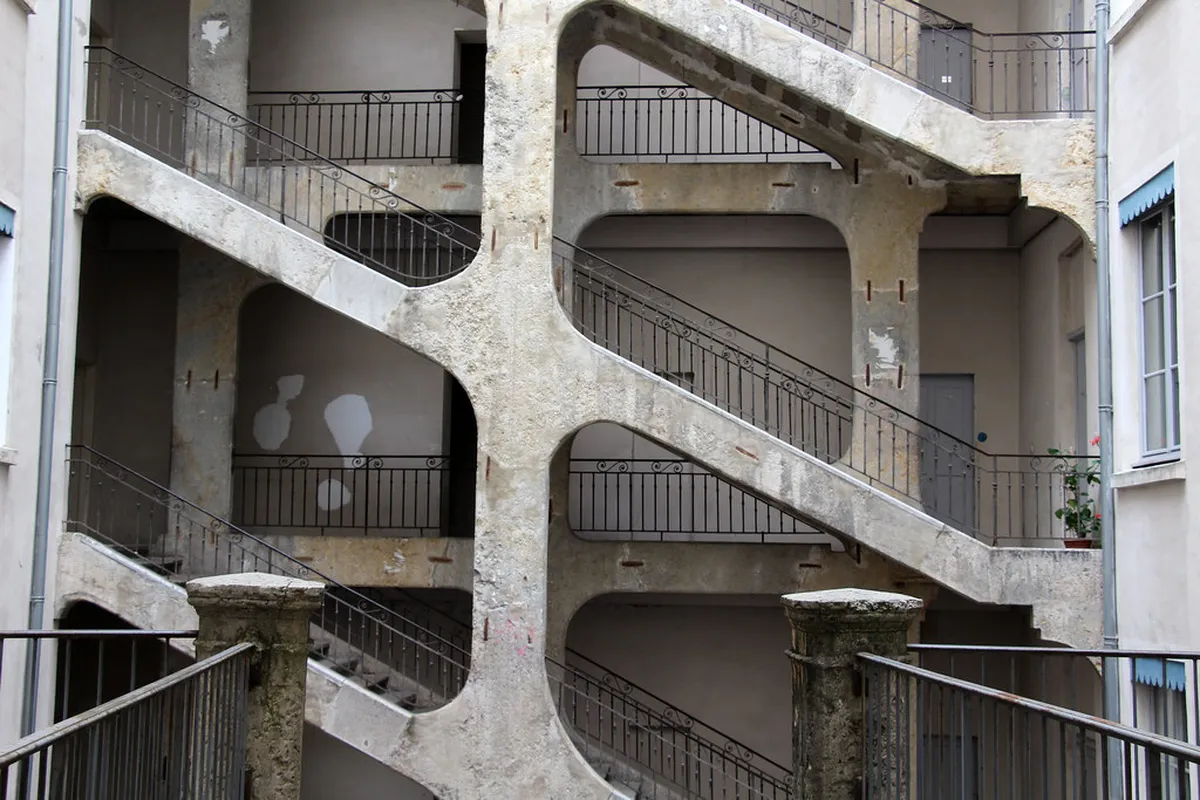
The Cour des Voraces architectural history is a key part of Lyon's industrial heritage. This courtyard features a stunning six-story staircase that attracts many photographers every day. The structure was built to connect different levels of the silk worker workshops. In 2025, you can explore this site to understand the city's unique history.
You will find this landmark located on the slopes of the Croix-Rousse hill. It remains one of the most impressive examples of functional architecture in France. The site tells a story of labor, rebellion, and impressive structural engineering. Walking through these stone arches feels like stepping back into the 19th century.
This guide will explore the origins and the design of this famous courtyard. We will provide practical tips for your visit to this historic Lyon landmark. You will learn why this site is so important to the local people. Discover the secrets of the stone stairs and the lives of the workers.
Origins of the Monumental Staircase
The Cour des Voraces architectural history began in the early years of the 1800s. Local builders designed the courtyard to accommodate the growing textile industry in Lyon. They needed a space that could handle both residential and industrial needs efficiently. This led to the creation of the massive stone structure we see today.
The monumental staircase stands as the most famous feature of the entire building. It rises six stories high and overlooks the central open-air courtyard space. Architects used traditional masonry techniques to ensure the structure would last for centuries. The steps are wide enough to allow multiple people to pass easily.
Builders selected heavy limestone from nearby quarries for the main construction work. This material provided the strength needed to support such a large vertical structure. The pale color of the stone helps to brighten the narrow interior space. Over time, the stone has developed a beautiful patina that adds historic character.
The design reflects the urban density of the Croix-Rousse district during that era. Land was scarce, so buildings had to grow vertically rather than horizontally. The courtyard allowed light and air to reach the lower floors of the building. This was a vital health consideration for the families living in the block.
Each level of the staircase connects to an open-air gallery or corridor. These galleries lead to the various apartments and workshops on every single floor. The layout creates a sense of community among the residents of the building. It remains a masterpiece of utilitarian design in the heart of modern Lyon.
The Influence of Canut Silk Workers
The history of this site is linked to the famous Canut silk workers. These laborers were the backbone of the city's economy for many decades. They lived and worked within these massive stone buildings throughout the 19th century. The Cour des Voraces architectural history is a tribute to their hard work.
Voraces was the name of a specific group of politically active silk workers. They were known for their strong demands for better wages and working conditions. This courtyard served as a secret meeting place for their organized social movements. The workers used the unique layout to hide from the local police forces.
The building design was tailored to the needs of the large Jacquard looms. Workshops featured very high ceilings to fit these complex and tall wooden machines. Large windows allowed enough natural light for the workers to see fine threads. This integration of work and home was common in the Croix-Rousse district.
The courtyard is part of a network of hidden traboules used by the weavers. These passages allowed workers to move silk quickly between different streets and workshops. The traboules protected the expensive fabrics from the rain and the mud outside. They also provided a quick escape route during times of social unrest.
Life in the courtyard was loud and busy during the height of production. The sound of the looms would echo through the stone walls all day. Families shared the open galleries and the central staircase for their daily tasks. Today, the quiet atmosphere offers a sharp contrast to that industrial past.
Structural Brilliance of the Stairway
The Cour des Voraces architectural history highlights the clever use of vertical space. The staircase uses a series of heavy arches to support each individual floor. These arches distribute the weight of the stone evenly across the foundation. This engineering feat was quite advanced for the early 19th-century time period.
The open galleries are a defining feature of the interior courtyard's structural design. They wrap around the walls and provide a path to every apartment door. Iron railings were added for safety while maintaining a minimalist and clean look. The repetition of these lines creates a beautiful and geometric visual pattern.
Natural ventilation was a key benefit of this open-air architectural layout. The design allowed fresh air to circulate through the entire housing complex. This helped to reduce the spread of diseases in the crowded urban area. It also kept the workshops cool during the hot summer months in Lyon.
The staircase itself is a marvel of stonemasonry and precision planning. Each step was carved to fit perfectly into the overall spiral structure. The central void allows visitors to look straight up to the sky above. This creates a sense of openness despite the surrounding tall stone walls.
The scale of the staircase is much larger than most residential stairs. This size was necessary to transport heavy equipment and large rolls of silk. It reflects the industrial purpose that defined the Cour des Voraces architectural history. Modern architects still study this building for its functional and durable design.
Preserving History Through the Centuries
The Cour des Voraces architectural history faced many challenges during the 20th century. As the silk industry declined, many buildings in the district were neglected. The stone staircase began to show signs of age and significant structural wear. Many people feared that this iconic landmark might be lost forever.
Local heritage organizations began a campaign to protect the historic site in Lyon. They recognized the cultural value of the courtyard and its unique stone staircase. The government eventually designated the building as a protected historical monument. This ensured that any future renovations would follow strict preservation guidelines.
Major restoration work took place during the late 1990s and early 2000s. Specialists cleaned the limestone walls to remove decades of soot and grime. They repaired the steps and reinforced the arches to ensure long-term stability. The goal was to restore the courtyard to its original 19th-century glory.
The Cour des Voraces architectural history provides a contrast to other local styles. It is very different from the Renaissance architecture in Vieux Lyon across the river. The Renaissance buildings are known for their decorative and ornate stone carvings. In contrast, the Cour des Voraces is celebrated for its raw and industrial strength.
Today, the courtyard is a symbol of Lyon's resilience and its history. It serves as a reminder of the workers who built the city's wealth. Residents take pride in living within such a famous and historic structure. The building remains a living part of the community in the year 2025.
A Tourist Guide for the Year 2025
Visiting the Cour des Voraces in 2025 is a highlight for many travelers. The site is easy to reach using the city's efficient public transport system. You can take the Metro Line C to the Croix-Paquet station nearby. From there, it is a short walk up the hill to Place Colbert.
The entrance at 9 Place Colbert leads you into the historic courtyard space. Entry is usually free, but you must remember that people live here. Please keep your voice low and respect the privacy of the local residents. This allows everyone to enjoy the Cour des Voraces architectural history peacefully.
The best time for photography is during the early morning or late afternoon. Soft light creates beautiful shadows across the stone steps and the arches. You should bring a wide-angle lens to capture the full six-story height. Look for unique angles from the bottom and the top of the stairs.
After your visit, explore the architecture of La Croix-Rousse silk district. This neighborhood is full of small boutiques and charming local coffee shops. You can walk through more traboules and discover hidden gardens along the way. The views from the top of the hill are absolutely breathtaking in 2025.
There are many guided tours available for those who want more detailed information. Expert guides can explain the specific details of the Cour des Voraces architectural history. They often share stories about the workers and the revolutions that started here. Check online for booking options before you arrive in the city of Lyon.
Materials and Masonry Techniques
The Cour des Voraces architectural history is also a story of expert craftsmanship. Stonemasons in the 19th century used techniques that have largely been forgotten today. They had to ensure that the massive staircase could support its own immense weight. Each stone block was shaped by hand to fit precisely into the design.
The builders chose a specific type of golden limestone found in the Beaujolais region. This stone is famous for its durability and its warm, inviting yellow color. It hardens over time when exposed to the air and the elements outside. This characteristic helped the Cour des Voraces survive for over two centuries.
The mortar used between the stones was a traditional mix of lime and sand. This allowed the building to breathe and move slightly without cracking the stones. Modern restoration teams used similar materials to maintain the historical integrity of the site. Preserving these techniques is vital for the Cour des Voraces architectural history.
The ironwork on the balconies also reflects the industrial skills of old Lyon. Local blacksmiths forged the railings to be both strong and visually appealing. These metal elements provide a sharp contrast to the heavy and solid stone walls. They have been carefully repainted to prevent rust and decay in 2025.
The floor of the courtyard is paved with large granite cobblestones from the river. These stones provided a hard surface for the carts that delivered silk supplies. You can still see the ruts made by the wheels of these historic wagons. Every detail adds another layer to the Cour des Voraces architectural history.
Frequently Asked Questions
Why is the Cour des Voraces significant?
It is a symbol of the silk worker labor movements in Lyon. The Cour des Voraces architectural history represents the industrial and social heart of the city. It features a unique six-story staircase that is famous worldwide.
How many floors does the staircase have?
The stone staircase rises a total of six stories into the air. It was built this high to maximize the use of limited urban land. Each floor provided space for both silk workshops and residential apartments.
What does the word 'Voraces' mean?
The name refers to a group of silk workers during the 1848 revolution. These workers were known for their hunger for social and political change. They used the courtyard as a base for their organized local activism.
Can I visit this landmark for free in 2025?
Yes, the courtyard is generally open to the public during daylight hours. There is no entrance fee to see the Cour des Voraces architectural history. Always remember to be quiet as people still live in the building.
The Cour des Voraces architectural history is a must-see for every visitor to Lyon. This landmark perfectly captures the industrial spirit and the resilience of the local people. Explore the stone stairs and the historic traboules to experience the city's past. Plan your 2025 trip to this incredible site today for an unforgettable experience.
Key Takeaways
- Use the Place Colbert entrance for easy access.
- Respect the privacy of residents living in the building.
- Bring a wide-angle camera lens for the best photos.
- Visit during the morning to capture the softest light.
Related reads: architecturebycity.com, architecture in lyon, gadagne museum building features.