
Visit The Odeon Lyon archaeological site in 2025
Discover The Odeon Lyon archaeological site with our expert 2025 visitor guide. Explore Roman ruins and theaters in Lyon and plan your historic trip today!
On this page
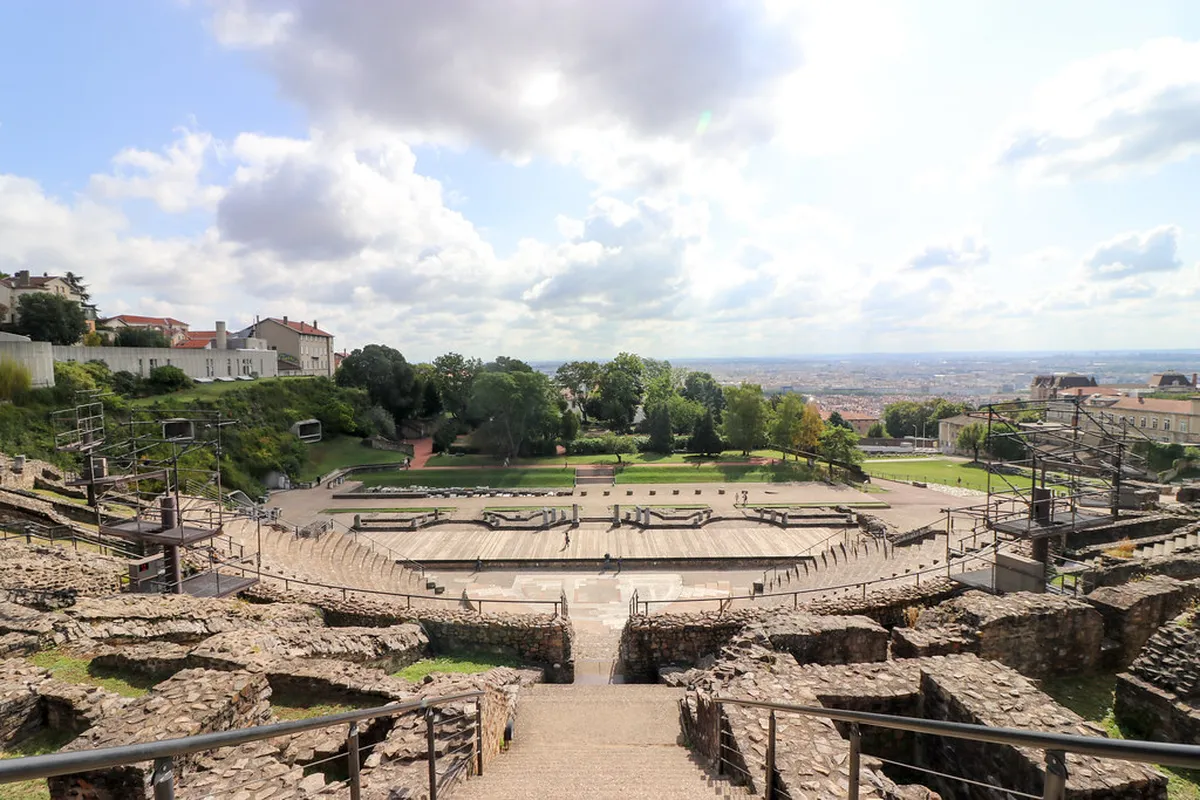
The Odeon Lyon archaeological site stands as a stunning testament to the ancient Roman power in France. This historic monument sits gracefully on the slopes of Fourvière hill overlooking the modern city of Lyon. Travelers visiting in 2025 will find these ruins offer a deep connection to the ancient past. You can explore the site daily to witness the architectural brilliance of the early Roman Empire.
This location is part of the iconic Roman ruins and theaters in Lyon complex. It remains one of the most well-preserved examples of an ancient music hall in Europe. Visitors often enjoy the peaceful atmosphere compared to the larger and busier theater located nearby. The site provides a perfect backdrop for learning about the history of Roman Gaul.
The History of The Odeon Lyon archaeological site
The Odeon was built during the late first or early second century in ancient Lugdunum. It served as a venue for musical performances and poetry readings for the local elite. The structure could hold about three thousand spectators within its intimate semicircular stone seating rows. It represented the cultural heart of the city during the peak of Roman architectural influence.
Archaeologists believe the site was expanded during the reign of Emperor Hadrian around the year 135. This expansion added expensive marble decorations and improved the acoustics for the many performers and guests. The wealth of the city is evident in the variety of imported stones found here. These materials show the deep trade connections between Lyon and the rest of the empire.
The site fell into disrepair after the fall of the Roman Empire in the fifth century. Many of the original stones were taken to build newer structures in the growing city below. It remained hidden for centuries until major excavation projects began in the early twentieth century. Today it is a protected UNESCO World Heritage site that welcomes thousands of curious visitors.
Key Architectural Features to Observe
One of the most striking features is the polychrome marble floor located in the orchestra area. This beautiful floor contains fragments of porphyry and green marble sourced from distant Roman provinces. The geometric patterns remain visible and showcase the incredible skill of ancient Roman stone masons. It is truly rare to find such detailed stonework preserved in an outdoor archaeological setting.
The seating area or cavea is built directly into the natural slope of the Fourvière hill. Two large vaulted galleries once supported the upper tiers of the theater and provided structural stability. Visitors can still walk through parts of these galleries to experience the massive scale of construction. The design ensured that even those in the back rows could hear every musical note.
Experts often compare this site to the Great Theatre located just a short walking distance away. While the Great Theatre hosted plays and large spectacles the Odeon was for more refined arts. The smaller size allowed for a roof which likely improved the sound quality for vocal performances. You can still see the foundations that once supported this massive and complex roofing system.
Planning Your 2025 Visit to the Site
Access to the archaeological park remains free for all visitors throughout the entire calendar year 2025. The gates usually open at seven in the morning and close at dusk every single day. This makes it an affordable and flexible addition to any travel itinerary in the Rhone region. You should allow at least one hour to explore both the Odeon and the theater.
We recommend visiting during the early morning hours to avoid the heat and the largest tourist crowds. The morning light provides excellent conditions for taking photographs of the ancient stone and marble floors. It is also a very peaceful time to sit on the steps and enjoy the views. The site offers a unique perspective of the city as it wakes up below you.
You should consult a practical guide for Lyon architecture lovers before you begin your journey. Wear sturdy walking shoes because the ancient stone steps and gravel paths can be quite slippery. There are several steep slopes to navigate when moving between the different levels of the archaeological park. Bring a bottle of water especially if you plan to visit during the warm summer.
Nearby Attractions and Museums
The ruins are located right next to the famous Gallo-Roman Museum designed by architect Bernard Zehrfuss. This museum is built into the hillside and houses many treasures found during the local excavations. You can see the famous Bronze Table of Lyon and many intricate mosaics from the Roman period. It provides essential context for everything you will see at the outdoor archaeological site.
The Basilica of Notre-Dame de Fourvière is another must-see attraction located just a short walk up the hill. This nineteenth-century church features a blend of Romanesque and Byzantine styles with stunning gold mosaic interiors. The terrace outside the basilica offers the most famous panoramic view of the entire city of Lyon. It is a great place to see the contrast between ancient and modern urban design.
Walking down the hill will lead you into the historic Vieux Lyon district within a few minutes. This area is famous for its Renaissance architecture and hidden passageways known locally as the traboules. You can find many traditional restaurants called bouchons that serve authentic and delicious Lyonnais cuisine. It is the perfect place to relax after a morning of exploring ancient Roman ruins.
Frequently Asked Questions
Is entry to The Odeon Lyon archaeological site free?
Yes entry to the archaeological site is completely free for all visitors in 2025. You can walk through the ruins and the adjacent Great Theatre without buying a ticket. The nearby museum does require a separate paid admission fee for those who wish to enter.
How do I reach the Roman theaters on Fourvière hill?
The easiest way to reach the site is by taking the funicular from the Vieux Lyon station. Choose the line heading toward Saint-Just and get off at the Minimes-Théâtres Romains stop. It is a very short and easy walk from the station to the main entrance.
What are the opening hours for the archaeological park?
The park is typically open from 7:00 AM until 7:00 PM during the winter months of the year. During the summer the park remains open until 9:00 PM to accommodate the longer daylight hours. Be sure to check for any special event closures before you plan your trip.
The Odeon Lyon archaeological site is an essential stop for any traveler visiting this beautiful French city. It offers a unique look at the cultural life of the Roman Empire and amazing city views. Plan your visit for 2025 to experience these ancient stones and the rich history they represent. Do not forget to explore the museum and the basilica to complete your historic hill tour.
Key Takeaways
- Admission to the Roman theaters is free for all visitors in 2025.
- Use the Saint-Just funicular to easily reach the top of Fourvière hill.
- The site features rare polychrome marble floors from the second century.
- Wear comfortable shoes for navigating the steep and uneven stone paths.
Related reads: architecturebycity.com.