
Symbolism in Metz Station Facade: A Design Guide
Explore the rich symbolism in Metz station facade. Learn about the Gare de Metz architecture and history for your 2025 trip. Read our expert design analysis now.
On this page
The symbolism in Metz station facade tells a powerful story of European history. This grand building stands as a landmark in the city of Metz. It represents the complex heritage of the Moselle region in France. Visitors in 2025 will notice its massive size and detailed carvings immediately.
This structure is more than just a place for trains. It served as a political statement during the German annexation. The facade displays many layers of cultural and military meaning. Understanding these details improves your visit to this historic site.
The building belongs to the stunning Quartier Imperial Metz district. Architects designed every stone to project power and longevity. This article explores the hidden meanings behind these famous stone walls. Let us dive into the unique symbols of this landmark.
The Imperial Vision of Kaiser Wilhelm II
Kaiser Wilhelm II played a key role in the design. He wanted to leave a German mark on the city. The station was built between 1905 and 1908. It replaced a smaller French station that existed before.
The symbolism in Metz station facade starts with the Kaiser himself. He personally chose the Romanesque Revival style for the building. This style connected the German Empire to the Holy Roman Empire. It suggested a long and continuous historical legacy.
The Kaiser wanted the building to look like a palace. He even had a private suite built inside for his visits. You can see his influence in the grand arches and towers. These elements represent his desire for imperial grandeur and permanence.
The scale of the building was intentionally massive for its time. It could handle thousands of soldiers during a military mobilization. Every design choice served the needs of the German military. This mixture of art and utility is very rare today.
Religious and Royal Symbols in Stone
The facade features many carvings of religious and royal figures. You can find statues of knights and kings across the stone walls. These figures represent the concept of divine right to rule. They link the 20th-century empire to medieval legends.
One prominent figure is the knight Roland, a symbol of justice. He stands near the main entrance to protect the city. His presence emphasizes the strength of the imperial law. Many travelers stop to photograph this detailed stone carving.
The architect, Jurgen Kroger, included many Romanesque details on the facade. These include heavy round arches and thick decorative columns. You might recognize similar styles while visiting Metz historic buildings nearby. The station blends these old styles with modern functions.
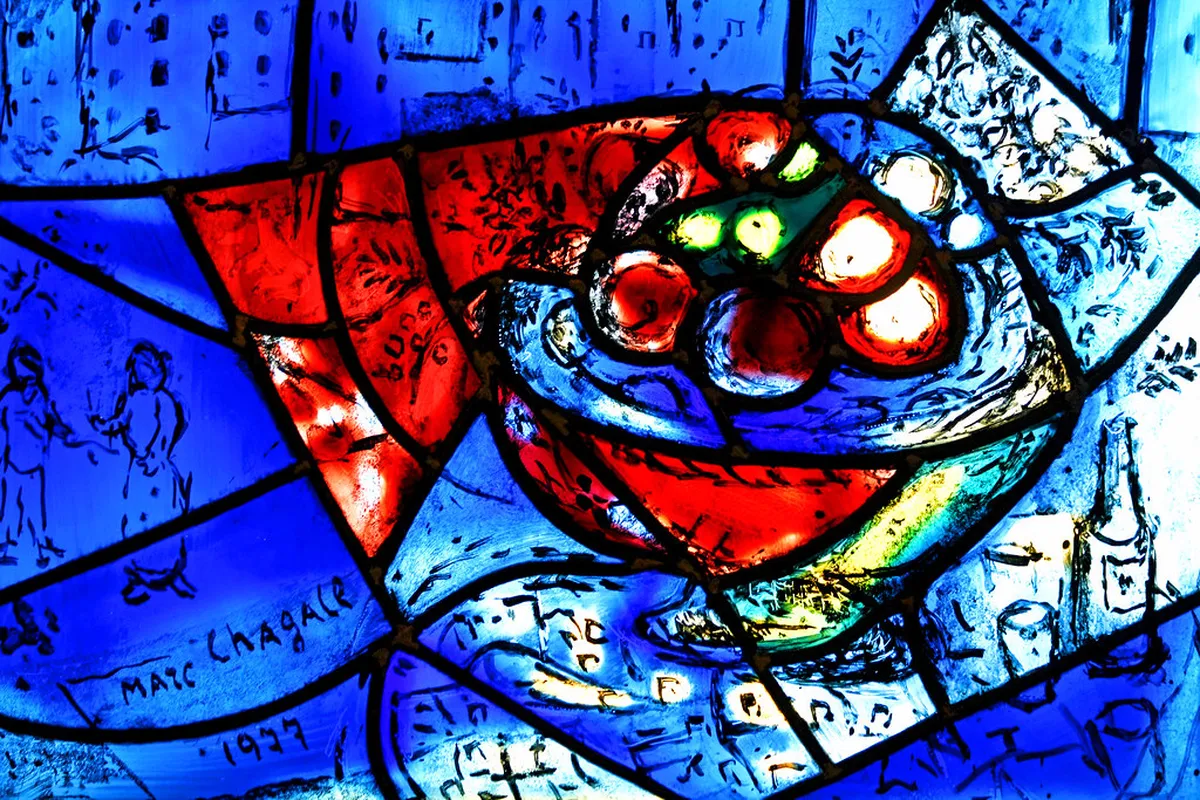
Stained glass windows also add to the symbolic religious feel. They depict scenes of local industry and imperial triumph. Light filtering through the glass creates a cathedral-like atmosphere. It makes the arrival experience feel very sacred and important.
Military Strength and Strategic Architecture
The symbolism in Metz station facade includes clear military themes. The building looks like a fortress from several different angles. This was a deliberate choice to show German military might. The thick walls and narrow windows suggest defensive positions.
The layout allowed for the rapid movement of troops and horses. Large platforms were built specifically for heavy military equipment. This functionality was hidden behind the beautiful stone decorations. The station was a tool for war as much as peace.
The clock tower is another symbol of power and order. It stands 40 meters high and dominates the local skyline. In the early 1900s, this tower showed technological superiority. Accurate timekeeping was essential for both trains and military movements.
You can see the influence of German castle architecture here. The towers look like those found in the Rhineland region. This reminded the people of Metz of their new rulers. It remains a striking example of psychological design in architecture.
The Role of the Iconic Jaumont Stone
The material used for the facade has its own symbolism. Most of the station uses grey and pink sandstone. This contrasted with the traditional Jaumont stone buildings found elsewhere in Metz. The yellow Jaumont stone is the hallmark of French architecture here.
Using different stone was a way to stand out visually. It made the German buildings look distinct from the French ones. This visual separation reinforced the political changes in the city. The colors of the building told a story of occupation.
The stone carvings are remarkably well-preserved even in 2025. You can still see the fine details in the animal figures. Gargoyles and mythical beasts decorate the roofline of the station. These figures were meant to ward off evil and misfortune.
The texture of the stone adds to the building's weight. It feels heavy and unmovable to anyone standing before it. This sense of weight was perfect for an imperial train station. It feels like a permanent anchor for the entire city.
Frequently Asked Questions
What is the main meaning behind the symbolism in Metz station facade?
The symbolism primarily represents the power of the German Empire. It uses Romanesque Revival styles to link to medieval history. The carvings project authority, military strength, and cultural dominance. It was designed to impress and intimidate travelers.
Who was the architect of the Gare de Metz?
Jurgen Kroger designed the station under the supervision of the Kaiser. He was a famous German architect of the period. His work combined historical styles with modern engineering needs. He succeeded in creating a building that felt timeless.
Are there guided tours for the symbolism in Metz station facade?
Yes, the local tourism office offers many guided walking tours. These tours explain the specific meanings of the statues and carvings. You can learn about the history of the Quartier Imperial. Most tours are available in French and English.
The symbolism in Metz station facade makes it a unique European treasure. It serves as a stone record of a complex political era. Travelers in 2025 should take time to study its grand details. This building bridges the gap between a palace and a station. Visit Metz today to experience this masterpiece of Gare de Metz architecture in person.
Key Takeaways
- The station was a political tool for Kaiser Wilhelm II.
- Romanesque Revival style was used to suggest imperial longevity.
- The use of sandstone contrasted with local French yellow stone.
- Military functionality was hidden behind artistic and religious carvings.
Related reads: architecturebycity.com.