
Opéra Comédie Facade Details: Montpellier Architecture
Explore Opéra Comédie facade details in Montpellier. Learn about Place de la Comédie architectural history and find expert travel tips for 2025 visitors.
On this page
Montpellier is home to many stunning landmarks that define the city's unique and artistic character. The Opéra Comédie facade details offer a fascinating glimpse into the rich history of the region. This magnificent building stands proudly on the main square of the vibrant historic city center. You will see grand stone carvings and elegant windows upon your arrival in early 2025.
The opera house represents the heart of local cultural life for both residents and visitors. It serves as a masterpiece of late nineteenth-century French architectural design and decorative style. Exploring the Place de la Comédie architectural history helps all visitors understand this landmark. The building anchors the entire square with its impressive size and many beautiful decorations.
Travelers often spend hours admiring the different textures and shapes found on the outer walls. Each section of the facade tells a story about the artistic trends of the late 1800s. You will find that the building changes its appearance as the sun moves across the sky. This guide provides all the specific details you need for a truly rewarding architectural visit.
The Context of Place de la Comédie Architectural History
The Opéra Comédie has stood as a central symbol of Montpellier since its completion in 1888. It was rebuilt after several fires destroyed the previous theater structures on this same historic site. Architect Joseph-Marie Cassien-Bernard designed the current building to reflect local prestige and immense civic wealth. His vision helped define the architecture in Montpellier for many decades following the grand opening.
The square itself provides a dramatic and open stage for this massive French limestone masterpiece. You will notice how the facade aligns perfectly with the wide and open urban space. This layout allows the intricate stone work to be seen from many great distances away. It creates a sense of arrival for everyone walking through the historic old city center.
The surrounding Haussmannian buildings in Montpellier complement the theater's grand and imposing appearance. These structures were built during the same era of significant urban expansion and modern growth. They feature similar stone work and balcony styles that unify the square's overall visual identity. Visitors can enjoy the harmony of these designs while sipping coffee at nearby outdoor cafes.
The opera house stands as a witness to the city's transformation into a modern cultural hub. Its facade has been carefully preserved to maintain the original artistic intent of the nineteenth century. Every renovation project aims to protect the delicate carvings from the effects of weather and time. This dedication to heritage ensures that the building remains a focal point for future generations.
Walking around the base of the building reveals the sheer scale of the massive stone blocks. The foundation was built to support a structure that could hold over one thousand eager spectators. You can feel the history of the square while standing beneath the tall and heavy arches. It is a place where the past and present of Montpellier meet in beautiful harmony.
Opéra Comédie Facade Details and Classical Sculpture
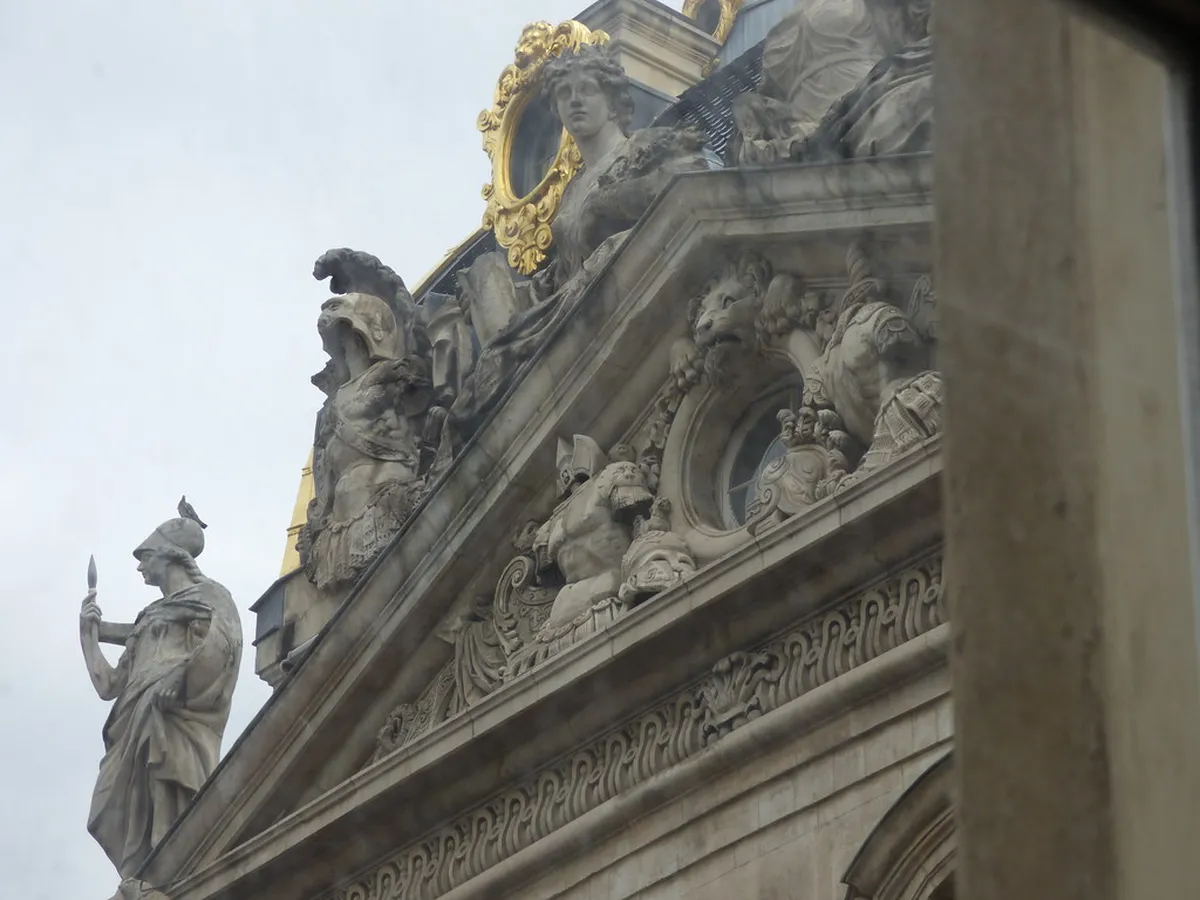
The front of the building features a stunning collection of classical and ornate stone sculptures. Look closely at the top pediment to see detailed carvings of several famous mythological figures. These statues represent music, tragedy, and comedy in various expressive and highly artistic poses. The craftsmanship shows the high level of skill possessed by many nineteenth-century French stone carvers.
Three massive arches dominate the lower level of the main entrance area of the theater. Each arch is decorated with ornate floral patterns and very intricate stone scrollwork designs. These grand entries invite guests into the opulent world of the traditional French performing arts. The perfect symmetry of these arches creates a balanced and very pleasing visual effect for onlookers.
You can find many stone masks and floral garlands decorating the spaces between the large windows. These small elements add significant depth and texture to the flat and pale limestone surfaces. They reflect the light differently throughout the day, creating changing shadows and very interesting shapes. Photographers often spend many hours capturing these tiny yet very important artistic facade features.
The upper levels of the facade feature statues that stand in specially designed decorative stone niches. Each figure is carved with distinct features and holds items related to the musical arts. These details were meant to educate the public about the importance of culture and theater. They remain some of the most photographed Opéra Comédie facade details for modern tourists today.
Consider the following artistic highlights when you examine the exterior of this grand opera house:
- The central pediment featuring the allegorical figures of the arts and drama.
- The stone balustrades that line the upper balconies with delicate and repetitive patterns.
- The ornamental frieze that runs across the middle section of the entire front facade.
- The carved keystones above each entrance arch showing different theatrical and comic masks.
Italian Renaissance and Parisian Influences in Design
The design of the facade draws very heavily from classical Italian Renaissance architectural styles. You will see grand Corinthian columns that rise up the entire height of the building. These columns provide a sense of strength and classical beauty to the massive stone exterior. They are very similar to designs found in famous opera houses across all of Europe.
Architect Cassien-Bernard was a talented student of Charles Garnier, the famous architect of the Paris Opera. This influence is clearly visible in the Opéra Comédie facade details that we see today. The use of multiple levels and many decorative niches mirrors the grand Parisian style. It brings a touch of metropolitan grandeur to the sunny and warm city of Montpellier.
The roofline features a large dome that sits directly behind the main front facade wall. This architectural element adds height and a very distinctive silhouette to the city's low skyline. The dome is covered in dark slate and accented with many metallic decorative trim pieces. It serves as a helpful beacon for people navigating the winding and narrow historic streets.
The use of light-colored limestone is a hallmark of the regional architecture found in southern France. This material allows for very fine detailing that would be impossible with harder types of stone. It also helps the building stay relatively cool during the long and hot Mediterranean summers. The stone has aged beautifully, taking on a warm and golden tone over many years.
Inside the niches, you might spot smaller carvings that pay homage to famous French composers. These subtle details were added to celebrate the nation's rich and diverse musical heritage. The architect wanted the building to be a total work of art from every angle. You will find something new to admire every time you walk past the theater.
Ornamental Windows and Wrought Iron Balcony Elements
The second floor features grand windows that allow natural light into the main entrance foyer. These windows are framed by stone balustrades and elegant curved pediments with small floral details. The glass reflects the vibrant and busy life of the square below every single day. This connection between the interior and the exterior is a key architectural design feature.
Wrought iron balconies wrap around the front and the sides of this very grand building. These dark metal details provide a sharp contrast to the light-colored and smooth limestone walls. They were originally built to accommodate wealthy patrons during the intervals of long musical performances. Today, they remain as beautiful examples of traditional French metalwork and craftsmanship techniques.
Each window is topped with a unique decorative stone carving or a small classical bust. These details ensure that every single part of the building feels carefully considered and planned. You will find many different expressions on the faces carved directly into the hard stone. These silent watchers have observed the city change for well over a century now.
The arrangement of the windows follows a strict rhythmic pattern across the entire front facade. This creates a sense of order and professional balance that is typical of classical French design. Each vertical line of windows is separated by a pair of tall and elegant columns. This structural repetition helps the large building feel more organized and less overwhelming to viewers.
Look for the small metal lanterns that are attached to the walls near the entrance. While these are modern additions, they are designed to match the original nineteenth-century aesthetic perfectly. They provide a soft glow that highlights the textures of the stone during the evening. These fixtures are part of the ongoing effort to maintain the building's historic charm.
Preservation and Modern Night Illumination in 2025
In 2025, the facade remains in excellent condition thanks to regular and very careful restoration. Specialist cleaners use gentle and modern techniques to preserve the delicate and porous limestone surfaces. These constant efforts ensure that the Opéra Comédie facade details stay visible for everyone to enjoy. Preservation is a high priority for the local government and many cultural heritage groups.
The building undergoes a magical and stunning transformation every evening when the warm sun sets. Modern LED lighting systems highlight the architectural features without causing any damage to the old stone. These lights focus on the columns, the statues, and the grand central stone pediment. It is a spectacular and memorable sight for anyone enjoying a night walk.
The artificial lighting reveals many textures that are sometimes hard to see in direct natural sunlight. You can clearly see the incredible depth of the stone carvings from across the square. This illumination makes the theater the main focal point of the city's active nightlife. It creates a romantic and historic atmosphere for all of the many evening visitors.
Restoration teams also work to repair any small cracks that may appear in the limestone surface. They use traditional lime-based mortars to ensure the repairs are invisible and also long-lasting. This careful attention to detail is why the building looks so fresh after many years. It remains one of the best-maintained examples of opera architecture in the entire country.
Future plans for the building include the installation of more energy-efficient and sustainable lighting options. These upgrades will reduce the environmental impact while still showcasing the building's incredible beauty. Technology is being used to protect history while also looking forward to the future. You can expect the theater to look even better during your next visit.
Best Times for Photography and Visiting Tips
The best time to photograph the facade is during the beautiful golden hour of the day. This occurs just before sunset when the light is very warm and remarkably soft. The limestone glows with a beautiful orange and pink hue during these quiet moments. It is the perfect time to capture the very fine stone facade details.
Morning light is also excellent for seeing the deep shadows on the many classical sculptures. The square is usually much less crowded during the early hours of the morning. You can stand far back to get a wide shot of the entire building. This helps show the impressive scale of the theater against the blue sky.
Avoid visiting during the middle of the day in the hot and sunny summer months. The high sun can be very harsh and create dark and distracting shadows on the stone. High temperatures in July and August can make outdoor exploring and walking quite difficult. Instead, choose the late afternoon for a much more comfortable and enjoyable walking experience.
Always check the local city schedule for festivals or large public events on the square. The square often hosts markets or concerts that might block your clear view of the facade. Planning your visit around these events ensures you get the very best possible photos. You can find many event calendars online before you arrive in beautiful Montpellier.
Consider taking a guided tour to learn more about the hidden features of the building. Guides often point out very small details that most casual visitors usually miss entirely. These stories add a layer of meaning to the beautiful and ancient stone carvings. You will leave with a much deeper appreciation for this incredible French landmark.
Frequently Asked Questions
What are the most famous Opéra Comédie facade details to see?
You should look for the massive Corinthian columns and the intricate sculptures on the pediment. The three grand entrance arches also feature delicate floral patterns carved directly into the limestone walls. These elements are the most recognizable features of the building.
Who designed the Opéra Comédie in Montpellier?
The building was designed by the talented French architect Joseph-Marie Cassien-Bernard. He was a student of Charles Garnier and completed the project in 1888. His design reflects the grand Parisian style of the late nineteenth century.
Is the Opéra Comédie facade different at night?
Yes, the facade is illuminated by a modern LED lighting system every single evening. This lighting highlights the statues and columns, creating a dramatic and very different visual experience. It is one of the most beautiful sights in the city center.
What material was used for the Opéra Comédie facade?
The facade is primarily constructed from high-quality light-colored limestone sourced from the local region. This stone is soft enough for detailed carving but durable enough to last centuries. It gives the building its iconic golden glow during the sunset.
The Opéra Comédie remains a true masterpiece of architectural design and historic preservation in Montpellier. Its intricate facade details provide a window into the artistic ambitions of the nineteenth century. Whether you visit during the day or at night, the building never fails to impress. Make sure to include this landmark in your 2025 travel plans to southern France.
Take your time to explore the square and appreciate the harmony of the surrounding buildings. The theater is not just a place for music but a monument to French culture. You will find that the stone walls hold many stories waiting to be discovered. Plan your visit today and experience the architectural beauty of the Place de la Comédie architectural history in person.
Key Takeaways
- Visit during the golden hour for the best photography of the limestone facade.
- Look for the three grand arches and the Corinthian columns on the main entrance.
- Check the local event schedule to avoid crowds and market stalls on the square.
- The building was designed by Joseph-Marie Cassien-Bernard and opened in 1888.
Related reads: architecturebycity.com, three graces fountain montpellier, antigone district architecture.