
Saint-Clément Aqueduct Engineering in Montpellier
Explore the Saint-Clément Aqueduct engineering in Montpellier. Learn about this 18th-century masterpiece at Promenade du Peyrou. Plan your 2025 visit today!
On this page
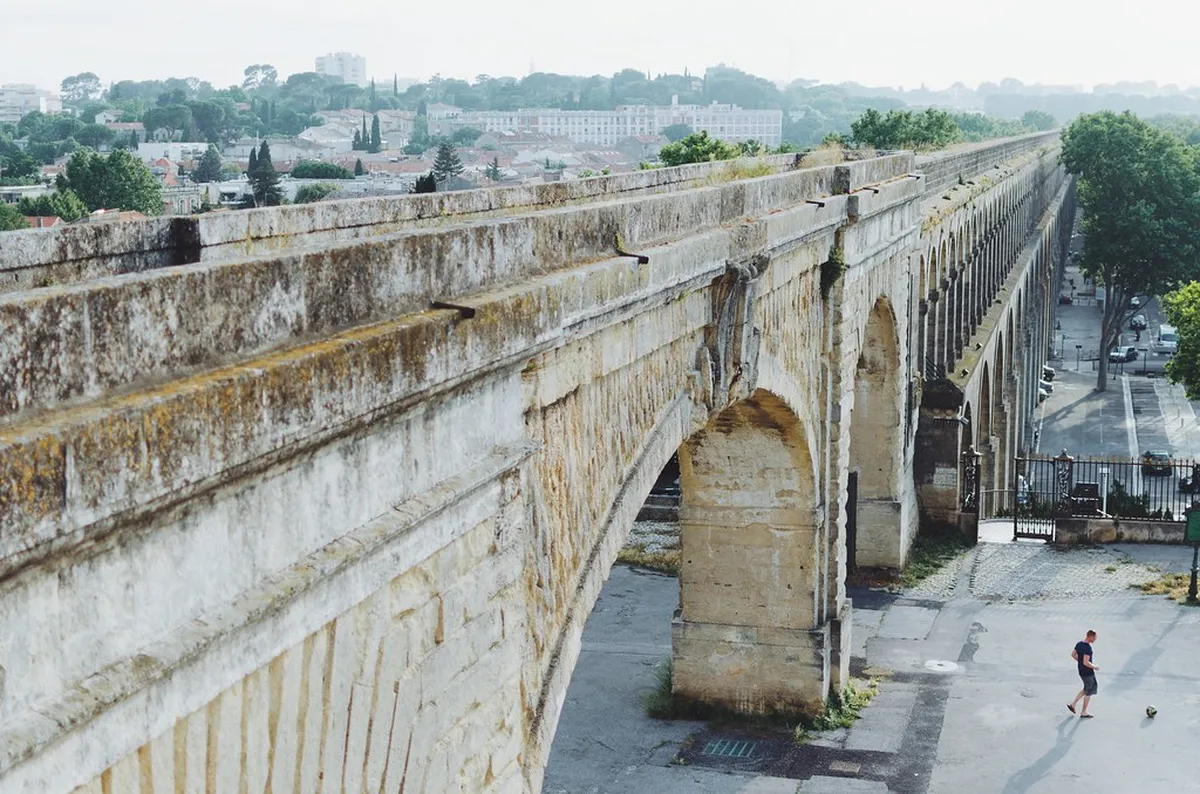
Montpellier boasts many historic wonders that draw thousands of visitors. The Saint-Clément Aqueduct engineering stands out as a true masterpiece of 18th-century design. This structure transformed the city's water supply in 1754. Visitors today admire its stunning double-arched stone design.
It remains one of the most iconic Promenade du Peyrou landmarks today. This site offers breathtaking views of the city skyline. You can walk along the base in the Les Arceaux district. It is a perfect spot for photography in 2025.
Historic Design of the Les Arceaux
The Saint-Clément Aqueduct engineering began in 1754 under the direction of Henri Pitot. Pitot was a famous engineer known for his studies on fluid flow. He designed the structure to solve Montpellier's water shortage problems. The project took nearly twelve years to finish completely.
The aqueduct stretches across the Les Arceaux neighborhood for about 800 meters. It features a unique double-row of arches made from local stone. This design provided both strength and aesthetic beauty to the city. The lower arches are heavy while the upper ones are lighter.
Construction required immense labor and precise mathematical calculations for the era. Workers carved large stone blocks by hand to ensure a perfect fit. The gradient had to be very precise to move water correctly. These technical details make it a highlight for history buffs.
Today, the area under the arches hosts a lively local market. You can find fresh produce and antique goods every Tuesday and Saturday. The structure provides a historic backdrop for modern community life. It serves as a bridge between the past and present.
Saint-Clément Aqueduct Engineering Secrets
Understanding the Saint-Clément Aqueduct engineering requires looking at the source of the water. The water traveled from the Saint-Clément spring located fourteen kilometers away. Gravity alone pulled the water across the French countryside. This feat required a consistent and gentle downward slope.
Engineers had to overcome valleys and hills to maintain the water flow. They used the double-arched design to span the deepest parts of the valley. Each stone was carefully placed to ensure the structure could withstand weight. The durability of the stone has lasted for centuries.
The aqueduct delivered over 2,000 cubic meters of water every single day. This supply allowed Montpellier to build beautiful fountains across the city. It improved public health and sanitation for the growing local population. The engineering success paved the way for urban expansion.
Technical highlights include the following features of the structure:
- Double-tier arch system for stability
- Precisely calculated gravity flow system
- Locally sourced limestone for weather resistance
- Ornate finishing on the stone surfaces
Connection to the Peyrou Water Tower
The aqueduct ends at the magnificent Château d’Eau du Peyrou water tower. This hexagonal pavilion is a masterpiece of neoclassical architecture in France. It serves as the final distribution point for the water. The tower looks like a small temple overlooking the gardens.
The water tower features beautiful Corinthian columns and stone carvings. It sits at the highest point of the Promenade du Peyrou. From here, water flowed down to the city's many fountains. This connection shows the integration of engineering and high art.
Visitors can walk around the basin at the base of the tower. The views of the aqueduct from this height are truly spectacular. You can see how the arches march across the modern district. It is a great place to relax in 2025.
The entire system remains a symbol of civic pride for Montpellier. It shows how the city valued both function and visual beauty. Maintaining this site requires careful preservation of the old stone. It stands as a testament to the skill of 18th-century builders.
Exploring Montpellier’s Architectural Legacy
The aqueduct is just one part of the rich architecture in Montpellier. The city blends medieval streets with grand 18th-century squares. You can find the Porte du Peyrou arch nearby the aqueduct. This triumphal arch celebrates the reign of King Louis XIV.
Walking from the aqueduct to the city center reveals many styles. You will see gothic churches and modern glass buildings in harmony. The city has grown significantly around its historic core over time. Every street tells a story of different eras and tastes.
The Les Arceaux district offers a unique atmosphere for travelers today. You can enjoy coffee at local cafes beneath the historic stone. The contrast between ancient arches and modern life is very striking. It remains a favorite spot for local residents and tourists.
If you visit in 2025, bring comfortable walking shoes for the journey. The walk from the aqueduct to the city center is scenic. You will pass by many historic mansions and lush green gardens. Montpellier is a city designed for walking and exploring.
Frequently Asked Questions
Who was the engineer behind the Saint-Clément Aqueduct?
Henri Pitot was the primary engineer for the Saint-Clément Aqueduct. He began the project in 1754 to improve the city's water. Pitot used his expertise in hydraulics to create the gravity system. The work was later completed by Jean-Antoine Giral.
How long is the Saint-Clément Aqueduct in Montpellier?
The visible part of the aqueduct spans approximately 800 meters. However, the entire water system stretched over 14 kilometers total. It carried water from the Saint-Clément spring to the city center. Most of the structure remains intact for visitors to see.
Can you visit the Saint-Clément Aqueduct for free?
Yes, visiting the Saint-Clément Aqueduct and the Promenade du Peyrou is free. It is a public park area that is open daily. You can walk along the arches at any time. The local market on Tuesdays and Saturdays is also free.
Where is the best view of the aqueduct arches?
The best views are from the Promenade du Peyrou gardens. Look westward from the water tower pavilion for a panoramic view. You can also get great photos from the Les Arceaux market. The sunset creates beautiful shadows through the double arches.
The Saint-Clément Aqueduct engineering remains a highlight of any trip to Montpellier. It combines technical brilliance with stunning visual design for all to see. Make sure to visit this site on your 2025 French holiday. You will gain a deep appreciation for the city's rich history.
Key Takeaways
- The aqueduct was designed by Henri Pitot in 1754.
- It features 800 meters of double-arched stone in Les Arceaux.
- The structure connected a 14km water source to the city center.
- The Château d'Eau serves as the terminal point of the system.
Related reads: architecturebycity.com.