
Château d'eau du Peyrou Water Tower Guide 2025
Explore the Château d'eau du Peyrou water tower in Montpellier. Discover history, architecture, and 2025 travel tips for this iconic landmark.
On this page
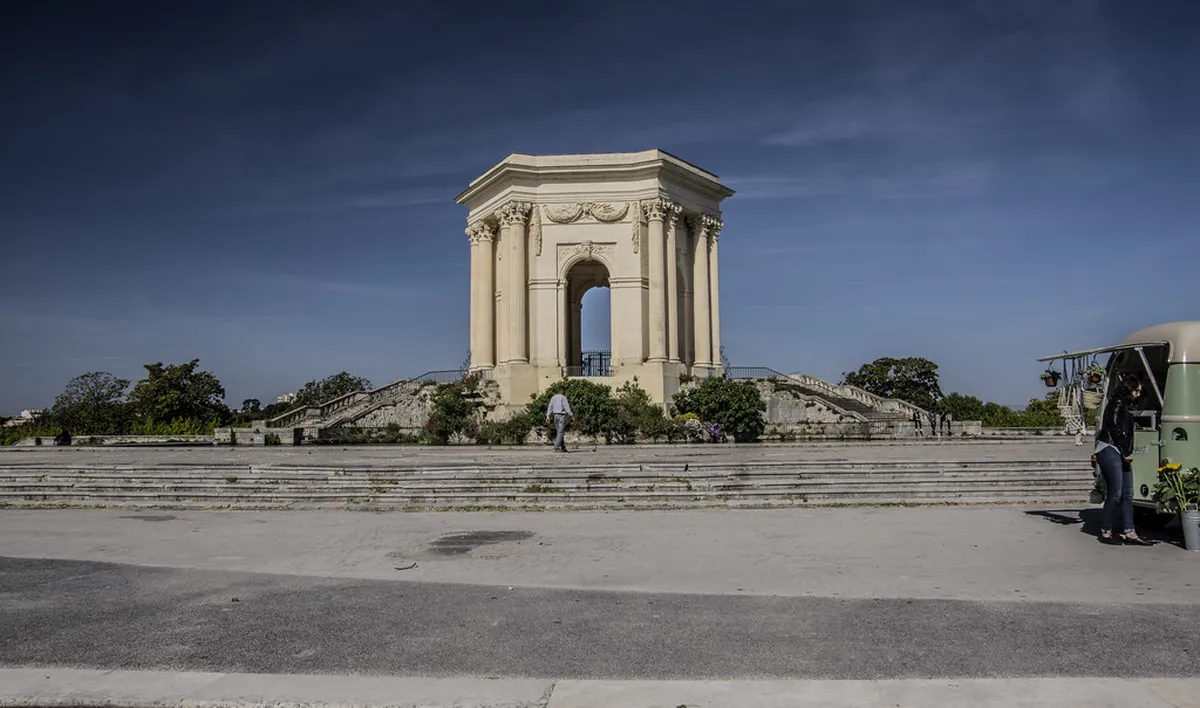
The Château d'eau du Peyrou water tower stands as a crown jewel in Montpellier. This stunning monument dominates the western edge of the famous promenade gardens. Visitors flock here to see the perfect blend of engineering and royal art. It remains one of the most photographed Promenade du Peyrou landmarks today.
The structure serves as a functional masterpiece from the late 18th century. It once provided essential fresh water to the growing city population. Today, it offers breathtaking views of the surrounding gardens and distant mountains. Travelers visiting in 2025 will find this historic site well-preserved and welcoming.
History of the Château d'eau du Peyrou
Construction of the water tower began during the mid-1700s in France. King Louis XIV ordered the creation of this impressive civic space. The royal engineer Jean-Antoine Giral designed this elegant hexagonal stone structure. He wanted to combine practical utility with royal grandeur for the city.
The tower was officially completed in 1768 after years of hard work. It acted as the final destination for the city's main water system. This system brought fresh water from springs located many kilometers away. It solved a major water shortage crisis for Montpellier's growing resident population.
The landmark represents the Age of Enlightenment's focus on public health. Civic leaders prioritized clean water access for all urban citizens during this time. This project demonstrated the power and wealth of the French monarchy. It stands as a testament to the city's long-standing architectural ambition.
Throughout the centuries, the tower has survived numerous urban changes. It remains a focal point for locals and international tourists alike. The surrounding park provides a peaceful escape from the busy city streets. Modern preservation efforts ensure its beauty lasts for future generations to enjoy.
Architectural Features of the Water Tower
The architectural design of the water tower is truly unique and grand. It features a hexagonal shape inspired by classical ancient Roman temples. Corinthian columns adorn the exterior, providing a sense of timeless European elegance. The structure sits gracefully above a wide stone basin filled with water.
Architect Jean-Antoine Giral chose premium limestone for this monumental public project. The warm colors of the local stone glow during the golden hour. Intricate carvings decorate the frieze and the upper parts of the tower. These details highlight the high level of craftsmanship in 18th-century France.
A magnificent stone staircase wraps around the base of the tower structure. This allows visitors to view the building from many different artistic angles. The reflection in the surrounding pool creates stunning visual symmetry for photographers. Every element was carefully planned to impress and inspire the local viewer.
The interior once housed a massive cistern for storing the city water. While the interior is often closed, the exterior remains absolutely spectacular. Its height allows it to be seen from various points in Montpellier. It acts as a lighthouse of history within the modern urban landscape.
The Role of the Saint-Clément Aqueduct
The tower functions as the endpoint for the Saint-Clément Aqueduct engineering marvel. This massive structure spans across the valley to reach the Peyrou gardens. It features two tiers of arches inspired by the ancient Pont du Gard. The engineering precision required for this water flow was truly groundbreaking.
Gravity alone moved the water from the springs to the Peyrou tower. The slight slope of the stone channels ensured a steady water supply. Engineers calculated the descent perfectly to avoid any loss of water pressure. This system provided nearly 2,000 cubic meters of water daily to Montpellier.
The aqueduct is approximately 800 meters long within the city limits. It connects directly to the back of the Château d'eau structure. This connection represents a seamless marriage of two different architectural styles. One is purely functional, while the other is highly decorative and royal.
Visiting the aqueduct is a great addition to your Peyrou walking itinerary. You can walk along the base of the towering historic stone arches. It offers a unique perspective on how the city developed its infrastructure. The scale of the construction is best appreciated from the ground level.
Exploring the Surrounding Peyrou Gardens
The water tower sits within the beautiful Promenade du Peyrou public gardens. These gardens offer a spacious terrace with views of the Pyrenees Mountains. You will find a large statue of King Louis XIV nearby. This statue honors the monarch who helped shape the city's modern identity.
Lush trees and manicured lawns surround the central stone monument today. It is a favorite spot for locals to enjoy a sunny afternoon. You can find many benches located along the shaded gravel walking paths. The park provides a perfect setting for a relaxed picnic with friends.
The gardens also host a popular flea market every Sunday morning. Vendors sell antique goods and local crafts in this historic setting. It is a wonderful way to experience the local culture of Montpellier. You might find a unique souvenir while exploring the garden grounds.
The entrance to the gardens is marked by the Arc de Triomphe. This gateway connects the park to the historic city center streets. It is one of the many examples of architecture in Montpellier worth seeing. Walking through the gate feels like stepping back into French history.
Visiting Montpellier’s Historic Landmark in 2025
Planning a trip to see the water tower in 2025 is simple. The Promenade du Peyrou is open to the public every single day. There is no entrance fee to enter the gardens or view the tower. This makes it an excellent budget-friendly activity for all travelers.
The park typically opens at 7:30 AM and closes at sunset daily. Early morning visits offer the quietest experience for peaceful contemplation. You can avoid the large tour groups that arrive after 10:00 AM. Weekend afternoons are usually the busiest times for local French families.
The area is easily accessible via the city's modern tramway system. Line 4 stops directly at the Peyrou - Arc de Triomphe station. From there, it is a short, flat walk to the water tower. The paths are well-maintained and suitable for visitors with limited mobility.
Many people combine this visit with a look at other historic sites. The nearby Faculty of Medicine is another architectural wonder to explore. You can spend an entire afternoon walking through this historic district. The area is filled with charm and impressive stone building designs.
Best Photography Tips for the Peyrou Site
Photographers will find endless inspiration at the Château d'eau du Peyrou. The best lighting occurs during the hour before the sun sets. The setting sun casts a warm orange glow on the limestone walls. This creates a magical atmosphere that is perfect for landscape shots.
Try capturing the reflection of the tower in the surrounding water basin. Using a wide-angle lens helps include the entire hexagonal structure. You can also focus on the intricate Corinthian capitals for detail. The symmetry of the site allows for many creative composition options.
The view looking back towards the city is equally impressive here. You can see the spire of the St. Pierre Cathedral from the terrace. The Saint-Clément Aqueduct stretching into the distance is another great subject. Make sure to bring a tripod if you shoot at twilight.
Be respectful of other visitors while setting up your camera equipment. The promenade is a popular spot for locals to relax and socialize. Avoid blocking the main pathways during the busy weekend morning hours. Most people are happy to wait while you finish your shot.
Frequently Asked Questions
Is the Château d'eau du Peyrou free to visit?
Yes, visiting the exterior and the surrounding promenade is completely free. You can walk around the entire monument without paying any fees. It is one of the best free attractions in Montpellier.
Where is the water tower located in Montpellier?
The tower is located at the western end of the Promenade du Peyrou. This is situated right near the historic Arc de Triomphe gateway. It is very easy to find from the city center.
Can you go inside the water tower structure?
The interior is usually closed to the general public for safety. Visitors can enjoy the stunning architectural details from the exterior staircases. The best views are found from the surrounding garden terraces.
When was the Château d'eau du Peyrou built?
Construction was completed in 1768 by the architect Jean-Antoine Giral. It was designed to serve as the endpoint for the aqueduct. The structure has been a city landmark for centuries.
The Château d'eau du Peyrou water tower remains a symbol of elegance. It perfectly combines 18th-century engineering with classical architectural beauty today. Visitors in 2025 should not miss this iconic landmark during their travels. The site offers history, views, and a peaceful atmosphere for everyone. Make sure to visit at sunset for the most memorable experience.
Key Takeaways
- Admission to the tower and gardens is completely free.
- The best time for photography is during the golden hour.
- Access the site easily via tram Line 4 at Peyrou station.
Related reads: architecturebycity.com, porte du peyrou arc de triomphe, antigone district architecture.