
Magasins Réunis History: Nancy Art Nouveau Gem
Explore the rich Magasins Réunis history and Art Nouveau heritage. Learn about this Nancy landmark in 2025 with our expert guide and travel tips.
On this page
Exploring the Magasins Réunis history reveals the deep artistic soul of Nancy. This iconic department store once served as the commercial heart of the entire region. Visitors today still marvel at the grand architecture and rich heritage of the building. It represents a time when shopping became a true cultural and artistic experience.
The store was more than just a place to buy goods for local residents. It stood as a symbol of progress and modern design in eastern France. The Corbin family created a legacy that still influences the city of Nancy today. You will find this landmark right across from the busy main train station.
Nancy remains a top destination for those who love European history and architecture. The city offers a unique glimpse into the famous Belle Époque era of the past. Our guide explores the fascinating evolution of this retail giant through the many decades. Discover why this building remains a vital piece of the French urban landscape.
Origins of the Magasins Réunis History
The Magasins Réunis history began when Antoine Corbin opened a small shop in 1867. This humble textile business quickly grew because of his innovative and modern retail strategies. He focused on offering a wide range of products at very fair prices. This approach attracted many customers from all social classes within the growing city.
Antoine Corbin wanted to provide a shopping experience that felt accessible to everyone. He introduced the concept of fixed prices which was quite revolutionary at the time. Shoppers appreciated the transparency and the high quality of the goods on offer. The business soon outgrew its original location due to this massive local success.
The family decided to move the store to a larger space in 1890. They chose a strategic location near the train station to capture more foot traffic. This move helped the store become the primary shopping destination for the entire area. It served both the local citizens and travelers arriving from distant French cities.
Henri Corbin took over the business management from his father in later years. He shared the same passion for commerce and the beautiful decorative arts of Nancy. Henri believed that a department store should also function as a public art gallery. He began planning a massive expansion that would showcase the best local talent.
The growth of the company mirrored the industrial expansion of Nancy during this period. Many people moved to the city to find work in new and exciting industries. Magasins Réunis provided these new residents with everything they needed for their modern homes. The store became an essential part of daily life for thousands of people.
Architectural Evolution and Art Nouveau Style
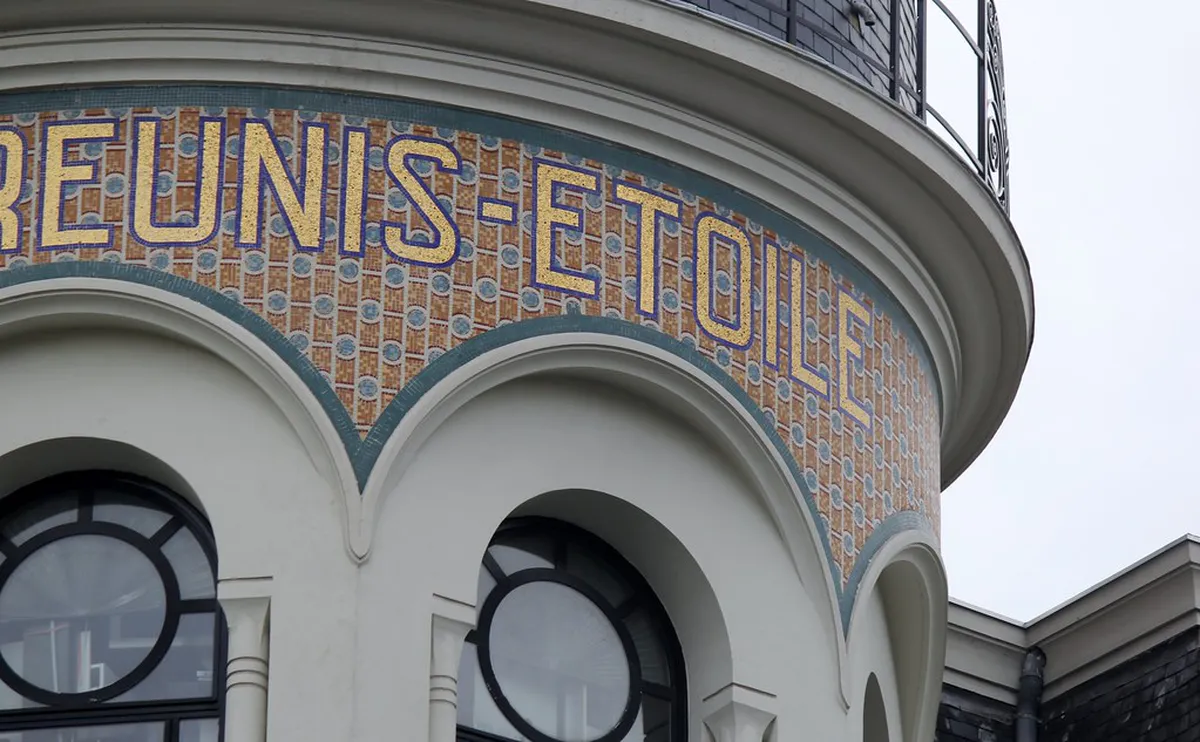
The building is a masterpiece of Nancy commercial Art Nouveau design from the early 1900s. Architect Lucien Weissenburger led the ambitious project to create a brand new flagship store. He wanted the structure to reflect the natural beauty found in the local landscape. The design featured flowing lines and organic shapes inspired by plants and flowers.
Construction began on the grand new building during the peak of the Belle Époque. The facade displayed incredible stonework and decorative iron elements made by local master craftsmen. Large glass windows allowed natural light to pour into every floor of the store. This created a bright and welcoming atmosphere for shoppers to enjoy their day.
Artists from the city worked together to decorate the interior with stunning glasswork. They used vibrant colors and complex patterns to make the sales floors look magical. The grand staircase was a central feature that left every visitor in complete awe. It showed the perfect harmony between modern engineering and traditional decorative arts.
The exterior of the building served as a massive advertisement for the store itself. Its unique shape and artistic details made it stand out from surrounding urban structures. People would travel from far away just to see the incredible architecture in person. It helped define the visual identity of Nancy as a city of art.
You can still admire many of these original architectural details in the year 2025. The upper floors retain much of the charm from the initial construction period. Walking past the building today feels like taking a step back into history. It remains a powerful reminder of the creative energy that once fueled Nancy.
The Golden Age of Retail in Nancy France
The early twentieth century was the most successful era for the Corbin family. Magasins Réunis became the largest and most famous department store in eastern France. It employed hundreds of local workers and supported many small craft workshops nearby. The store had a significant impact on the economic health of the region.
The management organized grand exhibitions to showcase the latest creations from the École de Nancy movement today. These events allowed artists to reach a much wider audience through a commercial space. Customers could buy high-quality furniture and glassware designed by world-famous masters of art. This connection between art and industry was a core value of the store.
Shoppers in Nancy could find almost anything they needed within the store walls. They sold luxury clothing, exotic spices, and the latest household appliances for modern living. The store also featured a tea room and areas for social gatherings. It became the social center of the city for many decades of growth.
The Corbins also focused on the well-being and education of their many employees. they built affordable housing and provided medical care for the people who worked there. This social responsibility was quite advanced for the early years of the twentieth century. It created a loyal workforce that helped the business thrive for many generations.
Innovation remained a key part of the store's identity during this golden age. They were among the first to use electric lighting throughout the entire building. The store also used modern delivery trucks to bring goods to customers' homes. These advancements kept them ahead of all their competitors in the retail market.
Challenges and Rebuilding After the Great Fire
The store faced a terrible disaster during the middle of World War I. A massive fire broke out in 1916 after a heavy military bombardment nearby. The flames spread quickly through the building and destroyed most of the beautiful interior. This event was a heartbreaking loss for the Corbin family and the city.
The community mourned the loss of such an important cultural and commercial landmark. However, the Corbins were determined to rebuild the store as quickly as possible. They began making plans for a new structure even before the war had ended. This resilience showed the strength of the family and their commitment to Nancy.
The new building design moved toward the emerging styles of the early 1920s era. Architects used concrete and steel to ensure the new store was completely fireproof. This shift marked a transition from Art Nouveau to the sleeker Art Deco style. The new facade looked more modern and featured geometric patterns and clean lines.
Reconstruction was completed by 1925 and the store opened to the public once again. Thousands of people attended the grand reopening to celebrate the return of their favorite shop. The new interior was spacious and included the most modern retail features of the time. It proved that the store could survive even the most difficult challenges.
The mix of architectural styles makes the building very interesting for students of history. You can see how design trends changed between the two major construction phases. Some original Art Nouveau elements were saved and integrated into the newer Art Deco sections. This blend of styles creates a unique visual story of survival and change.
Modern Transformation and the Printemps Era
The store continued to operate under the Corbin family name for several more decades. However, the retail landscape in France began to change significantly after World War II. Large national chains started to dominate the market and independent stores faced new pressures. The family eventually decided to join a larger retail group to ensure survival.
The building became part of the famous Printemps department store chain in the 1980s. This transition brought a new brand and modern shopping concepts to the historic space. While the name changed, the building remained a vital part of Nancy's city center. It continued to attract shoppers with its grand scale and prime central location.
Major renovations took place to update the interior for the needs of modern shoppers. Designers worked hard to preserve the historic character while adding contemporary retail fixtures. Today, you will find luxury brands and the latest fashion trends inside the store. It remains a premier destination for high-end shopping in the city of Nancy.
The building is located at 2 Avenue Foch, which is very easy to find. It is open from Monday to Saturday, usually from 10:00 AM to 7:00 PM daily. Visitors can enter the store for free to admire the remaining historical design elements. It is a perfect place to spend an afternoon exploring French style.
The legacy of the Corbin family is still remembered by many locals in the city. Their vision for a grand department store helped shape the modern identity of Nancy. The building stands as a monument to their hard work and artistic passion. It remains a true landmark of French commercial history and urban development.
Artistic Collaborations and Design Details
The store was famous for its close ties with the most talented local artists. Many designers from the nearby Villa Majorelle contributed to the store's unique look. Louis Majorelle himself designed furniture that was sold exclusively within the sales departments. This allowed ordinary people to own beautiful pieces of high-quality art furniture.
Glass artists like Daum and Gallé also had a strong presence in the store. Their intricate vases and lamps were displayed like museum pieces in the grand windows. These collaborations helped spread the fame of Nancy's artists throughout all of Europe. The store acted as a vital bridge between the artist's studio and the public.
The use of local materials was another important part of the building's design. Craftsmen used stone from nearby quarries to build the sturdy and decorative exterior walls. This supported the local economy and ensured the building felt connected to the region. Every detail of the construction was carefully planned to showcase local excellence.
Intricate mosaics and floor tiles can still be seen in certain parts of the building. These features have survived for over a century despite the heavy daily foot traffic. They show the incredible durability and quality of the original construction work and materials. The attention to detail in every corner of the store is truly impressive.
The building serves as a living museum for those interested in the history of design. You can see how art was integrated into every aspect of the commercial experience. It provides a valuable lesson in how to create beautiful and functional public spaces. This artistic heritage continues to inspire designers and architects in the modern world.
Frequently Asked Questions
What is the Magasins Réunis history in Nancy?
The store was founded in 1867 by the Corbin family and became a retail giant. It is famous for its Art Nouveau architecture and its role in the city's growth. The building survived fires and wars to remain a central landmark in Nancy today.
Who designed the Magasins Réunis building?
Architect Lucien Weissenburger designed the main structure in the early 1900s. He collaborated with many artists from the École de Nancy to create the decorative elements. The building features a mix of Art Nouveau and later Art Deco styles from rebuilding.
Is Magasins Réunis still open for shopping today?
The building now houses the Printemps department store and is open to the public. You can visit from Monday to Saturday to shop and see the historic architecture. It is located directly across from the Nancy train station for easy access.
Why is the building historically significant?
It represents the peak of commercial Art Nouveau and the vision of the Corbin family. The store was a pioneer in modern retail and supported local artists for many years. It remains one of the most important architectural landmarks in eastern France.
The Magasins Réunis history is a story of artistic passion and commercial success. This building remains a shining example of how art can enhance our daily urban lives. Whether you love shopping or architecture, this landmark is a must-see destination in Nancy. Plan your visit in 2025 to experience this beautiful piece of French heritage for yourself.
Key Takeaways
- Founded by the Corbin family in 1867 as a modern retail pioneer.
- A masterpiece of Nancy Art Nouveau and Art Deco architectural styles.
- Survived a major fire in 1916 and was successfully rebuilt by 1925.
- Currently houses the Printemps department store near the Nancy train station.
Related reads: architecturebycity.com, architecture in nancy, brasserie excelsior interior architecture.