
Brasserie Excelsior Interior Architecture in Nancy
Discover stunning Brasserie Excelsior interior architecture in Nancy. See this Art Nouveau gem in 2025. Plan your trip to France today!
On this page
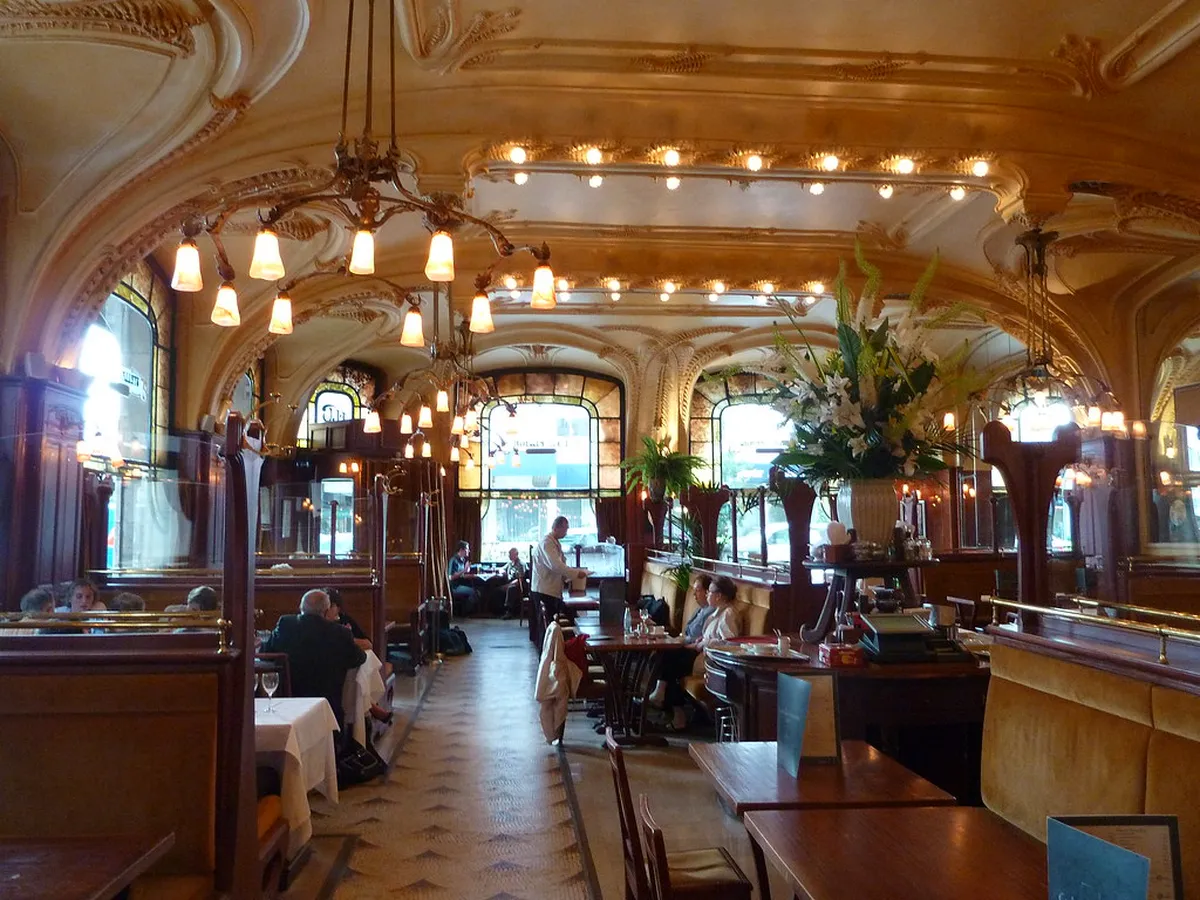
The Brasserie Excelsior stands as a beacon of French heritage in the heart of Nancy. It showcases the incredible Brasserie Excelsior interior architecture found in this historic city today. This magnificent venue captures the essence of the Belle Époque for every visiting guest. Visitors often feel transported back to the early 1900s upon entering the grand hall.
The restaurant first opened its doors in 1911 to welcome travelers from the train station. It remains one of the most famous examples of the Art Nouveau style in Europe. You will find intricate details in every corner of this legendary and beautiful space. Plan your visit in 2025 to experience this architectural masterpiece in person very soon.
A Masterpiece of Nancy Commercial Art Nouveau
The historical significance of this site cannot be overstated by modern historians in France today. It serves as a primary example of the Nancy commercial Art Nouveau style for all visitors. The building first welcomed weary travelers coming from the nearby and very bustling train station. Early visitors marveled at the grand scale and the luxury of the large dining room.
Architects Lucien Weissenburger and Alexandre Mienville designed the structure with great care and artistic vision. They wanted to create a space that reflected the wealth and culture of the region. The exterior features elegant stone carvings that hint at the beauty waiting inside the doors. You can see the influence of nature in every curve of the stone facade here.
The interior design was a collaborative effort between the greatest artists of the famous local school. These craftsmen worked together to ensure that every element was harmonious and visually stunning for guests. Their goal was to create a total work of art that engaged all the senses. This approach was common during the height of the artistic movement in the city.
Today, the brasserie maintains its original charm while serving as a functional and popular local restaurant. It has survived two world wars and several changes in ownership over the last century. Preservation efforts have ensured that the original materials remain in excellent condition for future generations. You can still see the authentic spirit of 1911 in the dining room today.
Walking into the main hall feels like stepping into a living museum of early twentieth-century design. The high ceilings and open floor plan create a sense of grandeur and sophisticated elegance. Light fills the space during the day to highlight the many different textures and colors. It is a must-visit location for anyone interested in the history of European design.
The Influence of the Ecole de Nancy Movement
The interior details are a direct result of the famous Ecole de Nancy movement active during that era. This group of artists sought to bring art into every aspect of daily human life. They drew inspiration from the natural world, including local plants, flowers, and even small insects. You can see these themes reflected in the woodwork and the delicate plaster decorations.
Louis Majorelle was responsible for the exquisite furniture and the dark wood paneling found throughout. He was a master cabinetmaker who defined the aesthetic of the period with his creative work. The chairs and tables feature the signature flowing lines that characterize the Art Nouveau movement here. Each piece was designed specifically for this space to create a unified and beautiful look.
The woodwork uses high-quality materials that have aged beautifully over the many decades of constant use. Mahogany and oak provide a warm and inviting backdrop for the more colorful decorative elements nearby. You should take a moment to admire the carvings on the legs of the tables. These small details demonstrate the incredible skill of the artisans who built this grand interior.
The collaboration between different artistic disciplines is what makes the interior of the Excelsior truly unique. Woodworkers, glassmakers, and stone masons all shared the same creative vision for this specific project. This unity of design is a hallmark of the school that made this city famous. It created an environment where art and function exist together in perfect and total harmony.
Even the coat racks and light switches were designed to match the overall theme of the room. Nothing was left to chance by the architects and designers who worked on this historic project. This level of detail is rare in modern construction and adds to the special atmosphere. It reminds us of a time when craftsmanship was valued above all other building considerations.
Stained Glass Artistry by Jacques Grüber
One of the most striking features is the series of large and colorful stained-glass windows. These masterpieces were created by Jacques Grüber, a leading figure in the art of decorative glass. He used a variety of techniques to create depth and texture in each unique window panel. The windows depict scenes from nature that change as the sun moves across the sky.
During the day, the light filters through the glass to bathe the room in gold. This natural illumination highlights the intricate patterns on the mosaic floors and the polished wooden surfaces. The colors range from deep greens and blues to vibrant oranges and soft yellow tones. It creates a magical atmosphere that enhances the dining experience for every guest present.
Grüber was known for his ability to translate the beauty of the Lorraine countryside into glass art. You can see depictions of pine branches, honesty flowers, and other local flora in his work. These designs bring the outdoors inside and create a connection with the local French landscape. The windows are protected by outer layers of glass to ensure their continued long-term survival.
The scale of the glasswork is truly impressive and spans the entire length of the hall. It serves as a visual focal point that draws the eyes of everyone who enters. Many visitors spend several minutes simply admiring the complexity of the lead lines and the glass. It is a testament to the artistic ambition of the people who built the brasserie.
In the evening, the windows are lit from the inside to create a different visual effect. They glow against the dark night sky and invite people into the warmth of the restaurant. This clever use of light shows the foresight of the designers who planned the building layout. The glass remains the most photographed part of the entire interior for modern tourists.
Exquisite Ceilings and Mosaic Floor Designs
The floor of the Brasserie Excelsior is a massive and intricate mosaic made of tiny stone pieces. These mosaics feature floral patterns that guide the movement of guests through the large dining space. The colors of the floor complement the tones found in the woodwork and the glass. It is a durable surface that has withstood millions of footsteps over the last century.
Looking upward, the ceiling features elaborate plasterwork that mimics the organic shapes found in nature today. These curves and swirls create a sense of height and lightness in the very large room. The plaster was applied by hand by skilled workers who specialized in decorative interior finishes then. It remains in perfect condition thanks to careful restoration work performed by the current owners.
The transition between the walls and the ceiling is seamless and follows the Art Nouveau philosophy. Every surface is integrated into the overall design to avoid any harsh or straight visual lines. This creates a soft and welcoming environment that feels organic and alive to the observer. You can spend hours looking up and finding new details in the plaster decorations.
Large chandeliers hang from the ceiling to provide a soft and warm glow during the evening hours. These fixtures were also designed in the Art Nouveau style to match the rest of the room. They use curved metal arms and glass shades that look like blooming flowers or plants. The lighting is an essential part of the architectural experience in this historic French venue.
The combination of the mosaic floor and the decorative ceiling anchors the entire design of the space. It provides a frame for the furniture and the windows to shine as individual works of art. This balanced approach to interior design is what makes the Excelsior so aesthetically pleasing today. It is a masterclass in how to use different materials to create a unified theme.
Practical Tips for Your 2025 Visit
If you plan to see the architecture in Nancy, the Excelsior should be your first important stop. The restaurant is located at 50 Rue Henri-Poincaré, right next to the main train station. It is open every day from 8:00 AM until 11:00 PM for your convenience. You can visit for a full meal or just a coffee and a pastry.
A three-course meal will usually cost between thirty-five and fifty Euros per person in 2025. This is a reasonable price for the quality of the food and the stunning setting. We recommend making a reservation if you plan to visit during the busy weekend lunch hours. The staff is very welcoming and many speak English to help international travelers visit.
Photography is allowed inside the restaurant, but please be respectful of other guests who are eating. The best time for photos is early in the morning when the light is most clear. You can capture the full scale of the room without too many people in your shots. Don't forget to look for the small details on the doors and the handles.
The brasserie serves traditional dishes from the Lorraine region that are delicious and very authentic to taste. Try the quiche or the local seafood to get a true taste of French culinary culture. The menu changes with the seasons to ensure that only the freshest ingredients are used daily. It is a perfect place to relax after a long day of sightseeing.
Accessibility is good for most visitors, as the main dining room is located on the ground floor. There are restrooms and cloakrooms available for guests to use during their visit to the site. The proximity to the station makes it an ideal spot for a final meal before leaving. Make sure to allow at least one hour to fully enjoy the atmosphere.
Frequently Asked Questions
When was the Brasserie Excelsior interior built?
Construction of the interior began in 1910 and the venue opened in 1911. It was designed by architects Lucien Weissenburger and Alexandre Mienville to impress travelers. The project involved many famous artists from the local school of design during that period.
Can you visit Brasserie Excelsior just for architecture?
Yes, you can visit to see the architecture without eating a full and expensive meal. Many people stop by for a quick drink or a coffee during the afternoon. This allows you to admire the decor while enjoying a small treat in the hall.
Who designed the stained glass in Brasserie Excelsior?
The famous artist Jacques Grüber designed all the stained-glass windows for the main dining room hall. He was a master of the Art Nouveau style and focused on natural and local themes. His work remains one of the most celebrated features of the building today.
Is a reservation required for Brasserie Excelsior in 2025?
Reservations are not strictly required but they are highly recommended for weekend dinner service in 2025. You can book a table online or by calling the restaurant directly before you arrive. This ensures you get a good seat to view the interior architecture.
The Brasserie Excelsior is more than just a place to eat a meal in France. It is a living monument to the genius of the Art Nouveau movement and its artists. Seeing the Brasserie Excelsior interior architecture is an essential experience for any traveler visiting Nancy in 2025. Book your table today to step back in time and enjoy a truly beautiful meal.
Key Takeaways
- Experience authentic 1911 Art Nouveau design and master craftsmanship.
- View world-class stained glass by Jacques Grüber and furniture by Louis Majorelle.
- Enjoy traditional Lorraine cuisine in a historic setting near the Nancy train station.
Related reads: architecturebycity.com, magasins reunis history, nancy pharmacy architecture.