
Nancy Pharmacy Architecture Guide
Discover stunning Nancy pharmacy architecture from the Art Nouveau era. Learn about historic storefronts and design in Nancy, France today. Explore the city now!
On this page
The city of Nancy is quite famous for its stunning collection of Art Nouveau buildings across the downtown. Many tourists visit specifically to see the unique Nancy pharmacy architecture that lines the busy city streets today. These historic locations showcase incredible craft and artistic detail from the turn of the century. You can find many shops with floral and organic themes throughout the local historic district.
Local artists turned simple storefronts into works of pure art for the general public to enjoy. These pharmacies represent the peak of Nancy commercial Art Nouveau as we see it in 2025. Join us as we explore these architectural treasures through a detailed visual journey of the city. We will examine the most famous facades that still exist in the heart of Lorraine.
The Evolution of Nancy Pharmacy Architecture
Architecture in Nancy changed during the late nineteenth century as new creative ideas flourished. Modern styles replaced the old and rigid classical designs that once dominated the urban landscape. Local pharmacists wanted their shops to look modern and very inviting to the growing urban population. This specific trend led to a revolution in commercial storefront design across the entire city center.
Many shops began to feature curved lines and intricate floral patterns on their wooden frames. These designs often used the local flora as a direct and beautiful source of artistic inspiration. The Ginkgo biloba tree was a very popular choice for many architects working in this era. Artists transformed heavy wood and cold metal into flowing organic shapes that captured the public eye.
The movement focused on bringing high art to everyday life for the local community of Nancy. Customers enjoyed seeing beautiful glasswork while they were buying their necessary medicines and health supplies. This approach made shopping a more cultural and visual experience for the average French citizen. It helped define the unique and charming look of the city during the Belle Epoque.
Today these buildings stand as monuments to French creativity and historical design innovation. They show how commerce and art can work together perfectly in a modern urban environment. Many owners maintain these structures with great pride and care for the next generation of visitors. You can still see the original details on most storefronts if you look closely enough.
Key Features of Nancy Commercial Art Nouveau
Art Nouveau in Nancy is distinct because of its deep connection to the natural world. Architects used materials like iron and glass to create shapes that looked like vines or flowers. The storefronts often feature large windows with delicate frames made of carved oak or mahogany wood. These materials allowed for soft curves that were not possible with traditional stone or brickwork.
Ironwork plays a major role in the decoration of these historic Nancy pharmacy facades today. You will see balcony railings that look like intertwined plants or growing flowers in the wind. These details are often painted in soft greens or browns to match the natural theme perfectly. The use of wrought iron allowed for strength and beauty to coexist in the design.
Stained glass is another essential element that you will notice on these beautiful pharmacy buildings. Small panels of colored glass create patterns of lilies or poppies above the main door frames. When the sun shines, these windows cast colorful patterns onto the interior tile floors below. This creates a magical atmosphere that makes these pharmacies feel like small urban cathedrals.
- Organic Curves: Flowing lines that mimic the growth patterns found in nature.
- Floral Motifs: Common use of the thistle and the ginkgo leaf in decorations.
- Mixed Materials: Combining wood, iron, and glass for a layered visual effect.
- Custom Typography: Unique lettering on signs that matches the overall architectural style.
The Famous Pharmacie du Ginkgo Structure
The Pharmacie du Ginkgo is perhaps the most famous example of this style in the city. It sits on the corner of Rue des Dominicains in the very heart of Nancy. The building features incredible ironwork that mimics the unique leaves of the ginkgo biloba tree. This structure was completed in the early years of the twentieth century with great artistic flair.
Architect Emile Andre designed the exterior with a very creative and bold vision for the future. He wanted the building to look like a living and breathing organism in the urban space. The large glass windows allowed plenty of natural light into the store for the workers. This design choice was very modern for the people living in the year 1905.
The interior of this pharmacy is just as impressive as the beautiful facade you see outside. Woodworkers used mahogany and oak to create custom shelving units for the various medicine bottles. These shelves often featured delicate carvings of poppies and lilies along the top edges. The warm wood tones created a welcoming space for patients seeking help with their health.
You should take a moment to admire the ceiling inside this historic Nancy location. It features detailed plasterwork that continues the floral themes from the exterior of the building. The layout was designed to be both efficient for pharmacists and beautiful for the customers. It remains one of the best preserved commercial interiors from the Art Nouveau era today.
Wood and Glass in Nancy Pharmacy Design
The use of wood in Nancy pharmacy architecture shows the skill of local craftsmen from that time. Carpentry was a highly respected trade that helped define the look of the Ecole de Nancy movement. Builders selected durable woods that could be carved into the complex shapes required by Art Nouveau. This resulted in door frames that look like trees growing out of the stone sidewalk.
Glass technology also advanced quickly during the period when these pharmacies were being built. Large plates of glass allowed for better displays of products to people walking by the shop. Architects used these windows to bridge the gap between the street and the shop interior. This transparency was a key part of the modern commercial strategy in early twentieth-century France.
Many pharmacies also feature decorative ceramic tiles on their exterior walls near the base of the windows. These tiles are often colorful and show scenes from nature or simple geometric patterns. They are very easy to clean and help protect the building from the damp French weather. The tiles add a splash of color that contrasts nicely with the dark wood frames.
The combination of these materials creates a texture that is very pleasing to the human eye. You can feel the history of the city when you touch the polished wood and cool glass. These buildings are not just shops but are important parts of the French cultural heritage. They deserve our protection and our admiration as we walk through the streets of Nancy.
Planning Your Nancy Architecture Tour in 2025
Visiting Nancy in 2025 is a wonderful experience for anyone who loves history and great design. You should start your journey at the Place Stanislas before heading into the shopping districts. Most of the famous pharmacies are within easy walking distance of the main city square. Wear comfortable shoes because you will be doing a lot of walking on old cobblestones.
The best time to photograph these buildings is during the early morning or late afternoon light. This soft light highlights the details of the carvings and the colors of the stained glass windows. You will also find fewer crowds during these times which makes for much better photos. Bring a good camera with a wide lens to capture the full height of the facades.
You can join a Nancy architecture walking tour to learn more from a professional local guide. These tours provide deep insights into the lives of the architects who built these incredible structures. You will hear stories about the pharmacists who commissioned these works and their role in society. It is a great way to see the hidden details you might otherwise miss.
- Check opening hours: Some pharmacies are still active businesses with specific visitor rules.
- Respect the patients: Remember that people are there to buy medicine and see a professional.
- Book in advance: Tours can fill up quickly during the busy summer travel months.
The Influence of the Ecole de Nancy
The Ecole de Nancy movement was the driving force behind this unique architectural style. This group of artists and architects wanted to create a new style for a new century. They believed that art should be part of every object and every building in the city. Their philosophy is visible in every curve and every window of these historic Nancy pharmacies.
Leaders like Emile Galle and Louis Majorelle influenced the way these commercial spaces were designed and decorated. They encouraged collaboration between different types of artists like glassmakers, carpenters, and metal workers. This teamwork resulted in buildings that feel like a single and unified work of art. Each element from the door handle to the roofline works together in harmony.
The impact of this movement reached far beyond the borders of France and influenced global design. Nancy became a center of innovation that attracted artists from all over the European continent. The pharmacies we see today are the physical proof of this highly creative and productive period. They represent a time when people believed that beauty could improve the quality of life.
Preserving these sites is essential for maintaining the cultural identity of Nancy for the future. Local laws now protect many of these buildings from being destroyed or modernised too much. This ensures that visitors in the years to come can still enjoy the same beautiful views. The legacy of the Ecole de Nancy lives on through these stunning pharmacy storefronts.
Frequently Asked Questions
Where is the best Nancy pharmacy architecture found?
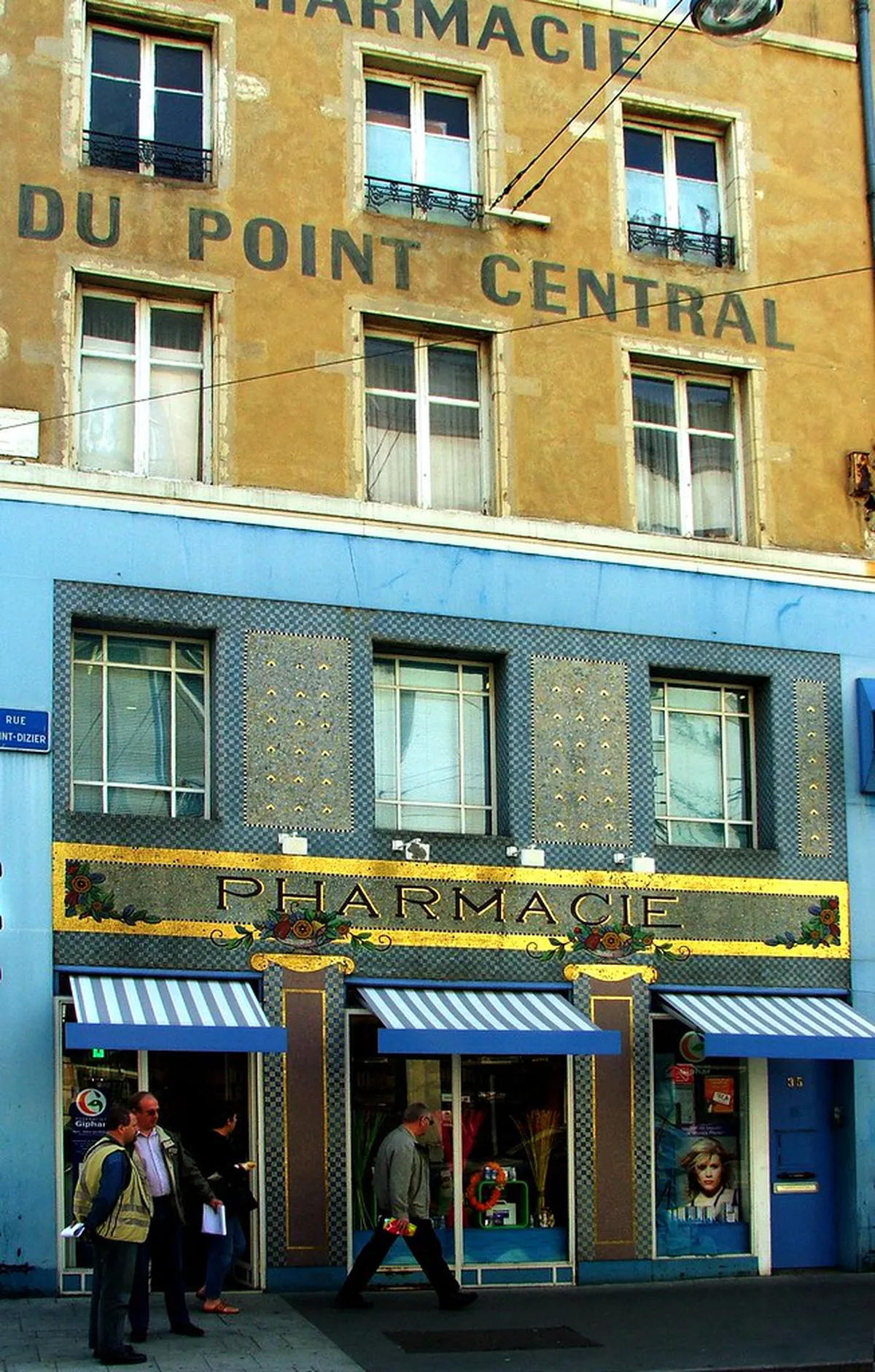
The most impressive examples are located along the Rue des Dominicains and near the Rue Saint-Dizier. These streets are in the historic center of Nancy and are very easy to reach. You can see several Art Nouveau pharmacies within a short ten-minute walk of each other.
Who designed the famous Ginkgo pharmacy in Nancy?
The famous Pharmacie du Ginkgo was designed by the talented French architect Emile Andre in 1905. He was a leading figure in the Art Nouveau movement in the city of Nancy. His work is known for using organic shapes and very intricate ironwork decorations.
Are these historic pharmacies still open to the public?
Yes, many of these pharmacies are still active businesses that serve the local community today. You can go inside to look at the decor while being respectful of the customers. Most are open from Monday to Saturday during standard French retail business hours.
Nancy pharmacy architecture offers a unique look into the artistic soul of this historic French city. These buildings are more than just places of business; they are masterpieces of the Art Nouveau style. We hope this guide helps you appreciate the beauty of Nancy on your next visit in 2025. Be sure to explore the streets and look up at the incredible details around you. Start your journey today by visiting the historic heart of Lorraine.
Key Takeaways
- Visit the Pharmacie du Ginkgo for the best example of Art Nouveau ironwork.
- Look for floral motifs like thistles and lilies on the wooden door frames.
- Early morning light is ideal for taking the best photos of these historic facades.
- Respect the active businesses while you are admiring the interior architecture.
Related reads: architecturebycity.com, architecture in nancy, brasserie excelsior interior architecture.