
Rue Droite Historical Buildings: Nice Photo Guide
Explore Rue Droite historical buildings in Nice. Our 2025 photo guide offers expert tips for your Vieux Nice architectural walking tour. Plan your visit now!
On this page
Rue Droite stands as a central pillar of the historical landscape within the famous Old Town of Nice. This narrow pathway served as the primary commercial artery for local residents during the busy medieval era. Many Rue Droite historical buildings date back to the seventeenth century and showcase stunning Baroque architectural styles today. Walking through this corridor feels like stepping into a time capsule that preserves the ancient soul of Nice.
Photography enthusiasts often flock to this street to capture the unique interplay of light and ancient stone walls. The narrow dimensions of the street create dramatic shadows that change throughout the morning and late afternoon hours. You will find numerous art galleries and craft shops tucked into the ground floors of these historic structures. Each building tells a story of the diverse cultural influences that shaped this Mediterranean coastal city over centuries.
As you plan your Vieux Nice architectural walking tour, this street should be your primary destination. The textures and colors of the facades provide a perfect backdrop for high-quality architectural photography in any season. Local historians often highlight this area as the best example of preserved residential architecture in the Alpes-Maritimes region. Prepare your camera for an unforgettable journey through the most picturesque street in the entire Old Town district.
The Baroque Grandeur of Palais Lascaris
The most significant of the Rue Droite historical buildings is undoubtedly the magnificent and ornate Palais Lascaris. This seventeen-century aristocratic residence represents the peak of Baroque civil architecture within the city of Nice today. The building features a monumental staircase decorated with beautiful frescoes and intricate marble statues from the classical period. Visitors can explore the lavish apartments that showcase the wealth of the Lascaris-Vintimille family during the Enlightenment.
The exterior facade displays impressive balcony brackets and decorative window frames that define the local architectural style. You should pay close attention to the vaulted ceilings which contain masterfully painted scenes from Greek mythology. The palace currently serves as a musical instrument museum with a collection of rare and historic pieces. Check the Palais Lascaris visiting guide for updated opening hours and ticket prices before your planned arrival.
Entrance fees for adults usually cost ten euros while children under eighteen can often enter the museum for free. The museum is typically open from ten in the morning until six in the evening on most days. Note that the palace remains closed on Tuesdays and certain public holidays throughout the calendar year in France. Plan to spend at least one hour exploring the three floors of this remarkable and historic urban residence.
Photography is generally permitted inside the palace but you must avoid using flash to protect the delicate old artworks. The central courtyard offers a unique perspective of the building structure and the sky framed by ancient rooflines. Capture the details of the wrought iron railings that reflect the high level of craftsmanship in the seventeenth century. These architectural details make Palais Lascaris a highlight of any walking tour through the narrow streets of Nice.
Architectural Elements of Rue Droite Facades
The Rue Droite historical buildings are famous for their vibrant pastel colors and traditional Mediterranean design features. Most structures rise four or five stories high and feature narrow windows designed to keep interiors cool during summer. You will notice the use of Genoese-style cornices that provide a distinct Italian feel to the local urban landscape. These architectural choices reflect the long history of Nice as a territory under the House of Savoy for centuries.
The walls are often painted in warm shades of ochre, terracotta, and deep yellow to reflect the coastal sunlight. Look for the green wooden shutters, known locally as persiennes, which allow air to flow while blocking direct sun. These functional elements have become iconic symbols of the architecture in Nice and the wider French Riviera. Many buildings still maintain their original heavy wooden doors with decorative iron knockers from the late eighteenth century.
Small religious niches containing statues of saints can be found carved into the corners of several older stone buildings. These shrines were traditionally meant to protect the residents of the street from various illnesses and natural coastal disasters. The ground levels often feature arched doorways that originally led to warehouses or workshops for local maritime merchants. Today, these spaces host modern art galleries that preserve the creative spirit of the historic Old Town district.
Observe the way the buildings lean slightly toward each other over the narrow cobblestone path on the lower levels. This medieval construction technique helped provide maximum shade and structural support for the tall houses on either side. The roofs are covered with traditional red clay tiles that create a beautiful mosaic when viewed from higher elevations. These details contribute to the unique visual character that makes Rue Droite a favorite spot for professional travel photographers.
Photography Tips for Capturing Rue Droite
Capturing the Rue Droite historical buildings requires a careful understanding of the light conditions in the narrow Old Town. The best time for photography is during the early morning before the crowds of tourists arrive in the area. Between eight and nine in the morning, the light hits the upper floors of the buildings with a soft glow. This creates a beautiful contrast with the cooler shadows that fill the street level during the early hours.
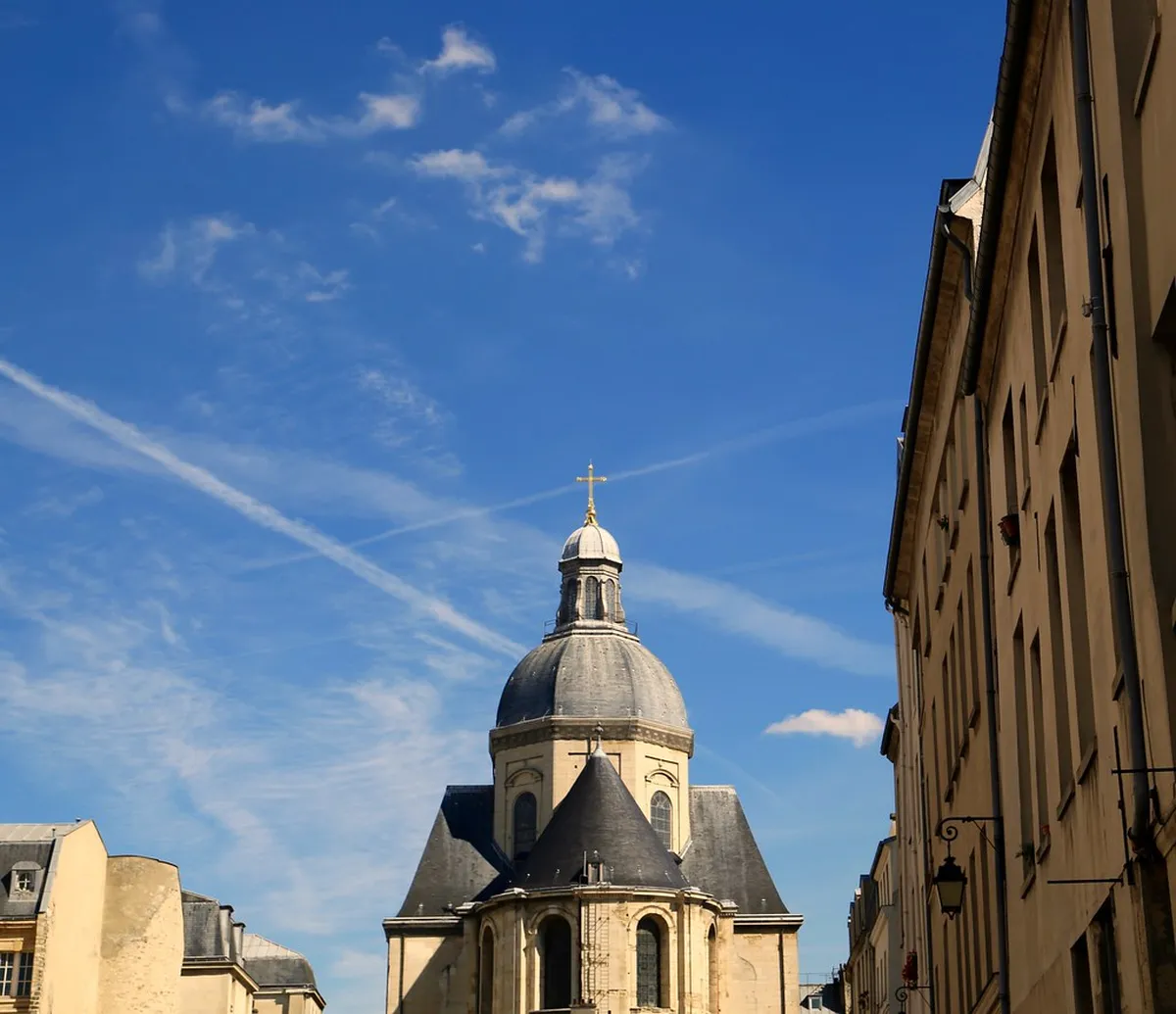
Using a wide-angle lens is essential for photographing the tall facades in such a restricted and narrow space. A focal length between sixteen and twenty-four millimeters will help you capture the full height of the historic structures. Aim your camera upward to emphasize the converging lines of the buildings against the bright blue Mediterranean sky above. This perspective highlights the verticality of the medieval street and creates a sense of depth in your images.
Focus on the small details such as weathered textures on the walls and the patterns of the stone cobblestones. Look for laundry hanging from balconies which adds a touch of local life and authenticity to your architectural photos. The contrast between the old stone and the colorful fabrics creates a compelling narrative about daily life in Nice. Be sure to check your white balance settings to accurately capture the warm tones of the traditional ochre paint.
Try experimenting with black and white photography to emphasize the structural shapes and shadows found along the entire street. Removing color allows the viewer to focus on the intricate carvings and the historical layers of the aging building materials. Many professional photographers recommend using a tripod for sharp images in the dimly lit sections of the narrow passage. Always remain respectful of the local residents and business owners while you are setting up your photographic equipment.
Navigating the Rue Droite Art Scene
The Rue Droite historical buildings currently serve as the heart of the vibrant and growing artistic community in Nice. Many of the ground floors have been converted into small studios where local painters and sculptors create their work. You can visit these galleries to see how modern artists interact with the historic environment of the Old Town. The fusion of ancient stone walls and contemporary art pieces provides a unique atmosphere for all visiting travelers.
Notable galleries along the street include spaces dedicated to traditional landscape painting and modern abstract metal sculptures. Prices for original artwork vary significantly but many shops offer affordable prints for tourists to take home as souvenirs. Most galleries open around ten in the morning and close for a short lunch break in the mid-afternoon. Walking into these spaces allows you to see the interior architectural bones of the ancient Rue Droite structures.
Galleries to visit:
- Galerie de la Marine for coastal art
- Palais Lascaris boutique for historical books
- Local pottery studios for handmade ceramics
- Traditional print shops for historic city maps
Interacting with the gallery owners provides deeper insight into the preservation efforts for these significant and ancient urban buildings. Many artists are passionate about maintaining the historical integrity of their workshops while promoting new and creative cultural ideas. You might even find an artist at work who can explain the history of their specific building level. This cultural layer adds immense value to your architectural exploration of the most famous street in Vieux Nice.
Historical Context of the Old Town Axis
The development of the Rue Droite historical buildings followed the natural expansion of the city during the late medieval period. As the population grew, the street became the primary link between the upper castle and the lower harbor area. Its straight path, unusual for the winding nature of the Old Town, gave the street its descriptive name. Droite literally translates to straight in English and refers to the deliberate planning of this specific urban corridor.
During the seventeenth century, wealthy families began building larger residences along this axis to be near the seat of power. This led to the demolition of smaller medieval houses to make room for the grand Baroque palaces we see today. The street became a symbol of status and wealth for the elite citizens of the Duchy of Savoy. You can still see the family crests carved above several doorways as you walk toward the northern end.
Key historical facts:
- Named for its straight orientation
- Main commercial hub since 1600
- Site of the first local pharmacies
- Home to the Lascaris noble family
Preservation laws in France now protect these buildings from significant modern alterations to ensure their survival for future generations. Restoration projects in 2025 focus on using traditional materials like lime plaster and natural mineral pigments for the facades. This commitment to authenticity ensures that the street maintains its historical charm and continues to attract visitors. Understanding this context enriches your appreciation of the architectural details found during your walking tour of the city.
Frequently Asked Questions
Are there any fees to walk through Rue Droite?
Walking through Rue Droite is completely free for all visitors to the city of Nice. You only need to pay if you choose to enter specific museums like Palais Lascaris. The street is a public thoroughfare accessible at any time of the day or night throughout the year.
Is Rue Droite accessible for people with limited mobility?
The street is paved with old cobblestones that can be quite uneven and difficult for some visitors to navigate. There are no steep hills on Rue Droite itself but the surrounding alleys may have stairs. We recommend wearing comfortable walking shoes and taking frequent breaks in the local cafes along the route.
How long does it take to walk the entire street?
The street is relatively short and can be walked in ten minutes if you do not stop. However, most people spend about an hour exploring the galleries and taking photos of the facades. If you visit the museum, plan for at least two hours in the area total.
Exploring the Rue Droite historical buildings offers a profound look into the architectural soul of Nice in 2025. This street combines centuries of history with a vibrant modern art scene that captivates every visitor. Make sure to bring your camera and allow plenty of time to discover the hidden details of the facades. Start your journey today by following our comprehensive guide to the most beautiful street in the French Riviera.
Key Takeaways
- Visit Palais Lascaris to see the best Baroque interiors in the city.
- Shoot photos in the early morning to avoid crowds and get soft light.
- Look for traditional architectural details like persiennes and Genoese cornices.
- Rue Droite is the center of the local art gallery scene in Old Nice.
Related reads: architecturebycity.com, place rossetti architecture, cours saleya historical facades.