
Notre Dame Flying Buttresses Design Guide
Explore the Notre Dame flying buttresses design and its structural genius. Learn how these Gothic arches support the cathedral in 2025. Read our expert guide.
On this page
The Notre Dame flying buttresses design remains a great marvel of medieval engineering in Paris. These iconic stone supports allowed builders to reach many unprecedented heights in the 12th century. They shifted the massive weight of the roof away from the thin cathedral walls today. This innovation created vital space for the world-famous stained glass windows we admire now.
Visitors to France often wonder how such heavy stone structures can appear so light and airy. The secret lies in the clever distribution of weight through these elegant external skeletal systems. Every arch serves a critical purpose in maintaining the balance of the entire Gothic structure. This technical guide explores the history and science of these famous architectural features in detail.
The Origins of the Notre Dame Flying Buttresses Design
The Notre Dame flying buttresses design was not part of the original building plan in 1163. Architects added these supports later to help the high nave walls during the long construction. These supports were among the first of their kind used in Gothic architecture in Paris. They solved the difficult problem of wall stability in very tall and narrow stone churches.
Early builders realized the limestone walls were beginning to lean outward under the heavy roof load. The flying buttress provided an external skeletal system to push back against the massive weight safely. This major change transformed the silhouette of the cathedral for the rest of history forever. It became a defining feature of the beautiful Parisian skyline by the year 1230.
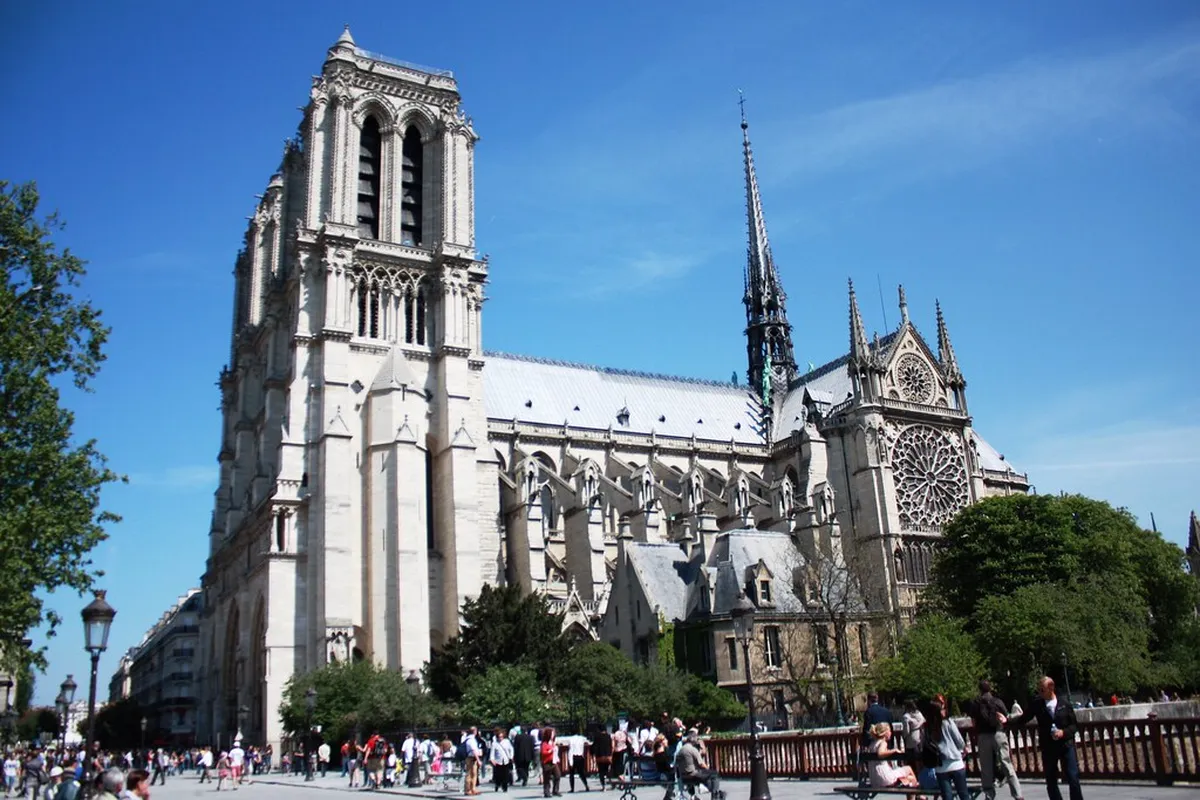
The design features elegant arches that span from the upper walls to heavy outer pillars. These outer pillars are called buttress piers and stand far from the main cathedral building. This separation creates the light and airy feel of the exterior walls for all visitors. It allows precious light to reach the lower windows without any dark stone obstruction today.
Many historians believe the buttresses were added during the construction of the nave in 1180. The original master mason likely did not anticipate the forces acting on the extremely tall walls. By adding these arches, the builders were able to complete the vaulting without any collapses. This adaptation shows the incredible flexibility of medieval builders working with limited natural materials.
The Engineering Principles Behind the Gothic Arches
The primary goal of the Notre Dame flying buttresses design is efficient gravity management today. The heavy vaulted ceilings exert a strong outward pressure on the thin side walls daily. Flying buttresses capture this force and direct it safely into the solid ground below. This prevents the stone walls from cracking or collapsing under the immense overhead pressure.
Each arch is carefully angled to meet the wall at the point of greatest stress. Engineers in 2025 still study the precise geometry used by these skilled medieval masons now. The arches are thin to reduce their own weight while maintaining incredible structural strength. This balance is a core principle of architecture in Paris throughout history.
Rainwater management is another hidden feature of these complex stone supports in the cathedral. Many buttresses include integrated channels and gargoyles to drain water away from the roof. This protects the soft limestone from erosion over many centuries of harsh Parisian weather. The design is as functional as it is beautiful for everyone to look at.
The stones are held together primarily by gravity and the precise cutting of each block. Medieval masons used iron clamps to add extra stability to the most critical joints today. This combination of materials allowed for the creation of very thin and elegant stone arches. The resulting structure has survived for over eight hundred years of constant use and change.
How the Design Revolutionized Medieval Construction
The Notre Dame flying buttresses design allowed for much larger windows in the tall walls. Before this invention, walls had to be thick and solid to support the heavy roof. Gothic builders wanted to fill their cathedrals with divine light from the sky above. Thinning the walls was only possible because of these strong external stone supports today.
These arches create a sense of movement and rhythm around the exterior of the cathedral. They look like the ribs of a giant stone ship docked on the Seine river. Visitors often note how the shadows change throughout the day across the ancient stone. This creates a dynamic visual experience for anyone walking around the building in 2025.
The design also allowed for the creation of very tall clerestory windows for better light. These windows sit high above the side aisles to illuminate the central nave area. This style influenced many other structures, including the Saint Denis Basilica nearby in France. It set a new standard for beauty in religious buildings across the whole world.
Modern architects still look to these principles when designing skyscrapers with glass curtain walls today. The idea of separating the support system from the skin of the building is key. This medieval innovation was the first step toward the modern construction methods we use now. It represents a major leap in human understanding of physics and structural engineering.
Modern Restoration of the Buttresses in 2025
The 2019 fire placed a heavy focus on the Notre Dame flying buttresses design again. Heat from the blaze threatened to weaken the stone and cause a total failure. Engineers worked quickly to install wooden supports under the arches for extra safety and stability. This massive effort saved the cathedral from a total collapse during that terrible crisis.
Restoration teams in 2025 are now cleaning and repairing these vital stone structures very carefully. They use traditional tools and local limestone to match the original craftsmanship precisely today. Each stone is carefully inspected for cracks caused by age or the intense fire heat. The goal is to return the cathedral to its full glory very soon.
Modern technology helps experts understand the forces acting on the buttresses in the present day. Digital models simulate how the stone reacts to wind and temperature changes throughout the year. These insights ensure the new repairs will last for another eight hundred years easily. The project remains one of the most complex in modern architectural history today.
Workers must balance the need for safety with the desire to preserve the historic look. Every new stone is carved by hand to replicate the original shapes and decorative details. This dedication to quality ensures the cathedral remains an authentic piece of French history. The restoration is a global effort involving the best craftsmen from many different countries.
Frequently Asked Questions
Why are the supports called flying buttresses?
They are called flying because they do not touch the ground directly at the wall. An arch flies through the air from an outer pier to the building. This creates a bridge that carries weight across an open space easily.
Can you see the buttresses during the 2025 renovation?
Yes, many views of the exterior are visible from the Seine river banks today. Public viewing platforms also offer great perspectives on the ongoing restoration work right now. You can see the intricate stone arches from several different angles nearby.
How many flying buttresses does Notre Dame have?
There are dozens of these supports surrounding the nave and the apse area today. The choir section features some of the longest and most elegant arches in Paris. Each one is essential for the structural integrity of the entire cathedral.
The Notre Dame flying buttresses design is a testament to the power of human ingenuity. It blends high-level physics with stunning artistic vision to create a true stone masterpiece. Understanding these supports helps us appreciate the true scale of Gothic achievements in France. We look forward to seeing them fully restored and functional in the coming years.
Key Takeaways
- Buttresses allow for taller walls and larger windows.
- The design was an adaptive solution added during construction.
- Restoration in 2025 uses traditional methods and modern technology.
- The arches prevent walls from leaning outward under heavy roofs.
Related reads: architecturebycity.com, sainte chapelle stained glass architecture.