
Gothic Architecture in Paris Guide
Explore the best Gothic architecture in Paris for 2025. Discover famous cathedrals, hidden gems, and expert travel tips for your next trip. Read our guide now.
On this page
Paris is a global center for stunning medieval design and history. You will find incredible examples of Gothic architecture in Paris on every corner. This city shaped the very essence of European building styles for centuries. Let us explore these historic stone masterpieces together in this guide.
The Gothic style first emerged near the city in the twelfth century. It replaced the heavy and dark Romanesque style with light and height. Builders used new techniques to create soaring ceilings and massive glass windows. Today, these landmarks define the romantic skyline of the French capital.
Visitors in 2025 can experience these sites with better access than ever. Many historic churches have finished major cleaning projects recently. You can now see the original white limestone glowing in the sun. This guide covers everything from world-famous cathedrals to quiet neighborhood chapels.
The Birth of the Gothic Style at Saint-Denis
The story begins at the Basilica of Saint-Denis in the northern suburbs. This site represents the true birth of the Gothic movement in Western Europe. Abbot Suger wanted to replace heavy walls with light and height. He introduced the pointed arch to create a more skeletal frame. Understanding the Saint-Denis Basilica Gothic origins helps you appreciate every other church in Paris.
The choir of this church remains a masterpiece of early medieval engineering. Large windows allowed light to flood the interior for the first time. Builders used slender columns to support the weight of the stone ceiling. This innovative approach changed the future of French church construction forever. It set the standard for all major cathedrals that followed.
Saint-Denis also serves as the final resting place for French royalty. You can view dozens of ornate marble tombs inside the dark crypt. These sculptures show the evolution of art from the Middle Ages. The basilica is easily reachable via Metro Line 13 from central Paris. Expect to spend about two hours exploring the entire site.
Tickets for the royal necropolis cost approximately eleven euros in 2025. The church itself remains free to enter for regular prayer services. We recommend visiting on a sunny day to see the windows glow. The vibrant blue glass is some of the oldest in the world. It provides a spiritual atmosphere that words cannot easily describe.
The Majesty of Notre-Dame de Paris
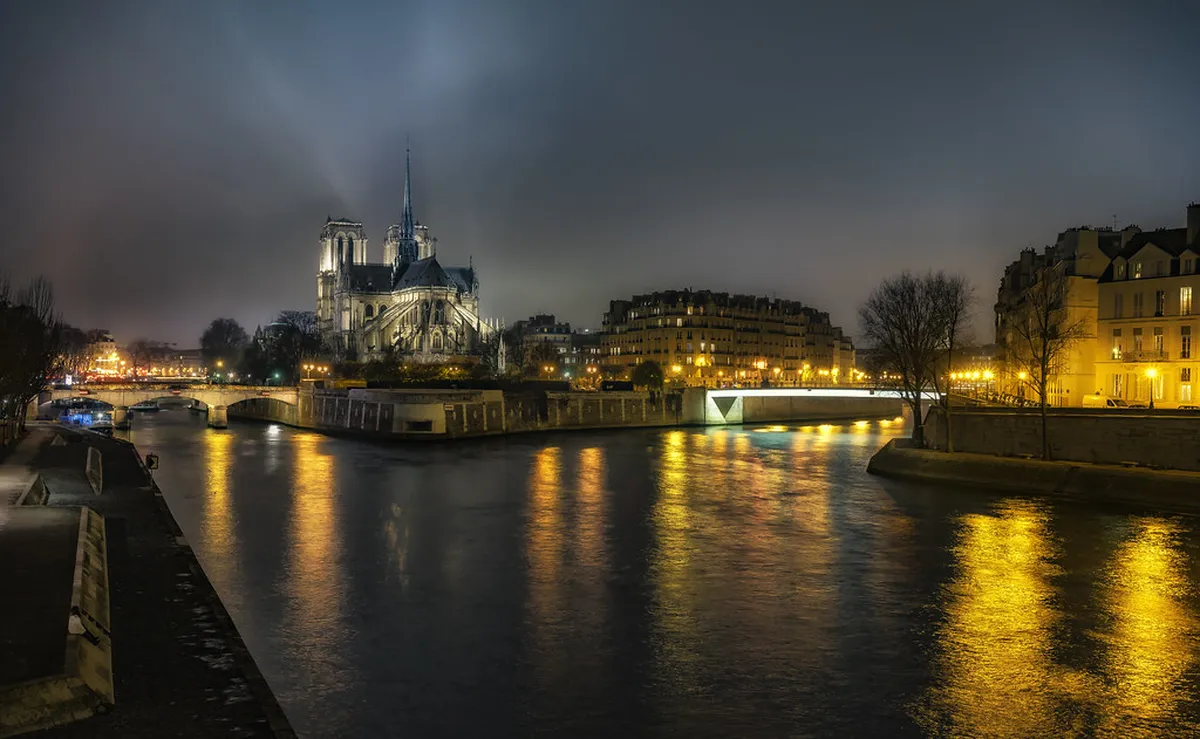
Notre-Dame is perhaps the most famous example of Gothic design worldwide. It sits on the Île de la Cité in the heart of Paris. Construction started in 1163 and lasted for nearly two centuries. The facade shows a perfect balance of vertical and horizontal stone lines. This balance creates a sense of strength and eternal grace.
One of the most vital features is the Notre-Dame flying buttresses design. These external stone arches support the high walls from the outside. They allowed the architects to build much higher than previously possible. You can see these elegant structures best from the small park behind the cathedral. They look like giant stone ribs reaching toward the sky.
The cathedral is preparing for its grand reopening to the public in 2025. Restoration teams have worked tirelessly since the tragic fire of 2019. Visitors will soon see the cleaned interior and the new wooden spire. The famous rose windows survived the heat and still sparkle with color. It remains a symbol of resilience for the people of France.
Walking around the exterior provides a lesson in medieval symbolism and art. Look closely at the gargoyles and chimeras perched high on the towers. These stone creatures served as water spouts and guardians of the church. The central portal depicts the Last Judgment with incredible detail in stone. This area is always busy, so visit early in the morning.
The Stained Glass Wonders of Sainte-Chapelle
Sainte-Chapelle is a jewel of the Rayonnant Gothic style of architecture. King Louis IX built it to house holy relics in the thirteenth century. The upper chapel feels like a giant lantern made of colored glass. There is very little visible stone between the massive window panels. This design represents the peak of medieval glass technology.
The Sainte-Chapelle stained glass architecture consists of fifteen huge panels. These windows tell stories from the Bible in over one thousand scenes. The colors remain incredibly vibrant even after seven hundred years of history. Red and blue tones dominate the space during the bright afternoon hours. It is a truly breathtaking sight for any traveler.
You must book your tickets online well in advance for 2025. Security is tight because the chapel sits within the Palace of Justice. Adult tickets cost about thirteen euros for a standard timed entry slot. We suggest downloading the official app to identify the different window scenes. The app provides a detailed digital map of the glass stories.
The lower chapel is also beautiful but has a much lower ceiling. It features colorful wall paintings and a statue of the king. This space served the palace staff while the king used the upper level. Both floors showcase the royal obsession with divine light and luxury. The chapel is located just a short walk from Notre-Dame cathedral.
Exploring the Diversity of Architecture in Paris
Beyond the famous cathedrals, many smaller churches showcase unique Gothic details. The Church of Saint-Severin in the Latin Quarter is a hidden gem. It features a famous twisted column that looks like a stone palm tree. This church served students from the nearby university for many centuries. It offers a quiet escape from the busy city streets.
You can see how architecture in Paris evolved by visiting Saint-Germain-l'Auxerrois. This church sits right across from the massive Louvre Museum complex. It combines early Gothic arches with later decorative Flamboyant elements. The porch is especially famous for its complex stone carvings and statues. It was once the local parish for the French kings.
The Tour Saint-Jacques is another striking remnant of the Gothic era. It is a lonely tower standing in a modern public park. The rest of the church was destroyed during the French Revolution. Today, you can climb its three hundred steps for amazing city views. It stands as a tall monument to late Gothic craftsmanship.
These sites prove that Gothic design was not just for huge cathedrals. Local neighborhoods invested in beautiful stone churches to show their local pride. Many of these buildings survived wars and modern urban planning projects. They provide a physical link to the medieval past of Paris. Take time to step inside whenever you see a pointed arch.
The Flamboyant Gothic Era and Beyond
The final phase of the style is known as Flamboyant Gothic. This name comes from the flame-like patterns in the stone window tracery. You can see this style at the Church of Saint-Etienne-du-Mont. This building is located near the Pantheon on the historic Left Bank. It features the only surviving rood screen in the city today.
The rood screen is a magnificent bridge made of white carved stone. It separates the choir from the main seating area for the public. The spiral staircases on either side are masterpieces of late medieval art. This church also holds the shrine of Saint Genevieve, the patron of Paris. The interior feels light, airy, and full of complex architectural movement.
Another great example is the Hotel de Sens in the Marais district. This was once a private residence for powerful medieval archbishops. It looks more like a small castle than a typical city house. The building features defensive turrets and high-pitched slate roofs for protection. It is now home to a public library for art.
The transition from Gothic to Renaissance styles happened slowly in the capital. You will often see both styles mixed in a single building. This architectural layering is what makes the city so fascinating to explore. Look for the change from pointed arches to rounded classical shapes. This shift marked the end of the medieval era in France.
Planning Your Architecture Walking Tour in 2025
The best way to see these sites is on foot. Start your day on the Île de la Cité to see the major landmarks. From there, cross the river to explore the narrow medieval streets. Following a professional architecture walking tour in Paris ensures you see every detail. Expert guides can point out hidden carvings you might otherwise miss.
Most Gothic sites are open from 9:00 AM until 6:00 PM daily. Be aware that active churches may close to tourists during Sunday mass. Dress respectfully by covering your shoulders when entering these sacred spaces. Photography is usually allowed but you should never use a flash. Respect the silence of those who are there for quiet prayer.
Consider purchasing a Paris Museum Pass if you plan to see many sites. This pass covers Sainte-Chapelle and the towers of the major cathedrals. It can save you a significant amount of money over several days. You also get to skip some of the longer ticket lines. This is very helpful during the peak summer travel months.
Paris is a very walkable city, but the Metro is also efficient. Use the RER B train to reach Saint-Denis in just fifteen minutes. Most other sites are within the first four arrondissements of the city. Wear comfortable shoes because the old cobblestone streets can be quite uneven. Your feet will thank you after a long day of exploring.
Frequently Asked Questions
What is the oldest Gothic church in Paris?
The Basilica of Saint-Denis is considered the oldest Gothic church in the world. It was built between 1135 and 1144 near northern Paris. This site changed architecture forever by using pointed arches and large windows.
Can I visit Notre-Dame cathedral in 2025?
Yes, Notre-Dame is scheduled to reopen to the public in late 2024 or early 2025. Visitors can once again enter the nave and see the restored interior. Check the official website for specific opening dates and ticket rules.
Why does Gothic architecture have gargoyles?
Gargoyles serve a practical purpose as water spouts to protect the stone walls. They also had a spiritual meaning to ward off evil spirits from the church. Many gargoyles in Paris were added or restored in the nineteenth century.
Is Sainte-Chapelle worth the ticket price?
Sainte-Chapelle is widely considered one of the most beautiful rooms in the world. The stunning stained glass justifies the thirteen euro entry fee for most visitors. It is a unique experience that you cannot find anywhere else.
Exploring Gothic architecture in Paris offers a deep look into the history of France. From the heights of Notre-Dame to the glass of Sainte-Chapelle, these buildings inspire wonder. Plan your visit for 2025 to see these newly restored treasures in person. We hope this guide helps you enjoy your next architectural adventure in the City of Light.
Key Takeaways
- Visit Saint-Denis to see where the Gothic style first began.
- Book Sainte-Chapelle tickets online to avoid long waiting times.
- Look for flying buttresses to understand medieval engineering skills.
- Explore the Marais and Latin Quarter for hidden Gothic gems.
- Check reopening dates for Notre-Dame before your 2025 trip.
Related reads: architecturebycity.com, haussmann architecture paris.