
Exploring Campo Santo Perpignan Architecture
Discover the stunning Campo Santo Perpignan architecture in France. Learn about this unique Gothic cloister cemetery in our 2025 guide. Plan your visit today!
On this page
Perpignan is home to some of the most beautiful and historic landmarks in the south of France. The Campo Santo Perpignan architecture stands out today as a rare and incredibly preserved medieval masterpiece. It remains the oldest and largest cemetery-cloister currently still remaining in the entire French country. Many travelers visit this site to experience its quiet atmosphere and its somber architectural beauty.
The site sits directly next to the impressive Saint-Jean-Baptiste Cathedral complex in the old town center. It highlights the unique cultural blend found within the architecture in Perpignan and its surrounding region. This monument offers a very peaceful escape from the busy and loud city streets found nearby. You will find incredible photo opportunities throughout all of the ancient and historic stone galleries.
The Medieval Foundations of the Site
Construction on this historic funeral site first started around the early years of the year 1300. It served as the primary burial place for many of the city's most wealthy and influential citizens. The layout follows a traditional four-sided cloister design that was common in many Mediterranean regions. Architects designed the space to be both functional and deeply spiritual for the local religious community.
The stone galleries feature high quality white marble from the famous and nearby Ceret quarries. This material provides a bright contrast to the dark soil found in the central courtyard area. Each gallery contains several pointed arches that support the heavy wooden roof structures above the walkway. These elements are very typical of the 14th-century Gothic style found throughout Southern France today.
The Black Death in 1348 significantly increased the local need for protected and sacred burial space. Workers expanded the cloister to accommodate more of the city's deceased residents during this difficult time. The site eventually became a powerful symbol of the city's resilience during those very dark times. It stands today as a testament to medieval urban planning and the strength of the community.
Distinguishing Campo Santo Perpignan Architecture Details
One major highlight of Campo Santo Perpignan architecture is the series of deep funeral alcoves. These niches are called enfeus and were built directly into the thick exterior stone walls. Families decorated these spaces with many intricate carvings and various personal religious symbols of the era. Walking past them reveals the fascinating social history of the medieval residents of Perpignan city.
The large central courtyard remains completely open to the blue sky for all visitors to see. Historically, the ground level was much higher due to several centuries of continuous burials at the site. Modern excavations have successfully restored the original proportions of the elegant and thin stone columns. You can now fully appreciate the true scale of this massive and ancient outdoor monument.
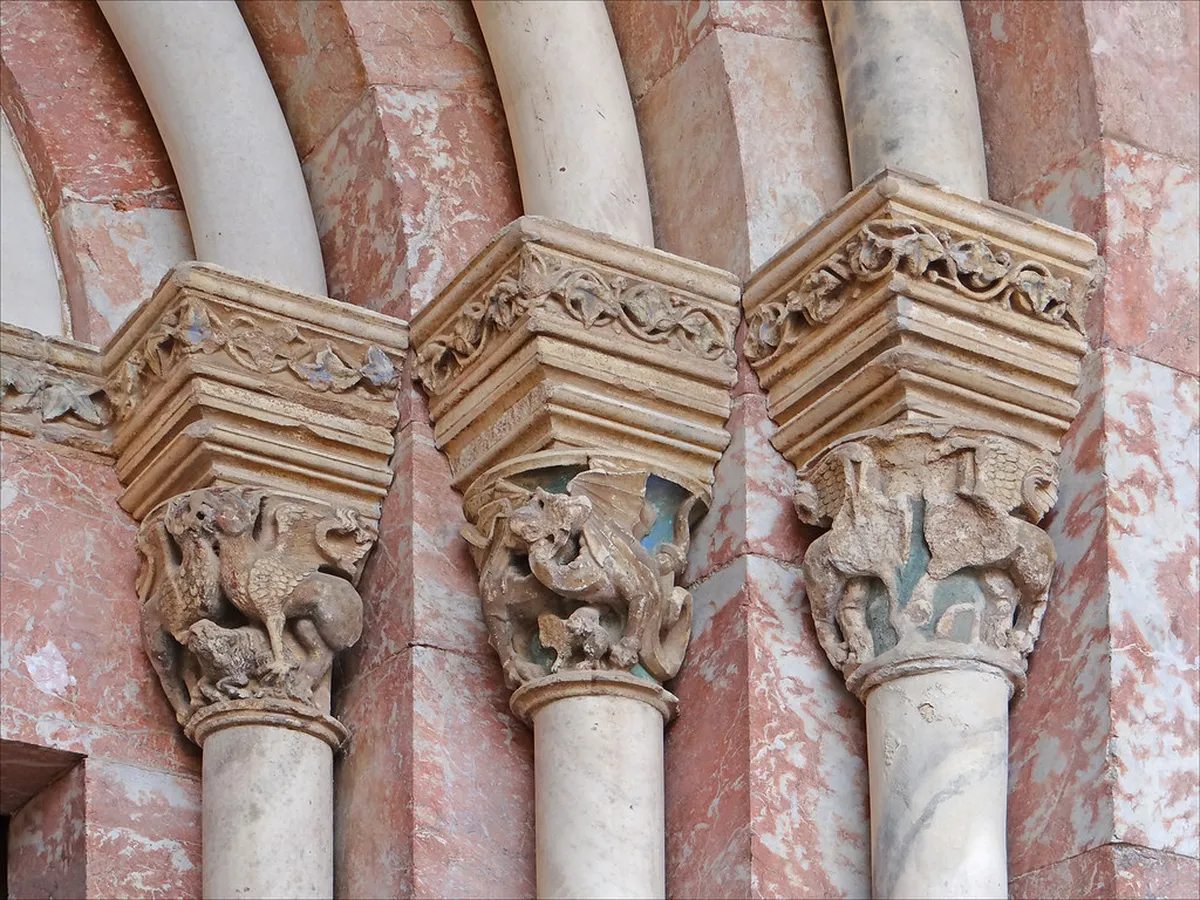
Look very closely at the stone capitals located on top of the thin marble columns. These stone carvings depict various biblical scenes and many types of local plant life from the region. The detail remains quite impressive despite several centuries of exposure to the natural Mediterranean elements. These small artistic touches successfully elevate the site from a simple cemetery to high art.
Connections to Perpignan Cathedral Architecture
The cloister is an essential part of the famous and historic Perpignan Cathedral architecture ensemble. Both structures utilize the same Southern Gothic principles that are found across this specific border region. The proximity of the two sites creates a massive religious heart in the center of town. Builders used similar masonry techniques to ensure visual harmony between these two very important buildings.
Notice how the pointed arches in the Campo Santo mirror the large cathedral windows nearby. This repetition of form creates a strong sense of continuity for every visitor who walks through. The transition from the dark cathedral interior to the bright open cloister is truly stunning. It shows the very careful planning of the talented medieval architects in the 14th century.
The cathedral itself showcases a massive and impressive single-aisle nave design for the local congregation. This interior contrasts with the very open and airy nature of the outdoor funeral cloister. However, the consistent use of red brick and local stone ties the two structures together. They represent different facets of the same architectural period and the unique regional building style.
Modern Use and Campo Santo Perpignan Architecture Conservation
In modern times, the Campo Santo has become a premier cultural venue for the entire city. The acoustics within the tall stone walls are perfect for acoustic music and choral performances. Many local festivals choose this historic backdrop for their main summer stages and theater events. It brings new life to a space originally dedicated to the dead so long ago.
Conservation efforts are currently ongoing to protect the delicate white marble and the old wood. Specialists regularly clean the stone to prevent damage from modern pollution and the harsh weather. These efforts ensure that future generations can enjoy the beauty of the Campo Santo forever. The city invests heavily in maintaining this very important part of its historic cultural heritage.
Photography enthusiasts will absolutely love the constant play of light and shadow in the galleries. The late afternoon sun creates long and dramatic silhouettes across the large central grass courtyard. You can capture the textures of the ancient stone in great detail with your camera. It is easily one of the most photogenic spots in the entire city of Perpignan.
Frequently Asked Questions
What is the best time to visit Campo Santo?
Spring and autumn offer the most comfortable temperatures for long walking tours in the city. Morning light provides the very best illumination for viewing the delicate and ancient marble carvings. Avoid visiting during peak summer afternoons when the stone courtyard can get extremely hot.
Is there an entry fee for the Campo Santo?
Entry to the main cloister area is currently free for all visitors to the city. This makes it an affordable stop during your Perpignan architecture walking tour through the old town. Some special evening concerts or summer events might require a separate paid ticket.
Can you still see the ancient tombs?
Yes, many of the original funeral alcoves are still clearly visible for visitors today. While most of the physical remains were moved, the stone inscriptions often still survive. These markers provide a fascinating look at the names of many historic local families.
The Campo Santo remains a vital piece of the beautiful and historic French cultural landscape. Its unique design offers a rare look at medieval burial practices and ancient religious art. Visiting this site provides a much deeper understanding of the local and unique Southern Gothic style. Plan your trip in 2025 to see this incredible architectural gem in person today.
Key Takeaways
- It is the oldest and largest cemetery-cloister currently existing in France.
- The site features stunning 14th-century Southern Gothic architecture and marble work.
- Admission is generally free, making it a budget-friendly historic landmark to visit.
- The location is conveniently situated next to the Saint-Jean-Baptiste Cathedral complex.
Related reads: architecturebycity.com.