
Perpignan Citadel Architectural Layout Guide for 2025
Explore the Perpignan Citadel architectural layout. Learn how Vauban’s fortifications in Perpignan protected the city. Visit this historic site in 2025!
On this page
The Perpignan Citadel architectural layout represents a unique masterpiece of early modern military design. This massive stone fortress sits proudly on a high hill overlooking the historic city center. It showcases the diverse architecture in Perpignan across many distinct historical eras. Visitors in 2025 can admire the blend of royal residence and defensive military might.
Understanding this complex site requires a close look at its unique geometric and structural features. The fortress serves as a bridge between medieval aesthetic and functional 17th-century military engineering. Most travelers enjoy walking the outer perimeter to appreciate the scale of these ancient walls. This guide provides a detailed look at the internal and external components of the site.
Origins of the French Military Bastion
The current state of the fortress reflects the brilliant work of the famous engineer Sebastien Vauban. He arrived in the late 17th century to upgrade the existing defenses of the southern border. His improvements to Vauban's fortifications in Perpignan established a new standard for French military protection. He successfully combined the old Spanish palace with modern French defensive systems during this period.
The strategic location of the citadel made it a vital point for the defense of France. Perpignan served as a key gateway between the powerful kingdoms of France and nearby Spain. Military architects focused on creating a structure that could withstand long sieges from heavy artillery. The massive walls we see today were designed to absorb the impact of enemy cannon fire.
Construction during the 1680s transformed the landscape of the city and its surrounding hills forever. Thousands of workers moved massive amounts of earth to create the ditches and protective banks. This effort required significant financial investment from the French crown under King Louis XIV. The result was a nearly impregnable fortress that dominated the entire region for many decades.
Military engineers used high-quality local stone and brick to build the primary defensive curtain walls. These materials provided the necessary strength to support the weight of heavy defensive cannons. You can still see the original masonry patterns in many sections of the lower walls. The craftsmanship reflects the peak of building techniques available during the late 17th century.
The Perpignan Citadel Architectural Layout and Geometry
The Perpignan Citadel architectural layout uses a complex star shape to deflect incoming artillery fire. This specific geometry allowed defenders to cover every angle of the surrounding defensive walls. Engineers utilized the existing topography to maximize the efficiency of these massive stone fortifications. Today, the site remains one of the best examples of military design in southern France.
The bastions are the most prominent feature of the overall geometric design within the citadel. These diamond-shaped projections allow for lateral fire along the face of the connecting curtain walls. Each bastion was carefully positioned to eliminate any blind spots where enemies could potentially hide. This defensive strategy made a direct assault on the walls extremely difficult and very dangerous.
- Bastion Saint-Andre: This northern point provides a clear view over the modern city of Perpignan.
- Bastion Saint-Sauveur: Located on the eastern side, it protected the main land approaches.
- Curtain Walls: These flat sections connect the bastions and house internal storage for weapons.
Axial symmetry plays a vital role in the internal organization of the entire military complex. The central axis aligns with the main palace entrance to create a sense of royal authority. Soldiers could move quickly between different sectors of the fortress using well-planned internal roads. This efficiency was crucial for maintaining a strong defense during the height of a conflict.
Large underground galleries connect several parts of the Perpignan Citadel architectural layout for safe movement. These tunnels allowed troops to move ammunition without being exposed to enemy fire from above. Some of these passages are now open to the public during special guided architectural tours. They offer a fascinating glimpse into the life of a soldier during the 18th century.
Vauban’s Defensive Moats and Curtain Walls
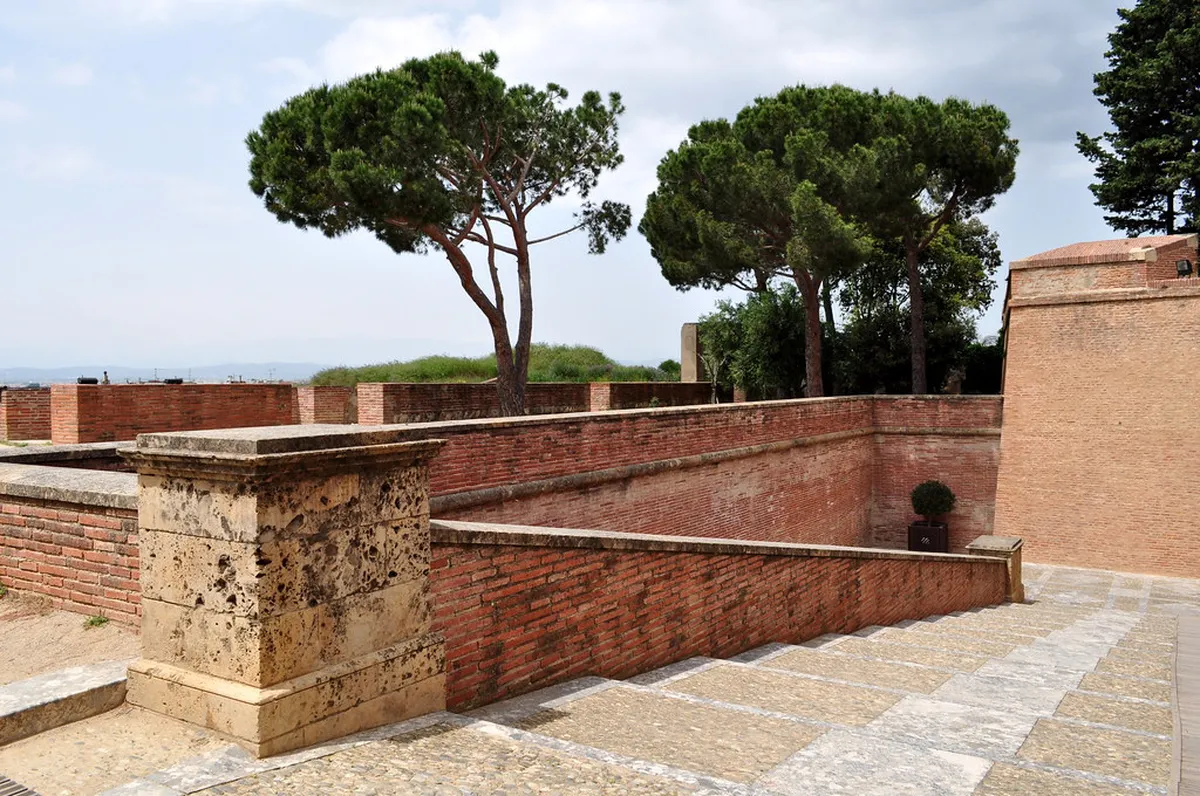
A deep dry moat surrounds the inner core of the fortress to prevent easy access. This ditch was designed to be wide enough to stop attackers from using scaling ladders. The steep sides of the moat are lined with smooth stone to make climbing impossible. In 2025, visitors can walk along the bottom of the moat for a unique perspective.
Beyond the moat lies the glacis, which is a long, sloping bank of open earth. This feature forced attackers to advance uphill while being completely exposed to the citadel defenders. The angle of the glacis was precisely calculated to match the trajectory of the fort's cannons. This integration of earthworks and masonry is a hallmark of the Vauban style of engineering.
The curtain walls themselves reach impressive heights of over fifteen meters in several primary sections. These walls are thicker at the base to provide stability and resist the force of explosions. Small openings called embrasures allowed soldiers to fire muskets while remaining behind thick stone cover. These features show the balance between offensive capability and defensive protection in the layout.
Counter-guard walls were later added to provide an extra layer of protection for the main bastions. these structures acted as a shield to absorb the first wave of any heavy artillery attack. By sacrificing the outer walls, the main fortress could remain operational for a much longer time. This tiered defense system is a critical part of the Perpignan Citadel architectural layout.
The Palace of the Kings of Majorca Integration
The heart of the citadel contains the beautiful medieval Palace of the Kings of Majorca. This 13th-century structure served as the core around which the later military fortifications were built. The Palais des Rois de Majorque architecture features stunning Gothic arches and grand marble courtyards. It represents the royal history of the region before the arrival of the French military.
Vauban had to carefully integrate this royal residence into his modern star-shaped defensive architectural plan. He chose to preserve the palace while surrounding it with massive walls and deep dry moats. This creates a striking contrast between the elegant Gothic palace and the rugged military exterior. Visitors can easily see where the medieval stonework ends and the military masonry begins.
The central courtyard of the palace remains one of the most peaceful spots in the city. It features two levels of elegant galleries supported by slender columns made of local red marble. These spaces once hosted the royal court and important political meetings during the Middle Ages. The transition from a royal home to a military barracks changed the internal atmosphere significantly.
Architectural enthusiasts will notice the unique blend of Spanish and French styles throughout the inner palace. The use of pointed arches and rib vaults reflects the popular Majorcan Gothic style of that era. During the 17th century, many royal rooms were converted into offices for high-ranking military officers. This history of adaptation makes the site a complex puzzle for modern architectural historians.
Modern Access and Visiting Tips for 2025
Visiting the citadel in 2025 is a highlight for any traveler exploring southern France today. The site is open daily, though hours may change depending on the specific travel season. You should allow at least two hours to explore the palace and the outer fortifications. Wear comfortable walking shoes because the stone paths can be quite uneven and steep.
The entrance fee for adults is approximately seven euros, which includes access to the palace. Guided tours are available in several languages for a small additional cost during the summer. These tours provide deeper insight into the Perpignan Citadel architectural layout and its long history. You can also find a small gift shop near the main entrance for souvenirs.
Photographers should visit during the late afternoon to capture the best light on the red brickwork. The sun illuminates the bastions and creates dramatic shadows across the deep defensive dry moats. You can get a panoramic view of the Pyrenees mountains from the top of the walls. This vista offers a clear understanding of the strategic importance of this high hill.
Access to the citadel is easy from the city center via a short uphill walk. Look for the signposts near the Cathedral that lead you toward the royal palace gates. Public parking is available nearby, but walking is the best way to see the historic streets. Ensure you check the local weather before heading up to the exposed defensive ramparts.
Frequently Asked Questions
What is the Perpignan Citadel architectural layout?
The layout is a star-shaped fortress designed by the military engineer Vauban. It combines a 13th-century Gothic palace with 17th-century bastions and curtain walls. This design provided maximum defense against artillery while preserving the historic royal residence at the center.
Who designed the fortifications in Perpignan?
The famous French military engineer Sebastien Le Prestre de Vauban designed the modern fortifications. He worked under King Louis XIV to strengthen the southern borders of France. His designs in Perpignan are considered some of his most successful and well-preserved works.
Can I visit the Palace within the Citadel in 2025?
Yes, the Palace of the Kings of Majorca is open to the public in 2025. Visitors can explore the royal courtyards, the grand halls, and the military ramparts. The site is a popular cultural venue that hosts concerts and exhibitions throughout the year.
The Perpignan Citadel architectural layout remains a testament to the evolution of European military engineering. It perfectly blends the beauty of Majorcan Gothic style with the utility of French defense. Exploring these walls offers a unique journey through centuries of history and royal power. Plan your visit today to see this incredible landmark in the heart of Perpignan.
Key Takeaways
- Vauban designed the star-shaped layout in the 17th century.
- The site protects a 13th-century Gothic palace at its center.
- Geometric bastions were built to eliminate defensive blind spots.
- The citadel is open for public tours throughout 2025.
Related reads: architecturebycity.com, unesco military sites near perpignan, history of perpignan city walls.