
Palace of Tau Architectural Layout: A Deep Dive
Explore the Palace of Tau architectural layout and its Gothic history in 2025. Plan your visit to this UNESCO site in Reims today.
On this page
The Palace of Tau architectural layout reflects centuries of French royal history and religious power. Located in Reims, this UNESCO World Heritage site served as the residence for French kings during coronations. Its proximity to the cathedral makes it a central part of Gothic architecture in Reims today. Visitors in 2025 can explore the grand halls where kings once feasted after their sacred ceremonies.
The name comes from the Greek letter Tau due to its original T-shaped floor plan. Modern guests will find a mix of styles spanning from the 12th to the 17th century. This deep dive examines the specific structural elements that make the palace a masterpiece of design. It remains an essential destination for anyone interested in the architectural heritage of France.
The Unique T-Shaped Design Origins
The Palace of Tau architectural layout is named after the Greek letter T for its medieval shape. This design was common for early medieval ecclesiastical buildings throughout many regions of France. The structure sits directly next to the famous Reims Cathedral to serve the local archbishops. It functioned as a vital hub for the coronation rituals of various French kings.
Architects designed the original layout to serve the specific needs of the high-ranking clergy. The T-shape allowed for distinct wings dedicated to private living and official administrative functions. Each wing featured thick limestone walls harvested from ancient local quarries near the city center. These durable materials have survived many centuries of war and significant urban changes.
The palace footprint has changed significantly since the early twelfth century due to multiple renovations. Most of the current layout dates from restorations performed in the late seventeenth century. Architect Robert de Cotte led these significant changes to modernize the old medieval structure. He updated the building while respecting its original purpose as a royal and religious residence.
Today, the layout provides a clear path through the long and complex history of France. Visitors start in the lower levels and move toward the grand upper banquet halls. Each room showcases how the Palace of Tau architectural layout adapted to various new trends. This evolution makes it a premier example of historical layering in European architecture.
Evolution of the Gothic and Baroque Styles
The palace showcases a fascinating blend of medieval and classical architectural styles for modern visitors. Early Gothic elements appear primarily in the lower levels and the ancient royal chapel. These spaces feature ribbed vaults and sturdy columns typical of the early thirteen hundreds. The heavy masonry creates a cool and quiet atmosphere throughout the lower palace floors.
During the 17th century, the building underwent a massive baroque transformation to suit new tastes. Large windows were added to allow more natural light into the once dark corridors. Elegant facades replaced the more austere medieval exterior walls during this period of growth. This shift reflected the changing tastes of both the French monarchy and the powerful clergy.
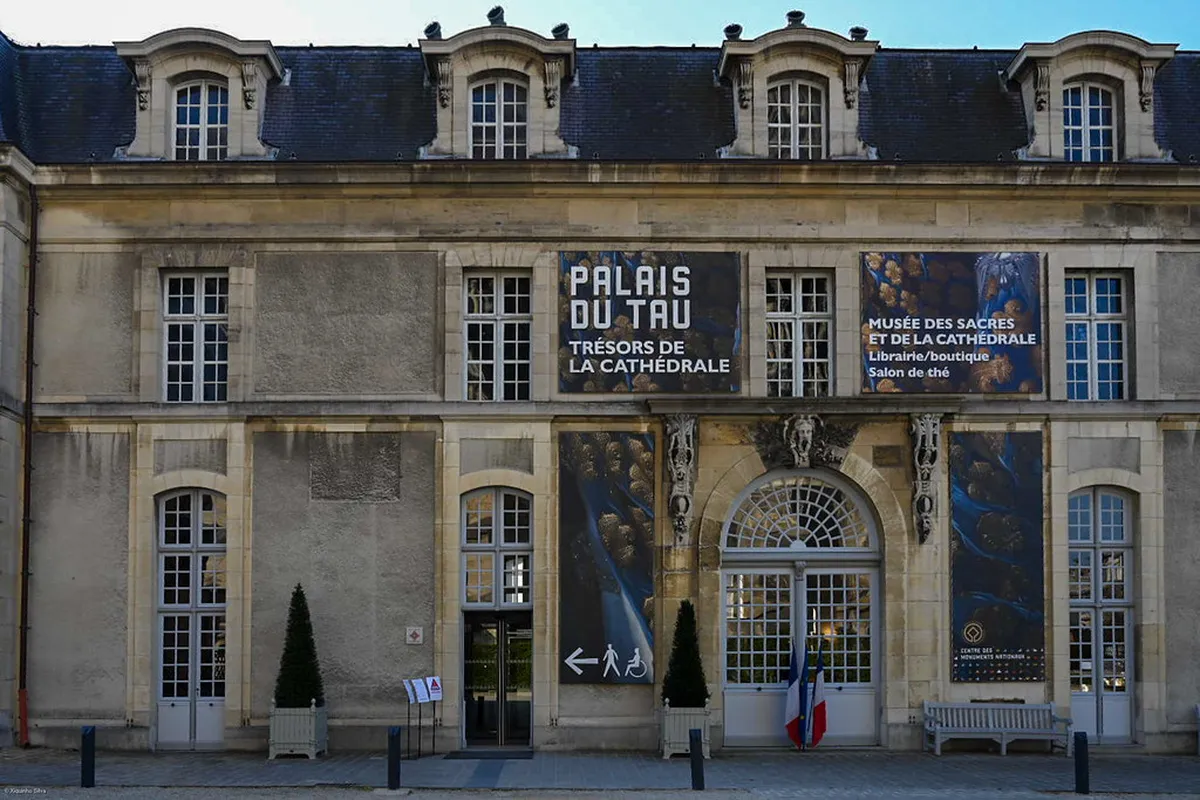
The exterior reflects a more symmetrical and orderly classical French style than previous iterations. You will notice the repetitive window patterns and refined decorative moldings on the facade. These details contrast sharply with the rugged Gothic foundations found beneath the current structure. It remains a key part of the broader architecture in Reims landscape for students.
Preservationists in 2025 work hard to maintain these distinct historical layers for future generations. They ensure the Gothic arches remain stable beneath the heavier baroque upper floors and roofs. Careful restoration has kept the structural integrity of the palace intact through difficult times. This balance provides a unique visual history for every guest who walks through the doors.
The Grand Salle du Tau Banquet Hall
The Grand Hall is the most significant part of the entire interior architectural layout. Known as the Salle du Tau, it hosted legendary coronation banquets for many centuries. The hall features a massive wooden ceiling that resembles an overturned ship hull in design. This choice provides a sense of immense scale and grandeur for royal guests.
Large tapestries once covered the stone walls to provide insulation and beauty during the winter. Today, the space remains open to highlight the sheer size of the impressive banquet room. It measures over 30 meters in length to accommodate hundreds of important royal guests. The layout emphasizes the absolute power and wealth of the historic French throne.
Royal guests would walk directly from the cathedral into this specific dining space after ceremonies. The palace layout connects seamlessly to the religious spaces located immediately next door. This proximity allowed the coronation festivities to continue without any significant delay or travel. It was a masterpiece of medieval urban and ceremonial planning for the French elite.
Modern visitors can stand in the center of this historical banquet room during their tour. The floor plan allows for excellent acoustics even during large group tours or events. You can almost hear the echoes of past feasts and traditional royal toasts today. The hall remains the heart of the Palace of Tau architectural layout for all guests.
Structural Integration with Reims Cathedral
The Palace of Tau architectural layout cannot be studied without considering the nearby cathedral. Both buildings were designed to work together during the elaborate royal coronation ceremony. The palace provided a private space for the king to dress and rest before events. It functioned as a direct extension of the sacred cathedral grounds for the archbishop.
Underground passages and direct doorways linked the two massive stone structures for easy access. This layout ensured the king remained in a sanctified environment during the whole day. The flow of the buildings followed a strict protocol for the traditional coronation day events. This unity is a hallmark of high-quality Gothic urban planning in medieval France.
Stone masons often worked on both the palace and the cathedral simultaneously during construction phases. You can see similar carving techniques used on the decorative gargoyles and structural capitals. The palace serves as a museum for many original cathedral statues from the exterior. These pieces are stored within the palace to prevent further weather damage and erosion.
Exploring the palace allows you to see cathedral details up close in a quiet setting. The layout includes special galleries dedicated to the cathedral's original heavy lead roof materials. You can view the intricate metalwork that once sat high above the city streets. This connection makes the palace a vital resource for all cathedral researchers and enthusiasts.
The Royal Chapel and Treasury Layout
The interior layout includes several rooms dedicated to the valuable cathedral treasury artifacts. These spaces are secured with modern climate control systems for all 2025 visitors to enjoy. You will find the Talisman of Charlemagne and the Holy Ampulla in these rooms. The room layout guides you through these artifacts in a logical chronological order.
Small winding staircases connect the various levels of the historic palace for the staff. These passages offer a glimpse into the daily lives of the many resident archbishops. The layout features many hidden alcoves used for private prayer and deep religious study. These intimate spaces contrast with the vastness of the public halls used for banquets.
The palace chapel is another highlight of the medieval interior design and layout. It features two levels, with the lower floor serving the palace staff and servants. The upper level was reserved specifically for the archbishop and his noble royal guests. This vertical separation of social classes was common in most medieval architectural layouts.
Visitors should plan to spend at least two hours exploring the entire palace layout. The structure is quite extensive and requires significant walking on hard stone floors today. Wear comfortable shoes to navigate the various levels and historic open courtyards safely. The palace provides a comprehensive look at French royal heritage and religious history.
Frequently Asked Questions
What is the best time to visit the Palace of Tau in 2025?
Spring and autumn offer the most pleasant weather for visiting the city of Reims. The palace is less crowded during the early morning hours on most weekdays. You can enjoy the architecture without the large tourist groups often found in summer.
How much does it cost to enter the palace?
Tickets for adults generally cost around 8 to 11 Euros in 2025. Discounts are often available for students and large groups with prior bookings. Check the official website for updated pricing and free entry days for the public.
Is the Palace of Tau accessible for people with mobility issues?
The historic layout includes many stairs and uneven stone surfaces in the older sections. However, modern elevators have been installed to assist visitors with limited mobility throughout the site. Some areas may still be difficult to access without professional staff assistance.
Where can I find help planning my trip to Reims?
You should consult a professional Reims architecture tour planning guide for your trip. These resources provide detailed itineraries and transport tips for the whole city. They help you maximize your time at the palace and the cathedral.
The Palace of Tau architectural layout remains a testament to the long history of France. Its T-shaped design and Gothic origins offer a unique look at royal life and traditions. Visiting this site in 2025 provides a deeper understanding of the Reims coronation ceremonies. Make sure to include this UNESCO treasure in your next trip to the Champagne region.
Key Takeaways
- The 'Tau' name comes from the original T-shaped floor plan used in the 12th century.
- The palace served as the primary residence for French kings during their coronation ceremonies.
- Architectural styles blend Gothic foundations with 17th-century Baroque updates by Robert de Cotte.
- The Salle du Tau hosted massive royal banquets and features a unique ship-hull ceiling.
- The palace is physically and historically linked to the Reims Cathedral treasury and rituals.
Related reads: architecturebycity.com, reims cathedral facade details, saint remi basilica architecture history.