
German Imperial Urban Planning in Strasbourg Guide
Explore German imperial urban planning in Strasbourg. Learn about the Neustadt district in 2025 with our expert guide. Start your historical tour today!
On this page
Strasbourg offers a unique blend of French and German history in its streets. The German imperial urban planning in Strasbourg defined the city landscape after 1871. This period saw the creation of a massive new district called the Neustadt. It represents one of the best examples of 19th-century German design in Europe.
You can explore this history by walking through the wide boulevards today. Modern travelers in 2025 will find the district both impressive and very well preserved. The area covers a space larger than the original medieval city center nearby. This scale shows the ambition of the German Empire during that specific era.
The planning focused on grandeur to showcase the power of the new administration. Architects integrated modern technology with classical aesthetics to create a functional urban space. Today, the district stands as a UNESCO World Heritage site for its architectural value. Visitors often start their journey at the central square to see the main monuments.
Understanding this era requires a look at both politics and artistic vision. The German imperial urban planning in Strasbourg was not just about building new houses. It was a complete reimagining of what a modern European city should look like. This guide explores the legacy of that ambitious 19th-century urban project.
Origins of German Imperial Urban Planning in Strasbourg
The German imperial urban planning in Strasbourg began after the Franco-Prussian War ended. Germany annexed the Alsace region and wanted to make Strasbourg a model capital city. They planned a massive expansion called the Neustadt to house new officials and residents. This project tripled the surface area of the city in just a few decades.
Planners rejected the narrow streets of the medieval center for wider and cleaner roads. They wanted to show that German administration brought modern health and safety standards. High-quality architecture in Strasbourg became the primary tool for this political message. The city became a laboratory for the latest urban design theories of the time.
The new district was built between 1871 and the start of World War I. Engineers focused on advanced water systems and gas lighting for every new street. They used local yellow and pink sandstone to maintain a sense of regional identity. This created a visual link between the new buildings and the old cathedral.
Imperial planners also prioritized large green spaces to improve the quality of life. The botanical gardens and several public parks were essential parts of the original master plan. These areas provided places for leisure and social interaction for the growing population. Residents today still enjoy the shade of trees planted over a hundred years ago.
The scale of the project was unprecedented for a city of this size. Construction teams worked through the late 19th century to complete the ambitious street grid. They built bridges to connect the island center with the new northern districts perfectly. This integration allowed the city to grow without losing its historical heart.
Architectural Highlights of the Neustadt District
The buildings in the Neustadt district showcase several popular 19th-century architectural styles. Architects used Neo-Renaissance and Neo-Baroque designs to create a sense of historical continuity. You will find heavy stone facades and ornate decorations on almost every street corner. These details were meant to impress visitors and permanent residents of the city.
Following a Neustadt district architecture guide helps you identify these specific stylistic differences. Some buildings feature Art Nouveau elements that appeared near the end of the century. These structures often use ironwork and floral motifs to decorate their unique balconies. They represent the transition toward a more modern and decorative aesthetic in Strasbourg.
Most residential buildings in the district were designed for the upper middle class. They feature high ceilings and large windows to allow for plenty of natural light. The ground floors were often reserved for professional offices or high-end retail shops. This mixed-use approach remains a key feature of the district in 2025.
The use of local materials gave the district a cohesive and warm appearance. Stone from the nearby Vosges mountains was transported to the city for these projects. You can see the distinct pink hues in the sunshine on clear spring afternoons. This color palette connects the imperial district to the famous Strasbourg Cathedral nearby.
Ornamentation on the facades often included statues and carvings of historical figures. These decorations served as a constant reminder of the cultural heritage of the region. Many buildings also have large internal courtyards that provide private green spaces for families. These hidden gardens are gems of urban design that many tourists often miss.
Public Buildings and the Symbolism of Power
Public buildings were the centerpieces of the German imperial urban planning in Strasbourg. The authorities wanted to create a sense of permanence through massive institutional structures. The Palais du Rhin architectural style is the most prominent example of this. It was originally built as a palace for the German Emperor's visits.
This palace sits on the Place de la République, the heart of the Neustadt. The square is surrounded by other important buildings like the National Library. These structures were placed strategically to create a grand and imposing administrative center. Their massive domes and columns were designed to be seen from far away.
The University of Strasbourg also received a grand new campus during this expansion period. The main university building features a long facade that faces toward the city center. It was designed to attract the best scholars from across the entire German Empire. Education and science were vital pillars of the imperial vision for the new capital.
The National and University Library is another masterpiece of the German imperial era. It holds a vast collection of books and historical documents in a beautiful setting. The interior features a grand staircase and a massive reading room with a glass dome. It remains one of the largest and most important libraries in France today.
Government offices were housed in buildings that looked like fortresses of administration. They used thick stone walls and heavy iron gates to symbolize stability and order. Many of these buildings still serve as official administrative centers for the local government. They have been carefully restored to preserve their original 19th-century interior details.
Urban Layout and Modern Infrastructure Design
The layout of the Neustadt followed a strict and organized geometric grid pattern. Wide avenues were designed to allow for the easy movement of troops and carriages. These boulevards also helped with air circulation and prevented the spread of many diseases. This was a major improvement over the crowded and dark medieval city streets.
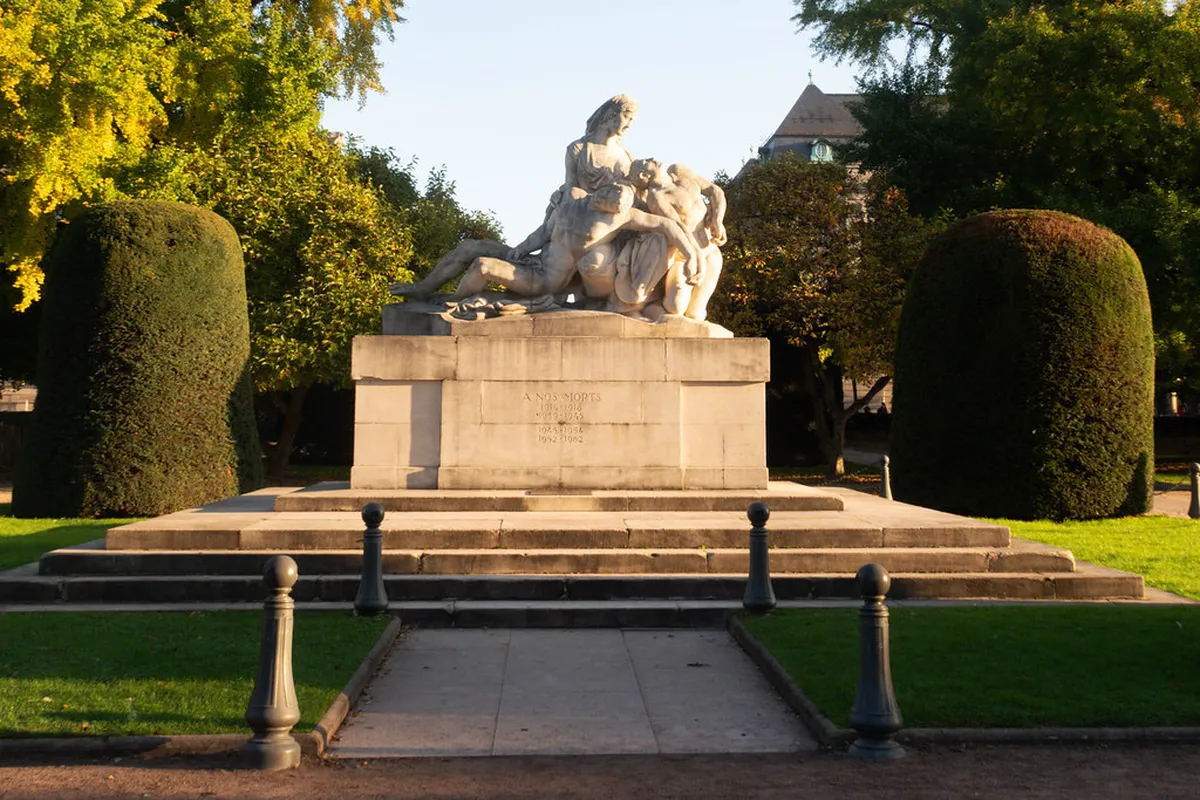
Engineers designed the streets to converge on large circular squares throughout the district. These squares acted as hubs for traffic and provided space for public monuments. The most famous is the Place de la République, which connects several major avenues. It serves as a green oasis in the middle of the stone buildings.
The planning also included the modernization of the Ill river banks in the city. Stone embankments were built to prevent flooding and create scenic walking paths for residents. These paths remain popular today for locals who want to exercise or commute. They offer beautiful views of the imperial buildings reflected in the calm river water.
Public transportation was integrated into the plan from the very beginning of construction. Wide streets allowed for the installation of tram lines that connected different neighborhoods easily. This foresight made Strasbourg one of the most accessible cities in Europe at the time. Modern trams in 2025 still follow many of these original imperial transportation routes.
Infrastructure like sewage and electricity was hidden beneath the ground to maintain aesthetics. This was a cutting-edge approach that set a high standard for other European cities. The district felt modern and clean compared to older parts of the urban center. This focus on hygiene was a hallmark of late 19th-century German urbanism.
The Impact of Imperial Design on Modern Strasbourg
The German imperial urban planning in Strasbourg created a lasting legacy for the city. After World War I, the district became a symbol of a complex shared history. France chose to preserve the buildings rather than destroy them after regaining the territory. This decision allowed the city to keep its unique and diverse architectural character.
Today, the Neustadt is a vibrant part of the city with many residents. It hosts museums, theaters, and many of the city's most important cultural institutions. The blend of French lifestyle and German architecture creates a very special atmosphere. It is a place where history feels alive in every stone and square.
UNESCO recognized the importance of this district by adding it to the World Heritage list. They noted that the Neustadt is a rare example of preserved 19th-century urbanism. It complements the older medieval center to tell the full story of the city. Strasbourg is now one of the few cities with two distinct historical zones.
Walking through the district in 2025 feels like stepping back into the late 1800s. The buildings have been protected by strict laws to prevent any modern changes. You can still see the original street lamps and ornate iron fences today. It is a testament to the quality of the original imperial construction work.
The district continues to evolve while respecting its rich and complicated historical past. New businesses and boutiques occupy the ground floors of the grand imperial houses. This helps keep the area active and relevant for the people living there. The Neustadt remains a prestigious address and a central part of local identity.
Frequently Asked Questions
What is the Neustadt district in Strasbourg?
The Neustadt is a large district built during the German imperial period. It was constructed between 1871 and 1914 to modernize the city. The area is known for its wide boulevards and grand Neo-Renaissance buildings. It is now a UNESCO World Heritage site and a central residential hub.
How much time do I need to see the imperial architecture?
You should plan for at least three to four hours for a walk. This allows you to see the main squares and the Palais du Rhin. Most visitors start at Place de la République and walk toward the University. Guided tours often take about two hours for the highlights of the area.
Is the Neustadt district walkable for tourists?
The district is very walkable because of its wide and flat sidewalks. Most of the major landmarks are located within a short distance of each other. You can also use the efficient tram system to reach the outer edges. It is a perfect area for an afternoon of architectural photography and exploring.
Are there museums in the German imperial district?
Yes, there are several cultural institutions and museums located within the Neustadt. The National and University Library often hosts interesting historical and architectural exhibitions. You can also visit the Palais du Rhin during certain heritage days each year. The district itself acts like an open-air museum of 19th-century urban design.
The German imperial urban planning in Strasbourg created one of Europe's most beautiful districts. The Neustadt remains a powerful symbol of the city's unique and multicultural history. You can experience this grand vision by visiting the Place de la République today. We invite you to explore these historic streets and discover the stories within the stones.
Key Takeaways
- The Neustadt district was built to showcase German imperial power after 1871.
- The area features wide boulevards and Neo-Renaissance architectural styles from the 19th century.
- Strasbourg is a UNESCO World Heritage site because of its well-preserved imperial urban layout.
Related reads: architecturebycity.com, national and university library strasbourg design, strasbourg cathedral gothic architecture.