
Saint-Urbain Basilica Gothic Features in Troyes
Explore the Saint-Urbain Basilica gothic features in Troyes, France. Learn about Rayonnant architecture and plan your 2025 trip. Read our expert guide now!
On this page
The Saint-Urbain Basilica in Troyes stands as a pinnacle of medieval engineering and French religious art. Visitors in 2025 will discover that the Saint-Urbain Basilica gothic features define the transition to the Rayonnant style. This architectural gem reflects the ambition of Pope Urban IV who commissioned the building in his hometown. It remains one of the most significant Gothic churches of Troyes due to its slender proportions.
Architects designed this structure to emphasize light and verticality through the use of innovative construction techniques. The interior offers a sense of weightlessness that distinguishes it from earlier, heavier Romanesque styles of building. You will find that the walls consist almost entirely of glass supported by thin stone frames. This analysis explores the specific elements that make this site a global destination for architecture lovers.
The Origins of a Papal Masterpiece
Pope Urban IV founded the basilica in twelve hundred and sixty-two on the site of his father’s workshop. This personal connection drove the high quality of the materials and the expertise of the medieval stonemasons. The construction process was difficult because the nearby nuns of Notre-Dame-aux-Nonnains resisted the project fiercely. They even attacked the building site and broke down the newly installed doors during the initial construction phase.
Despite these early setbacks the basilica rose as a symbol of papal power and modern architectural innovation. The design moved away from the thick walls common in the twelfth century toward a much thinner skeleton. Artisans used high-quality limestone from local quarries to create the intricate details found on the exterior facades. Today the building serves as a testament to the resilience of the craftsmen who built it.
You can see the influence of the French royal court in the refined aesthetic of the early walls. The project stalled after the death of the Pope but resumed during the nineteenth-century restoration efforts. These later additions followed the original plans closely to preserve the stylistic integrity of the Gothic vision. The resulting structure presents a unified look that captures the essence of late medieval artistic trends.
Defining Features of Rayonnant Gothic Style
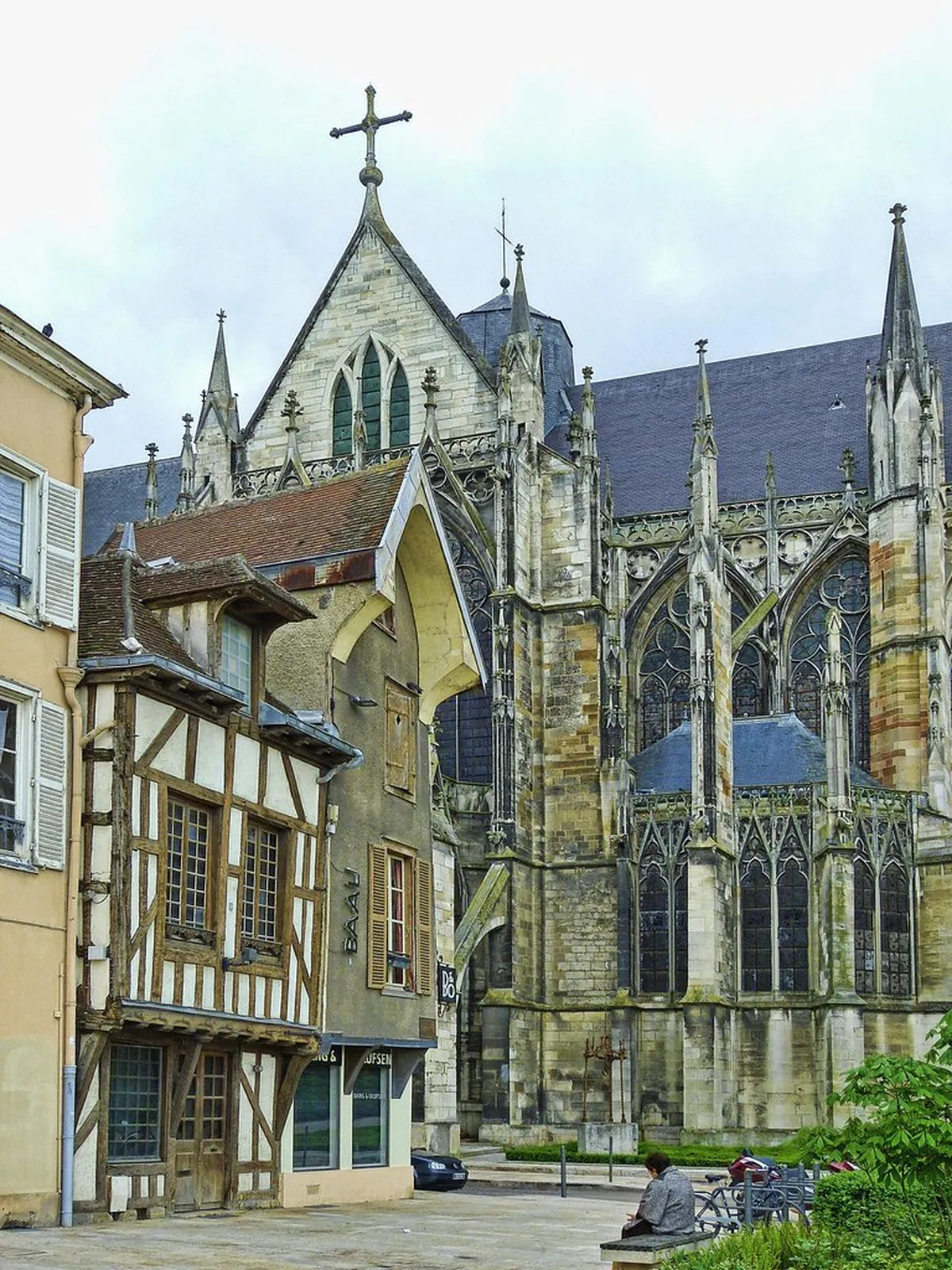
The Saint-Urbain Basilica gothic features are best exemplified by the move toward the delicate Rayonnant style of building. This style focuses on maximizing the size of windows to allow divine light to flood the sacred space. The architects achieved this by using advanced flying buttresses that distribute the weight of the roof effectively. This engineering feat allowed for the removal of heavy masonry walls that previously blocked natural sunlight.
Slender columns rise toward the ceiling to support the complex rib vaults that span the central nave area. Each column appears thin but possesses the strength needed to carry the massive load of the stone roof. The transition from the walls to the windows is nearly seamless which creates a stunning visual effect. This creates a skeleton-like frame that was very revolutionary for the middle of the thirteenth century.
The exterior gables and pinnacles add to the verticality and elegance of the overall silhouette of the basilica. These decorative elements serve a structural purpose by providing extra weight to stabilize the thin walls of the nave. You will notice the sharp angles and pointed arches that define the French Gothic movement during this era. Every detail serves to draw the eye upward toward the heavens in a display of religious devotion.
The Brilliance of Medieval Stained Glass
The stained glass collection within the basilica is among the finest examples of medieval craftsmanship in Western Europe. Most of the original glass dates back to the late thirteenth century and remains in excellent condition today. These windows depict scenes from the life of the Virgin Mary and various saints important to the region. The vibrant colors and detailed figures highlight the advanced skills of the glass painters in Troyes.
The windows use a technique called grisaille which combines clear glass with painted sections to control light levels. This method ensures that the interior remains bright while still displaying complex and beautiful religious narratives to worshippers. You can learn more about this artistic legacy by exploring the glass heritage in Troyes at nearby museums. The interplay of light and shadow changes throughout the day as the sun moves across the sky.
During the summer months the evening light creates a kaleidoscope of colors on the stone floors of the nave. This immersive experience allows visitors to connect with the spiritual atmosphere that the original architects intended to create. Modern restoration efforts have carefully cleaned the panels to reveal the original brilliance of the medieval pigments used. It remains a highlight for anyone interested in the history of European decorative arts and religious symbolism.
Sculptural Details and the Western Porch
The western facade features a magnificent porch that showcases some of the best sculptures in the Champagne region today. Intricate carvings decorate the tympanum and show scenes from the Last Judgment with incredible detail and emotional depth. Figures of angels and demons surround the central image of Christ to remind visitors of the spiritual stakes. The stone carving is so fine that it resembles delicate lace when viewed from a short distance away.
Wait until you see the North portal which contains carvings of the life of Saint Urban and his family. These smaller sculptures provide a glimpse into the clothing and tools used during the thirteenth century in France. The realism of the facial expressions and the movement in the drapery of the figures is truly remarkable. These artistic choices reflect the growing interest in naturalism that characterized the later stages of the Gothic period.
Pro Tip: Look closely at the gargoyles and water spouts that line the upper levels of the exterior walls. These functional elements were carved into the shapes of mythical beasts and strange creatures to ward off evil. They also serve to direct rainwater away from the delicate stone walls to prevent erosion over the years. This combination of utility and artistry is a hallmark of the Saint-Urbain Basilica gothic features you see.
Interior Layout and Spiritual Symbolism
The interior layout follows a traditional cruciform plan but feels much more open than other contemporary French cathedrals. There is no ambulatory or triforium which simplifies the space and focuses all attention on the high altar. This lack of intermediate levels allows the windows to reach from the floor almost to the vaulted ceiling. The result is a unified space that feels incredibly modern despite being over seven hundred years old.
The choir area is particularly beautiful with its high windows and narrow proportions that create a sense of height. Medieval pilgrims would have been awestruck by the height of the vaults and the clarity of the interior. The simplicity of the floor plan highlights the complex patterns of the stained glass and the ribbing. It creates a tranquil environment that is perfect for quiet reflection and appreciation of the historical surroundings.
Visitors can also see the tomb of Pope Urban IV which was finally returned to the basilica in 1935. This monument honors the man whose vision and funding made the construction of this architectural masterpiece possible originally. The tomb is decorated with symbols of the papacy and local heraldry that connect the building to history. This provides a final piece of the puzzle for understanding the deep historical roots of the basilica.
Practical Visitor Information for 2025
Planning a Troyes architectural walking tour is the best way to see the basilica in its full urban context. The basilica is located at Place de la Libération and is easily accessible on foot from the center. It is open daily from 10:00 AM to 12:00 PM and again from 2:00 PM to 6:00 PM. Entry is free but donations are encouraged to help with the ongoing maintenance of the historic structure.
Expect to spend at least one hour exploring the interior and the exterior details of the sculpture and glass. Photography is allowed without a flash so you can capture the stunning light effects during your visit in 2025. Wear comfortable shoes as the stone floors can be uneven and the surrounding streets are made of cobblestones. The area around the basilica also features many local cafes where you can rest after your architectural tour.
Check the local tourism office for updates on special events or religious services that might affect public visiting hours. The basilica occasionally hosts organ concerts that take advantage of the incredible acoustics within the high vaulted nave area. These events offer a unique way to experience the building as it was intended to be used centuries ago. Troyes is a wonderful city that rewards those who take the time to look closely at its history.
Frequently Asked Questions
What is unique about the Saint-Urbain Basilica gothic features?
The basilica is unique for its Rayonnant style which uses extremely thin stone supports and massive windows. This design creates an interior that is filled with light and feels weightless compared to other churches. The lack of a triforium allows the windows to dominate the entire height of the building walls.
When was the Saint-Urbain Basilica built?
Construction began in 1262 under the orders of Pope Urban IV who was born in the city of Troyes. The main structure was completed by 1286 but restoration continued through the nineteenth century to finish the roof. It represents the peak of architectural technology available during the late Middle Ages in France.
Is there a fee to visit the Saint-Urbain Basilica in Troyes?
Entrance to the basilica is free for all visitors which makes it a great stop on any budget. You may wish to leave a small donation to help preserve the medieval stained glass and sculptures. Guided tours are sometimes available for a small fee through the local tourism office during peak seasons.
The Saint-Urbain Basilica gothic features offer a rare look into the height of medieval architectural ambition and religious art. This building remains a must-see destination for anyone visiting France in 2025 due to its beauty and history. Its thin walls and expansive glass represent a turning point in how humans designed sacred spaces for worship. Plan your visit to Troyes today to witness the incredible light and stone lace of this masterpiece.
Key Takeaways
- Saint-Urbain is a premier example of the Rayonnant Gothic style in France.
- The 13th-century stained glass and grisaille windows are among the best in Europe.
- The basilica was founded by Pope Urban IV on the site of his childhood home.
- Visit between 10 AM and 6 PM for the best natural light through the windows.
- Entry is free for the public and the site is centrally located in Troyes.
Related reads: architecturebycity.com, architecture in troyes, saint pierre et saint paul cathedral architecture.