
The Sainte-Madeleine Church Rood Screen Guide
Explore the Sainte-Madeleine Church rood screen in Troyes. Learn about this 2025 Gothic masterpiece and its rare stone lace. Plan your art history visit today!
On this page
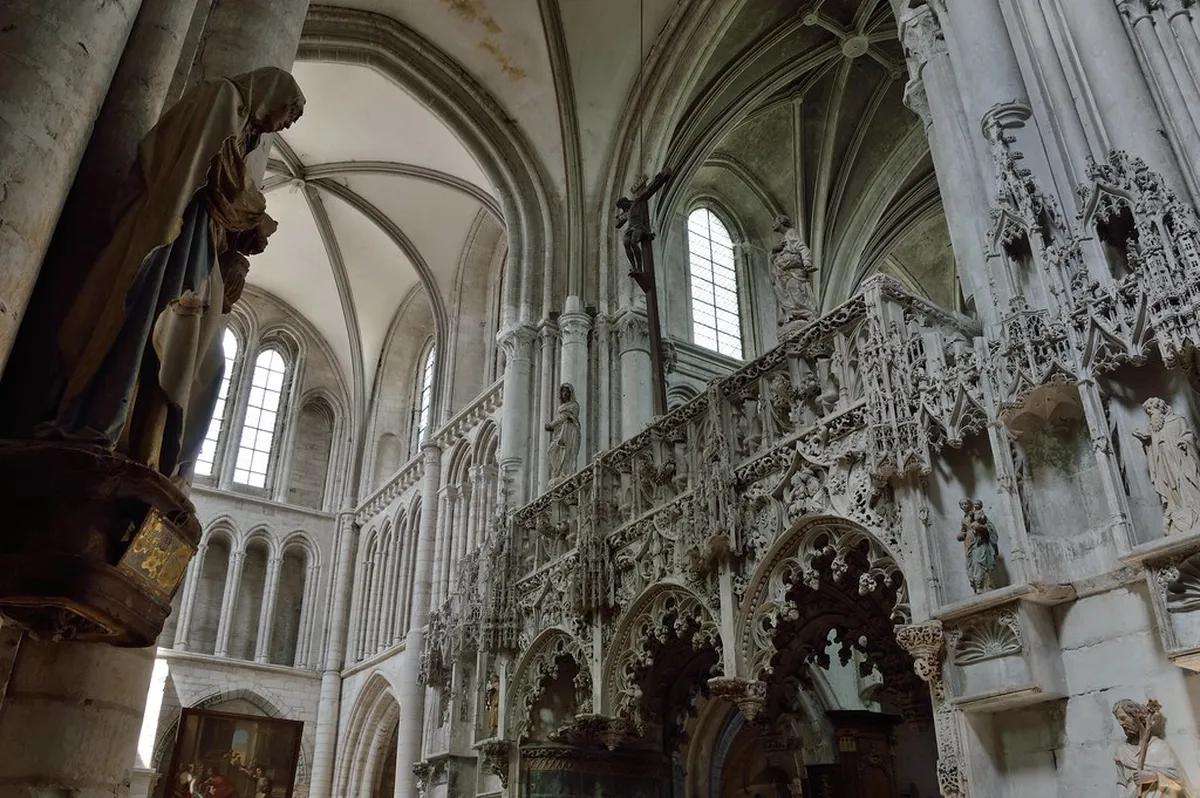
The Sainte-Madeleine Church rood screen remains a pinnacle of French medieval art. This breathtaking structure sits within the oldest church in the historic city of Troyes. Visitors travel from around the world to see this rare architectural treasure. It represents one of the few surviving rood screens in the entire country today.
This masterpiece is a vital part of the Gothic churches of Troyes heritage. It separates the nave from the choir with incredible artistic grace. The screen showcases the transition from Late Gothic to early Renaissance styles. Every inch of the limestone surface features intricate details that mimic delicate lace.
In 2025, this church remains a top destination for art historians and tourists alike. It offers a unique window into the spiritual and cultural life of the 16th century. The church itself provides a peaceful atmosphere for quiet reflection and study. You will find it located in the heart of the ancient town center.
The Craftsmanship of Artist Jean Gailde
Master sculptor Jean Gailde designed the Sainte-Madeleine Church rood screen in the early 1500s. He dedicated years of his life to perfecting this massive stone installation. His work reflects the extreme skill of the local Trojan school of sculpture. The project was finally completed around the year 1517 after much labor.
Jean Gailde chose to use fine local limestone for this ambitious project. This material allowed him to carve deep undercuts and complex floral patterns. The resulting structure looks surprisingly light despite its immense physical weight. Many observers compare the finished product to a piece of woven fabric or jewelry.
The artist was so proud of this work that he requested burial beneath it. You can still see his tombstone located at the foot of the screen today. This gesture shows the deep spiritual connection between the creator and his creation. It serves as a lasting tribute to his immense contribution to French art.
Gailde used three wide arches to support the weight of the upper gallery. These arches feature pendant keystones that seem to defy the laws of gravity. Each section of the screen displays unique patterns that never repeat themselves. This variety keeps the viewer engaged while exploring every small detail of the stone.
Architectural Significance and Stone Lace
The primary feature of this monument is its incredible stone lace appearance. Carvers worked with extreme precision to create openwork patterns in the solid limestone. Light passes through the screen to create beautiful shadows across the church floor. This effect changes throughout the day as the sun moves across the sky.
Rood screens were common in medieval churches but many were later removed. Most were destroyed during the French Revolution or discarded during the Enlightenment period. The survival of this specific screen makes Sainte-Madeleine a globally significant site. It helps historians understand the original layout of high Gothic religious spaces.
The screen served both a practical and a symbolic role within the liturgy. It physically separated the clergy in the choir from the laypeople in the nave. This division emphasized the mystery and sacredness of the religious ceremonies performed inside. Today, it stands as a beautiful reminder of those ancient religious traditions.
You can see various biblical figures and saints integrated into the architectural design. These sculptures provide a visual narrative for those who could not read at the time. The expressions on the faces of the figures remain remarkably clear after five centuries. These details contribute to the overall fame of architecture in Troyes today.
Stained Glass and Interior Details
Beyond the screen, the church houses some of the finest stained glass in France. The windows date back to the late 15th and early 16th centuries. They depict scenes from the life of Mary Magdalene and other biblical stories. The colors remain vibrant and deep even after centuries of exposure to light.
The apse windows are particularly famous for their rich blues and striking reds. These pieces of glass were crafted by master glaziers during the city's golden age. They complement the white limestone of the rood screen perfectly in the afternoon light. Visitors often spend hours studying the complex narratives shown in the window panes.
The church interior also features beautiful Renaissance paintings and several historic statues. Each artwork reflects the wealth and devotion of the local merchants of Troyes. These donors funded the renovations that transformed the church into an artistic gallery. The combination of stone and glass creates a truly immersive historical experience.
You should pay close attention to the Saint Sebastian statue located nearby. It is another example of the high-quality sculpture produced in the 16th century. The realism in the muscle structure shows the influence of the Italian Renaissance. These elements make the church a comprehensive museum of early modern religious art.
Comparing the Gothic Churches of Troyes
Sainte-Madeleine is just one of several stunning Gothic churches in the city. The Troyes Cathedral is much larger but offers a different architectural feeling. Saint-Urbain Basilica provides a look at the radiant Gothic style from an earlier period. However, Sainte-Madeleine remains unique because of its incredible flamboyant rood screen.
Walking between these sites allows you to see the evolution of French architecture. Each building tells a different story about the growth and history of the town. The narrow streets of the city center connect these monuments in a walkable loop. You can easily visit three or four major churches in a single afternoon.
The city's historic district is often called the Bouchon de Champagne due to its shape. This area contains the highest concentration of listed historic monuments in the region. Sainte-Madeleine sits on the western edge of this famous cork-shaped district. It provides a perfect starting point for any architectural walking tour of the city.
Many travelers find that the smaller churches offer a more intimate experience. Sainte-Madeleine feels less like a tourist trap and more like a living monument. The quietude allows you to appreciate the stone carvings without large crowds. This peacefulness is a hallmark of the best religious sites in the Champagne region.
Visiting Sainte-Madeleine Church in 2025
Planning a visit to see the rood screen in 2025 is quite simple. The church is generally open to the public from Tuesday through Sunday each week. Most visitors find that morning hours provide the best lighting for photography inside. Entry to the church is currently free for all visitors to enjoy.
The church is located at the Rue de la Madeleine in central Troyes. It is a short ten-minute walk from the main train station. You can find several small cafes and bakeries located on the nearby streets. These spots are perfect for a quick break after exploring the historic interior.
Keep in mind that the church is still an active place of worship. You should remain quiet and respectful during your visit to the site. Photography is usually allowed but you must avoid using flash near the old glass. Check the local parish website for any special events or service times.
Guided tours are often available through the local tourism office during peak months. These tours provide deeper insights into the symbols found on the stone screen. Experts can point out small details that most casual observers might miss. A professional guide will help you fully appreciate the genius of Jean Gailde.
Frequently Asked Questions
What is the best time to see the rood screen?
The best time to visit is during a sunny morning in 2025. Natural light illuminates the stone lace and the stained glass windows beautifully. The church is usually quietest during the weekdays of the spring season.
Are there other places to see stained glass in Troyes?
Yes, you should definitely visit the Cité du Vitrail to learn more. This museum showcases the history of stained glass across the entire region. It is located just a short walk from Sainte-Madeleine Church.
How much does it cost to enter Sainte-Madeleine?
Entrance to the church and viewing the rood screen is currently free. Donations are always welcome to help with the ongoing maintenance of the building. This makes it an excellent budget-friendly activity for art lovers.
Is the church accessible for people with mobility issues?
The main floor of the church is generally accessible for most visitors. However, the historic streets outside are paved with old and uneven cobblestones. Please take care when walking through the historic district surrounding the church.
The Sainte-Madeleine Church rood screen is a true masterpiece of French architecture. Its delicate stone lace and historical significance make it a must-see destination in 2025. You will leave with a deep appreciation for the skill of medieval stone carvers. Plan your trip to Troyes today to witness this incredible Gothic treasure in person.
Key Takeaways
- See the rare 16th-century stone rood screen by Jean Gailde.
- Admire the vibrant stained glass windows from the Renaissance era.
- Visit the church for free in the heart of historic Troyes.
- Experience the peaceful atmosphere of an active medieval parish.
Related reads: architecturebycity.com, saint pierre et saint paul cathedral architecture.