
Amboise Castle Guided Tours for Architects: 2025 Guide
Discover top Amboise castle guided tours for architects in 2025. Explore Renaissance design and expert restoration. Book your professional tour today!
On this page
Amboise Castle stands as a crown jewel of the Loire Valley. Its unique skyline defines the charming town of Amboise in France. Professional designers often seek specialized Amboise castle guided tours for architects to explore its structures. These tours provide deep insights into the transition of French design styles.
You will witness the shift from medieval fortresses to elegant palaces here. The site offers a masterclass in European architectural evolution and stone masonry. Expert guides help visitors understand the complex engineering of the Renaissance era. This Chateau Royal d'Amboise architecture provides a rare look at historical construction.
The Renaissance Evolution of Royal Amboise
The royal residence showcases a fascinating blend of architectural eras. King Charles VIII began the transformation during the late 15th century. He brought Italian craftsmen to introduce new decorative elements to France. Architects can study the French Renaissance architecture in Amboise throughout this site.
The castle reflects a unique cultural exchange between two powerful nations. Massive towers were designed to allow horse-drawn carriages easy access. These helical ramps represent a significant engineering feat for the 1490s. The Minimes Tower offers a perfect example of this functional masonry design.
You can examine the structural integrity of these ancient stone passages. The scale of these circular ramps remains impressive to modern engineers. The vaulted ceilings demonstrate advanced knowledge of weight distribution and stability. These spaces highlight the intersection of military defense and courtly comfort.
The upper levels feature elegant apartments with refined stone fireplaces. These interiors display the move toward human-centric residential design in France. Large windows allowed natural light to flood the formerly dark medieval spaces. This change marked a significant departure from earlier fortress construction styles.
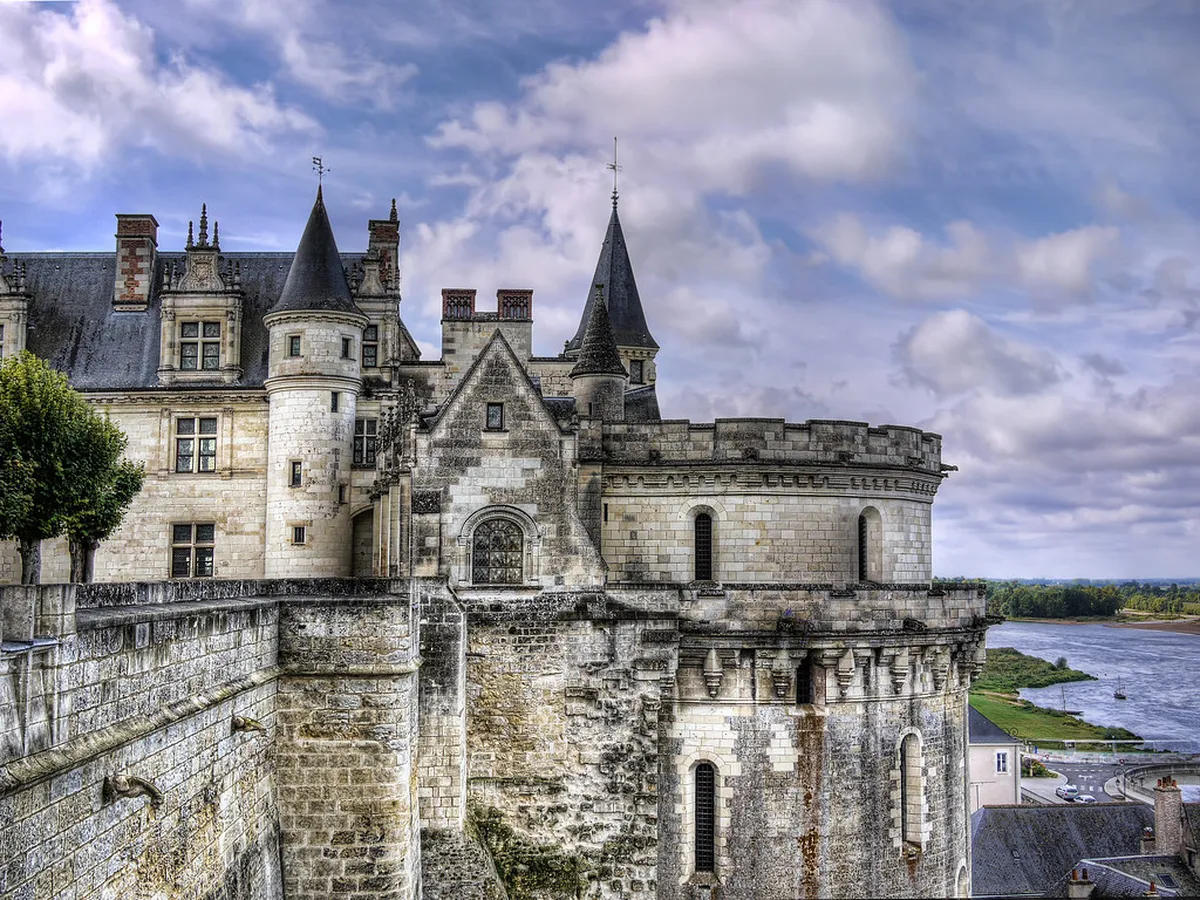
The roofline of the castle creates a striking silhouette against the sky. Elaborate dormer windows and chimneys showcase the wealth of the French monarchy. These external features provided both ventilation and symbolic prestige for the crown. You will notice the intricate details carved into the limestone surfaces.
Specialized Architectural Details and Masonry
The material choice is a defining feature of this historic monument. Most of the structure uses local tufa stone from the region. This soft limestone allows for the intricate carvings seen on the facades. You can learn about tufa stone masonry in the Loire Valley during your visit.
The porous nature of the stone requires constant preservation efforts. Architects should pay close attention to the rooflines and decorative chimneys. These elements highlight the transition from defensive needs to aesthetic beauty. The castle's profile changed significantly during the reigns of multiple kings.
Each monarch added their own specific stylistic preferences to the site. The result is a complex puzzle of historical design choices. Professionals will appreciate the subtle shifts in stone cutting and jointing. These variations reveal the skills of different generations of master masons.
The foundation work incorporates the natural limestone cliffs of the riverbank. This integration of geology and architecture is a common local building technique. The subterranean levels provide a glimpse into the earlier fortress foundations. You can observe the thickness of the defensive walls in these areas.
The gargoyles and decorative carvings serve both functional and aesthetic roles. These elements manage rainwater while telling stories of the French court. Modern architects can study these drainage systems to understand historical engineering. The preservation of these details is essential for maintaining the castle's character.
Comparing Professional Tours for Designers
Standard tours often focus on historical anecdotes and royal scandals. Designers usually prefer private architecture tours in Amboise for technical details. These specialized sessions dive deep into the structural mechanics of the castle. You can ask specific questions about the load-bearing walls.
Expert guides explain the restoration techniques used to maintain the limestone. Booking a professional tour costs between 150 and 300 Euros per group. Most sessions last roughly two to three hours for detailed explorations. You should book at least two weeks in advance for 2025.
Private tours provide exclusive access to areas usually closed to the public. This allows for a more intimate study of the masonry. You can photograph specific structural details without large crowds in your frame. These tours offer a tailored experience for design professionals and students.
The guides often have backgrounds in art history or structural engineering. They can provide blueprints and historical diagrams for your review during the walk. This level of detail is rarely found in standard audio guides. You will leave with a much deeper understanding of the building.
Groups are kept small to allow for meaningful technical discussions. This format encourages participants to share their own professional insights and observations. You will find the collaborative atmosphere very rewarding for your architectural research. The tour focus can be adjusted to your specific interests.
Gothic Influence in Saint-Hubert Chapel
The Chapel of Saint-Hubert is a masterpiece of Flamboyant Gothic style. It sits perched on the castle walls overlooking the town below. The intricate stone lace work demonstrates the peak of medieval craftsmanship. Architects will marvel at the delicate spires and detailed carvings.
This chapel serves as the final resting place for Leonardo da Vinci. The interior features stunning stained glass and high vaulted ceilings. The proportions of the space create a sense of verticality and light. It stands in contrast to the more robust royal living quarters.
This building highlights the religious architectural trends of the late 15th century. The restoration of the chapel has preserved its original structural elegance. Designers can study the rib vaults and their decorative boss stones. These features illustrate the complexity of late Gothic masonry in France.
The chapel's exterior carvings depict various religious and royal symbols. These figures are carved directly into the white tufa stone facades. The detail remains remarkably sharp despite centuries of exposure to the elements. Architects can analyze the weathering patterns on these delicate stone surfaces.
The placement of the chapel on the ramparts is structurally unique. It utilizes the massive defensive walls as a solid foundation base. This positioning reflects the close link between the monarchy and the church. The views from the chapel terrace are unmatched in the entire city.
Amboise Castle Guided Tours for Architects Planning
Visit the castle during the shoulder seasons for the best experience. May, June, and September offer mild weather and smaller crowds. The site opens daily from 9:00 AM until sunset throughout the year. Tickets for standard entry cost approximately 16 Euros for adults.
Amboise is easily accessible via train from Paris in under two hours. The walk from the station to the castle takes ten minutes. Wear comfortable shoes as the castle grounds involve significant walking on stone. The town also features many other architectural highlights nearby.
Plan your Amboise castle guided tours for architects for the morning hours. This timing provides the best natural light for architectural photography. The morning sun illuminates the western facades and the chapel details perfectly. You will avoid the largest tour groups that arrive after midday.
The castle gift shop offers several high-quality books on Loire architecture. These resources are excellent for further research after your guided visit. Many titles are available in multiple languages for international design professionals. You can find detailed floor plans and historical reconstruction drawings there.
Nearby cafes offer great views of the castle for your lunch break. This allows you to sketch the structure from a different perspective. Many restaurants are housed in historic buildings within the old town area. These sites provide additional context for the local building styles.
Landscape Architecture and Site Context
The castle gardens offer a masterclass in Renaissance landscape design. These outdoor spaces were intended to extend the palace's symmetry. Mediterranean plants were introduced to the Loire Valley during this specific period. The terraced gardens provide strategic views of the river and town.
Architects can analyze the relationship between the built environment and nature. The formal gardens follow geometric patterns typical of the 16th century. Boxwood hedges and sculpted lawns create a sense of order. This design philosophy emphasizes human control over the natural landscape.
The layout reflects the political power and cultural status of the monarchy. These gardens remain an essential part of the overall architectural experience. You can see how the gardens integrate with the defensive ramparts. This combination of utility and beauty is a hallmark of the era.
The modern landscape team uses traditional techniques to maintain the grounds. This dedication ensures the gardens remain historically accurate for all visitors. You can observe the pruning methods used for the ornamental trees. These practices have been passed down through generations of French gardeners.
The views from the terrace highlight the castle's strategic regional position. You can see how the structure dominates the surrounding river valley. This visual dominance was a key requirement for royal residences in France. The relationship between the castle and the river remains largely unchanged.
Frequently Asked Questions
What is the best tour for architects?
The best option is a private architectural tour with an expert guide. These sessions focus on structural details and masonry techniques. You will get more value from a technical discussion than a standard visit.
Can you see Leonardo da Vinci's designs?
The castle reflects many Italian influences that da Vinci helped promote. His influence is most visible in the decorative styles of the era. The Chapel of Saint-Hubert also holds his final resting place.
How much do private architecture tours cost?
Private tours for professionals usually cost between 150 and 300 Euros. Prices vary based on group size and the duration of the tour. These costs often include skip-the-line access to the monument.
When should architects visit Amboise Castle?
Visit in May or September for the best light and fewer tourists. These months provide comfortable temperatures for walking the extensive grounds. Morning visits offer the most striking light for architectural photography.
Amboise Castle remains a vital study for any professional architect visiting France. The site offers a rare look at the evolution of European design. You can gain valuable insights through specialized Amboise castle guided tours for architects. These tours help bridge the gap between historical theory and physical structure. Plan your 2025 trip to witness these historical restoration projects in Amboise firsthand.
Key Takeaways
- Book private tours for in-depth technical discussions on Renaissance engineering.
- Study the helical ramps in the Minimes Tower for historic structural solutions.
- Visit the Chapel of Saint-Hubert to analyze Flamboyant Gothic masonry details.
- Allow at least four hours to explore both the castle and gardens.
Related reads: architecturebycity.com.