
Arles Architecture Hidden Gems: 7 Secret Spots
Explore the best Arles architecture hidden gems today. Find secret Roman sites and modern wonders on your next trip. Book your French getaway now!
On this page
Welcome to the beautiful city of Arles in the south of France. This ancient town offers many Arles architecture hidden gems for curious travelers to find. You can see layers of deep history on every narrow street corner. It is a perfect place for history lovers and photography fans today.
Most visitors only see the famous Roman Arena in the city center. However, many quiet corners hold incredible architectural secrets for you to discover. You will find great beauty in the small stone details here. Let us explore these lesser-known treasures together in this historic city.
Secret Roman Foundations Beneath the City
The Cryptoporticus remains a massive and silent underground Roman wonder today. These giant stone tunnels sit directly beneath the main central town square. They served as the sturdy foundation for the ancient forum long ago. Most visitors walk over this hidden structure without knowing it exists.
The air feels very cool and damp inside these long stone halls. Massive stone arches stretch far into the dark shadows of the past. You can see the incredible skill of the master ancient Roman builders. It is a quiet escape from the hot and sunny city streets.
Admission costs about 5 Euros for most adults during the year 2025. The site usually opens daily at 9:00 AM for all interested visitors. You should definitely bring a light jacket for the cold damp air. Spend at least thirty minutes exploring every one of the dark paths.
This site is part of a larger Roman architecture in Arles journey. It shows the massive scale of ancient urban planning in Gaul. You can see how the city grew over many long centuries. Do not miss this underground masterpiece on your next French trip.
Elegant Renaissance Mansions and Private Courtyards
Arles hides many private mansions behind very tall and heavy wooden doors. These buildings show the great wealth of the 16th century local elite. You can spot ornate stone carvings on the grand front walls. Many of these homes are located near the busy city center.
One great example of this style is the Hotel de Baroncelli. It features a beautiful courtyard with several elegant arched stone walkways. The stone details reflect the refined style of that historical period. Look for open gates as you walk by these ancient houses.
These mansions are highlights of an Arles architectural walking tour route. You can find many of them in the quiet La Roquette district. Many homes are now private apartments or small artisan shops. Always respect the privacy of the local residents living there today.
Admission to these courtyard areas is usually free if the gate opens. Some mansions allow visitors during special national heritage days each year. Check the local tourism office for specific opening times and dates. These spots offer great photo opportunities for every modern traveler.
Modern Marvels and Luma Arles Architecture
Arles is not just about ancient stone buildings and Roman ruins. The Frank Gehry tower at LUMA Arles is a stunning modern sight. It features thousands of shimmering stainless steel panels on its unique exterior. This tower reflects the bright light of the warm Provence sun.
This site was once an old and dusty industrial rail yard. Now, it stands as a bold symbol of modern creative design. You can explore the surrounding public park for free every day. The views from the top of the tower are truly incredible.
The Luma Arles architecture connects the past with the bright future. It uses local salt and stone in many very unique ways. The design feels like a jagged mountain of shining silver metal. It changed the skyline of Arles forever in a bold way.
Visit the site in the late afternoon for the best light. The metal panels glow with warm golden colors at that time. Entrance to the main tower is free with a timed booking. The park usually closes at 6:00 PM during the winter months.
Arles Architecture Hidden Gems in La Roquette
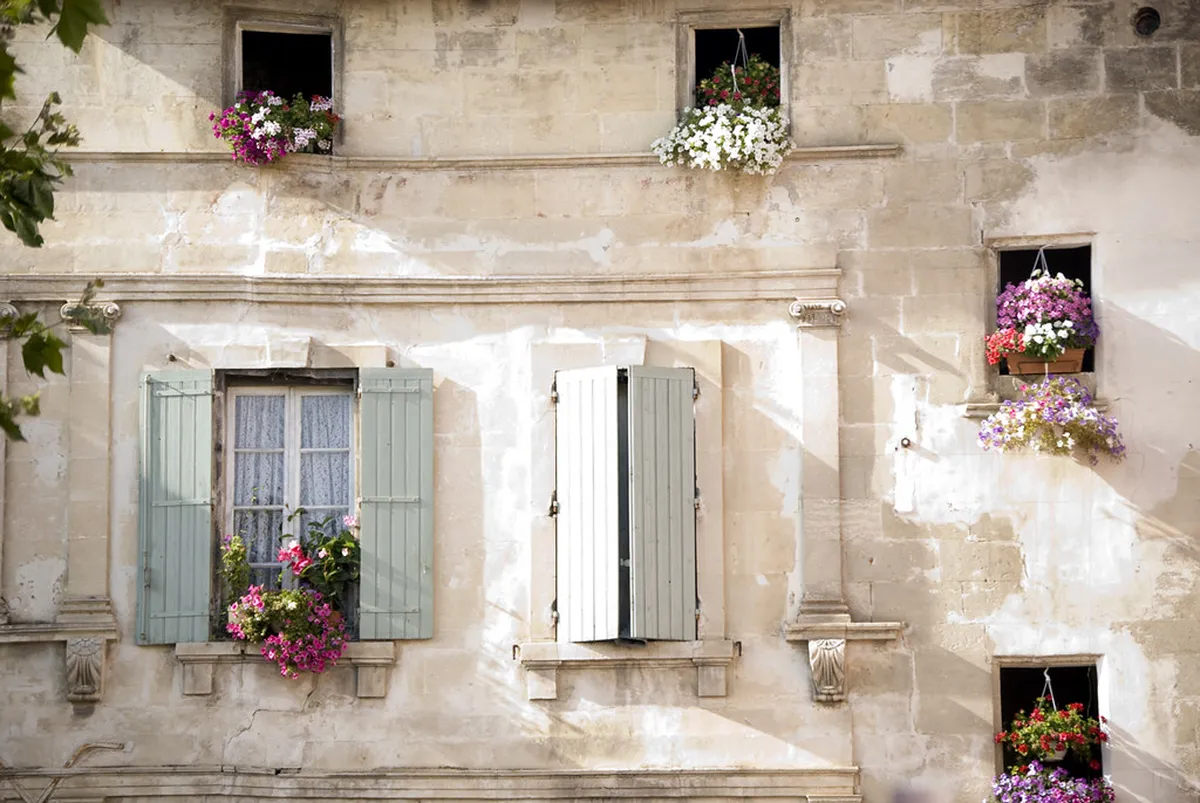
The La Roquette district was once a home for local sailors. Today, it is full of narrow and winding medieval stone streets. You will see small houses with many colorful wooden window shutters. Green vines often grow up the old and weathered stone walls.
This area feels like a small village hidden within the city. You can find small squares with ancient stone water fountains. The architecture here is simple but very charming for every visitor. It offers a nice break from the busy tourist sites.
Look for the Place Paul Doumer to see real local life. You can sit at a cafe and watch people walk by. The buildings around the square have many beautiful iron balconies. Each corner reveals a new secret for you to enjoy.
Take your time to walk through every single narrow alleyway. Most streets are too narrow for many modern cars to pass. This makes it a very peaceful place to walk around. Bring a camera for the unique textures and bright colors.
Industrial Heritage at the Blue Museum
The Musee Departemental Arles Antique is a bright blue architectural wonder. This modern building sits on the quiet edge of the town. It was designed by the famous architect named Henri Ciriani. The bold blue walls stand out against the clear blue sky.
The museum holds many incredible treasures from the ancient Roman era. You can see a complete and rare Roman barge inside. The building design allows lots of soft natural light inside. It makes the ancient stone statues look very lifelike today.
The gardens around the museum are also worth seeing for visitors. They feature many plants used in the ancient Roman times. You can walk along the river path near the museum site. It is a very scenic and quiet area for walking.
Tickets for the museum cost around 8 Euros for most people. It is open every day except for Tuesdays each week. The site is about a fifteen-minute walk from the town. Use the local shuttle bus if you are feeling tired.
Medieval Secrets of the Alyscamps Path
The Alyscamps is an ancient Roman and medieval burial ground. It features a long path lined with heavy stone coffins. Big cypress trees provide shade for the entire quiet walk. It feels very peaceful and quite somber in this place.
You will find the Church of Saint-Honorat at the very end. This church shows the beauty of simple and sturdy Romanesque design. The stone walls are thick and look very old today. It has a unique atmosphere that stays with you forever.
Many famous artists painted this specific and scenic stone location. Vincent van Gogh and Paul Gauguin both loved this historic spot. You can see why they were so inspired here today. The light through the trees is quite magical in autumn.
Entrance to this historic site is around 5 Euros today. It is open from 9:00 AM until 6:00 PM daily. Wear comfortable shoes for the many uneven gravel paths here. It is a must-see for all true architecture fans.
Frequently Asked Questions
What are the best Arles architecture hidden gems to visit?
You should visit the Cryptoporticus and the La Roquette district. The LUMA Arles tower is also a great modern choice. These spots offer a mix of old and new architecture.
Is Arles walkable for an architectural tour?
Yes, Arles is a very compact and walkable French city. Most hidden gems are within twenty minutes of each other. Wear good shoes for the many old cobblestone streets.
How much does it cost to see Arles architecture?
Many major sites cost between 5 and 10 Euros. You can buy a city pass to save some money. Some courtyards and public parks are free to enter.
Arles is a city of many hidden and beautiful architectural wonders. You can see Roman ruins and modern towers in 2025. Plan your trip to see these gems today. Explore the streets and find your own favorite secret spot!
Key Takeaways
- Visit the Cryptoporticus for a unique underground Roman experience.
- Explore the La Roquette district for charming medieval street views.
- See the LUMA Arles tower for a modern architectural masterpiece.
- Buy a city pass to save on entrance fees for sites.
Related reads: architecturebycity.com, architecture in arles.