
Provençal Romanesque Style Characteristics in Arles
Explore Provençal Romanesque style characteristics in Arles. Discover 2025 guides to Romanesque architecture in Arles and see historic sites. Plan your trip now!
On this page
Arles is a beautiful city located in southern France. It is famous for its ancient stone buildings and rich history. Many of these buildings show the best Romanesque architecture in Arles. This specific style is unique to the sunny Provence region.
You will see Provençal Romanesque style characteristics everywhere in the old town. These features help us understand the local culture and art. The style reflects a mix of many different historical influences. We will look at these designs for travelers visiting in 2025.
Key Provençal Romanesque Style Characteristics
One major feature of this style is the use of heavy limestone. The walls are very thick to support the weight of the roof. Builders used round arches to create strong and lasting structures. These arches are a core part of Provençal Romanesque style characteristics.
The churches often have a simple and solid appearance. You will notice that the windows are usually quite small. This design kept the interiors cool during the hot French summers. It also made the buildings feel very peaceful and quiet inside.
The roofs are often made of stone tiles or terracotta. These materials were easy to find in the local area. They provide a warm and natural look to the skyline. Most buildings from this era have lasted for many centuries.
Architects in Arles focused on balance and clear geometric shapes. The floor plans usually follow a traditional cross shape. This layout was common for religious buildings across Europe. However, the local stone gives them a unique golden glow.
Influence of Roman Architecture in Arles
Arles was once a very important city in the Roman Empire. Many medieval builders looked at the old ruins for inspiration. They copied the way Romans used columns and detailed carvings. This connection is vital to Roman architecture in Arles and its later styles.
You can see classical elements on many church facades. The columns often feature decorative tops called capitals. These carvings often show leaves or geometric patterns from the past. It creates a bridge between the ancient world and the middle ages.
The builders also used the same stone masonry techniques as the Romans. They cut large blocks of stone with great precision and skill. This high level of craftsmanship is very rare in other regions. It makes the local Romanesque style stand out among others.
Visiting the ancient theater or arena shows these early influences clearly. You can see how the arches evolved over time. The medieval workers simply adapted these old forms for new churches. This history makes every street in Arles feel like a museum.
Artistic Details of the Church Portals
The church entrances are often the most decorated parts. These portals feature complex stone carvings and statues of saints. They were designed to teach stories to people who could not read. You can find deep meaning in the St. Trophime portal carvings meaning when you visit.
The central figure is usually a carving of Jesus Christ. He is often surrounded by symbols of the four evangelists. These carvings are very detailed and show high artistic skill. The stone seems to come alive under the bright sun.
Beneath the main figures, you will see rows of smaller statues. These represent apostles, prophets, and various local religious figures. Each statue has its own unique facial expression and clothing. This level of detail is a highlight of the style.
The portals are usually recessed into the thick church walls. This creates a sense of depth and shadow on the facade. It draws the eyes of visitors toward the heavy wooden doors. These entrances remain some of the finest examples in France.
Design Elements of the Cathedral Cloister
The cloister of St. Trophime is a peaceful garden area. It is surrounded by covered walkways with beautiful stone columns. You should check the St. Trophime cloister architectural details for specific carvings. The atmosphere here is perfect for quiet reflection and study.
The columns are often grouped in pairs for extra support. Each capital is carved with a different scene or pattern. You might see stories from the Bible or mythical creatures. These carvings are incredibly well preserved for their age.
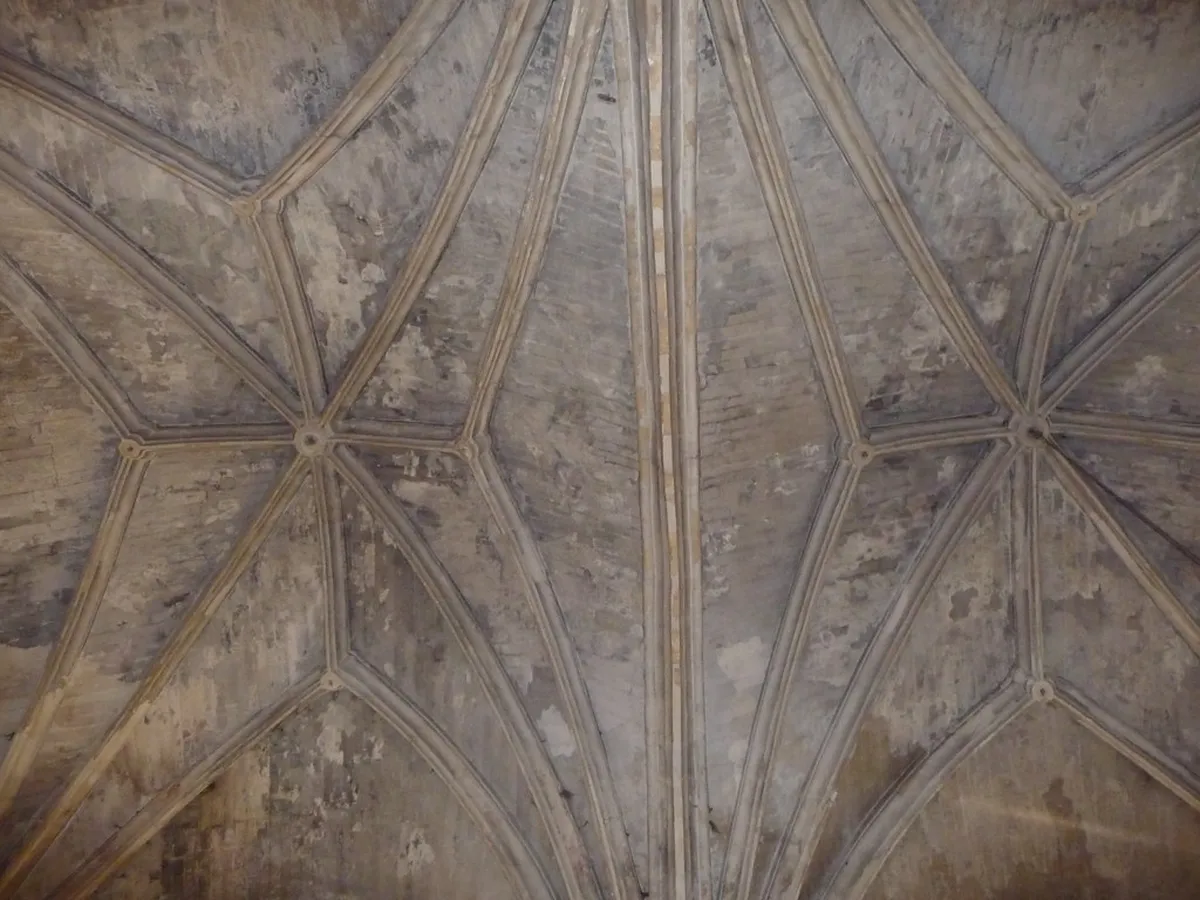
The cloister was built in two different stages over time. One side shows the Romanesque style with its round arches. The other side features the pointed arches of the Gothic era. This mix allows you to see how styles changed.
Tickets to the cloister cost about 6 Euros for adults. It is open from 9:00 AM until 6:00 PM daily. You can find the entrance near the Place de la République. It is a must-see for any architecture lover in 2025.
Building Materials and Local Stone Masonry
Local limestone is the primary material used in Arles. This stone is durable and easy to carve into shapes. It comes from quarries located just outside the city walls. The stone turns a beautiful creamy color as it ages.
Masonry in Arles is known for being very tight and neat. The joints between the stones are often very thin. This shows that the workers were very proud of their craft. It also helps the buildings stay strong against the wind.
The heavy weight of the stone required very strong foundations. Many buildings sit on top of older Roman structures for stability. This layering of history is common throughout the entire city center. It adds to the mystery and charm of the town.
You will notice the stone feels warm to the touch. It absorbs the heat of the sun during the day. This keeps the streets feeling pleasant even when the sun goes down. Most historic buildings in Arles still use this original stone.
Frequently Asked Questions
What are the main Provençal Romanesque style characteristics?
The main features include thick limestone walls and round arches. Builders also used decorative portals with detailed stone carvings. Small windows were used to keep the interiors cool and quiet. These buildings focus on balance and strong geometric shapes.
Where is the best Romanesque architecture in Arles?
The Cathedral of St. Trophime is the best example in town. You can find it right in the central city square. The cloister and the main portal are both world-famous sites. Many other small chapels also show this beautiful style.
When can I visit the Romanesque sites in Arles?
Most sites are open daily from 9:00 AM to 6:00 PM. The cathedral is free to enter for all visitors. The cloister requires a small fee of around 6 Euros. Always check local holiday schedules before you plan your 2025 trip.
Arles offers a unique look at the history of European design. The Provençal Romanesque style characteristics make the city a true treasure. You can see the skill of ancient masons in every building. Plan your visit to see the Romanesque architecture in Arles today.
Key Takeaways
- Look for thick walls and round arches in the old town.
- Visit St. Trophime to see the famous carved stone portals.
- Notice how Roman ruins influenced the medieval building styles.
Related reads: architecturebycity.com.