
Besançon Architecture Walking Tours: 2025 Guide
Book the best Besançon architecture walking tours in 2025. Discover Roman ruins, Vauban forts, and Renaissance gems with expert guides. Reserve your spot today!
On this page
Booking your Besançon architecture walking tours allows you to explore this historic city with a knowledgeable professional guide. The city of Besançon is located within a dramatic loop of the scenic and beautiful Doubs River valley. You will discover a rich tapestry of stone that reflects centuries of diverse European building styles and traditions. This guide provides all the necessary details to plan your architectural adventure through this French cultural treasure today.
Visitors in 2025 can enjoy a unique journey through time while walking along the charming paved city streets. The local stone known as Chailluz marble gives the buildings a distinctive blue and ochre hue under the sun. Expert guides will share fascinating stories about the master builders who shaped the unique identity of this French region. You can learn about the intricate details of architecture in Besançon during your immersive and educational morning walk.
Modern travelers often seek authentic experiences that connect them with the living history of a specific European destination. These guided tours offer an intimate look at the private courtyards and grand facades of the old city center. You will see how the urban landscape evolved from a Roman military outpost into a sophisticated watchmaking capital. Join a group today to witness the incredible preservation of these historic structures in the heart of France.
Explore the Ancient Roman Heritage Sites
Besançon boasts a rich Roman history that serves as the solid foundation for its modern urban street layout today. Your walking tour will likely begin at the magnificent Porte Noire, which is a towering second-century triumphal arch. This monument features intricate carvings that depict mythological scenes and the power of the ancient Roman Empire's military forces. It stands as a silent witness to the city's origins as Vesontio under the rule of Marcus Aurelius.
The nearby Square Castan offers a peaceful park setting where you can view the remains of an ancient theater. Eight Corinthian columns still stand among the green trees, providing a glimpse into the grand scale of Roman entertainment. Your guide will explain how these ruins were discovered during archaeological excavations in the late nineteenth and twentieth centuries. It is an essential stop for anyone who appreciates the enduring legacy of classical Roman engineering and design.
Archaeological enthusiasts will find many hidden details scattered throughout the modern city center during their guided walking tour. Many contemporary buildings incorporate ancient stones that were repurposed from Roman structures during the early Middle Ages in Europe. You can see how the circular layout of the Roman city influenced the placement of future streets and markets. These tours highlight the fascinating layers of history that exist beneath the feet of every modern traveler today.
Key Roman sites include:
- The Porte Noire triumphal arch
- Square Castan archaeological park
- The remains of the Roman aqueduct
- Ancient thermal bath foundations
Most Roman heritage walks take approximately ninety minutes to complete and require comfortable shoes for the uneven cobblestone paths. These tours typically cost between fifteen and twenty-five Euros per person depending on the size of your group. You should book your tickets in advance during the busy summer months to ensure your place on the tour. The morning light provides the best opportunities for photographing the ancient stone textures of these impressive Roman monuments.
Marvel at Vauban's Defensive Fortifications
The military genius of Sebastien Le Prestre de Vauban redefined the defensive architecture of this strategically important French border city. His massive fortifications are now recognized as a prestigious UNESCO World Heritage site and a masterpiece of seventeenth-century engineering. You will walk along the high walls that were designed to withstand the most powerful artillery attacks of the era. These Vauban fortifications in Besançon represent the pinnacle of classical military design and urban planning.
The Citadelle is the crowning achievement of the local defense system and offers spectacular views of the entire region. It covers eleven hectares and sits high above the river, providing a natural vantage point over the city loop below. Your architectural guide will explain the complex geometry of the bastions and the ingenious use of the natural terrain. Visitors can explore the deep wells and vaulted barracks that once housed thousands of soldiers during the long sieges.
Walking along the city ramparts allows you to appreciate the sheer scale of the labor required for these constructions. The walls stretch for kilometers around the old town, creating a distinct boundary between the historic core and suburbs. You will see how Vauban integrated the river into the defensive strategy to create an almost impregnable fortress town. This section of the tour is perfect for those who enjoy military history and grand-scale structural engineering projects.
UNESCO site highlights:
- The high ramparts of the Citadelle
- The Griffon Tower defense post
- The fortified bridge of the city
- The bastioned walls of Battant
The Citadelle is open daily from nine in the morning until six in the evening during the peak season. Entry fees for the entire site usually range from twelve to fifteen Euros for adults in the year 2025. Guided tours of the fortifications provide access to restricted areas that are not typically open to the general public. It is a strenuous walk with many steps, so be prepared for a physical challenge during your visit.
Renaissance Palaces and Grand Urban Mansions
Besançon experienced a period of great prosperity during the Renaissance, which led to the construction of many elegant private palaces. The Palais Granvelle is perhaps the most famous example of this sophisticated style with its beautiful arched interior courtyard. You can admire the classic proportions and the fusion of Flemish and Italian architectural influences in this grand residence. Walking through these spaces feels like stepping back into the sixteenth century when powerful families ruled the local landscape.
Many of the most beautiful Renaissance palaces of Besançon are hidden behind large wooden doors that open into quiet private courtyards. Your walking tour guide will often have access to these secluded spaces that the average tourist might easily miss. You will discover stone staircases with intricate carvings and elegant balconies that overlook the hidden gardens of the elite. These buildings showcase the wealth and artistic taste of the magistrates who lived here during the Spanish occupation.
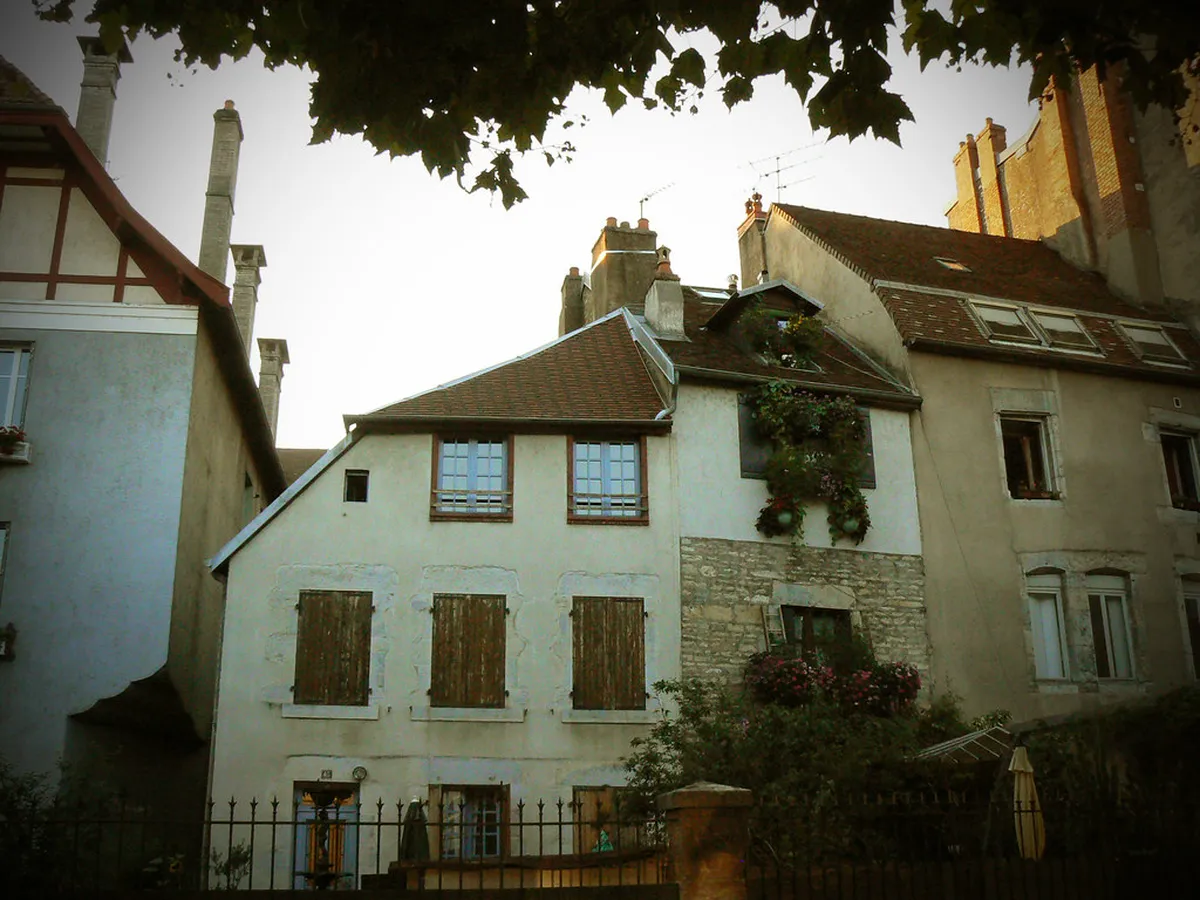
The Rue des Granges is lined with magnificent townhouses that date back to the seventeenth and eighteenth centuries in France. These structures feature the famous bi-color stone masonry that is so characteristic of the architectural identity of the city. You should look up to see the ornate ironwork on the balconies and the decorative pediments above the windows. Each building tells a story of a specific family and their contribution to the growth of the local community.
Notable Renaissance features:
- Internal courtyards with arcades
- Ornate stone carved staircases
- Lead-framed windows and shutters
- Family crests above main entrances
Tours focusing on the private mansions of the city are highly recommended for fans of art history and interior design. These walks typically last two hours and focus on the central historic district known as the Boucle area today. Prices for specialized Renaissance tours usually start at eighteen Euros per adult for a small group experience in 2025. It is a wonderful way to see the artistic side of the city away from the military forts.
Modern Innovations and Contemporary Design Trends
Besançon is not just a museum of the past but also a hub for modern architectural innovation and creative design. The Cité des Arts Besançon contemporary design complex is a striking example of how modern buildings can coexist with history. Designed by the famous Japanese architect Kengo Kuma, this building features a pixelated roof that mimics the surrounding hills. It houses the regional museum of contemporary art and the local conservatory of music within its modern glass walls.
Your walking tour will contrast these new glass structures with the heavy stone of the traditional old city center buildings. You can see how architects use sustainable materials and light to create spaces that feel open and very welcoming. The city has invested heavily in modern urban planning to make the streets more pedestrian-friendly for residents and visitors. This blend of old and new creates a dynamic atmosphere that keeps the architectural conversation relevant in the present.
Contemporary tours often include visits to the renovated industrial districts where old watchmaking factories have become modern creative lofts. These spaces retain their historic industrial character while providing high-tech facilities for the startups and artists of the city. You will learn about the transformation of the Viotte station area and its impact on the local urban landscape. This is a great way to understand the future direction of the city as it evolves in 2025.
Contemporary landmarks to visit:
- Cité des Arts and Culture
- The renovated Viotte railway station
- Modern student housing in Battant
- New sustainable eco-neighborhood projects
The Cité des Arts is easily accessible by the city's modern tram system and is located near the river bank. Guided tours of the modern architecture sector are gaining popularity among younger travelers and professional students of urban design. Most contemporary walks are scheduled for the afternoon when the sunlight hits the glass facades of the new buildings. You can expect to pay around twenty Euros for a tour that covers the modern districts of the city.
Essential Tips for Your Guided Walking Tour
Planning your visit in advance will help you get the most out of your Besançon architecture walking tours experience. Most tours depart from the Tourist Office located near the bridge or the historic Place de la Revolution square. You should check the schedule online because the frequency of tours changes depending on the specific season of the year. Booking a private guide offers the flexibility to focus on the specific architectural periods that interest you the most.
Wearing comfortable walking shoes is the most important piece of advice for exploring the steep and cobblestoned city streets. You should also bring a bottle of water and a camera to capture the stunning details of the buildings. Many tours continue regardless of the weather, so an umbrella or raincoat is often necessary for a pleasant walk. If you prefer to explore at your own pace, consider using a Besançon self-guided architecture map today.
Language is rarely a barrier as many professional guides in the city offer tours in English, German, and Spanish. It is best to request a specific language during the booking process to ensure the best possible tour experience. Small group tours provide a better opportunity to ask questions and engage with the local expert during the walk. You will find that the guides are very passionate about their city and happy to share local secrets.
Quick tour checklist:
- Confirm the meeting point location
- Check the local weather forecast
- Carry some local currency for tips
- Fully charge your camera battery
Most walking tours last between ninety minutes and three hours depending on the depth of the historical information provided. The average cost for a high-quality guided experience is roughly twenty-two Euros per person in the year 2025. Students and seniors often qualify for discounted rates if they present a valid identification card at the ticket office. Always arrive ten minutes early to ensure the tour can start on time for the entire group.
Frequently Asked Questions
How much do architecture tours in Besançon cost?
Guided architecture tours in the city typically cost between fifteen and twenty-five Euros per adult in 2025. Many companies offer special discounts for children, students, and large groups who book their tickets in advance. Private tours are more expensive but provide a personalized experience with a professional expert for your small group.
Where do most walking tours in the city begin?
The majority of walking tours start at the main Tourist Information Office located near the Doubs River bridge. Some specialized tours might meet at the Porte Noire or the Place de la Revolution in the center. Always check your booking confirmation for the exact meeting point and time before you depart your hotel.
Are these walking tours suitable for families with children?
Most walking tours are family-friendly, but the historical content might be more engaging for older children and teenagers. The walks involve several kilometers of walking on uneven ground, so bring a stroller for very young children. Some guides offer shorter and more interactive tours specifically designed to keep younger visitors interested and entertained.
Is it possible to find English-speaking guides in Besançon?
Yes, many professional tour guides in the city offer high-quality tours in English for international visitors throughout the year. It is highly recommended to book these specific tours in advance to ensure an English-speaking guide is available. Most major historical sites also provide printed brochures and audio guides in multiple languages for independent travelers.
Besançon offers an unparalleled architectural journey through the different stages of European history for every curious traveler today. From the ancient Roman ruins to the modern glass designs, the city remains a true feast for the eyes. Booking one of the many available Besançon architecture walking tours is the best way to discover these hidden gems. Plan your visit to this beautiful French city in 2025 and experience the magic of its stones. You can find more information and book your tickets on the official tourism website or via a local guide.
Key Takeaways
- Discover a unique blend of Roman, Renaissance, and Vauban military architecture in one city.
- The 2025 tour season offers expanded access to private mansions and UNESCO World Heritage sites.
- Plan for a two-hour walk and wear comfortable shoes to navigate the historic cobblestone streets.
Related reads: architecturebycity.com, besancon roman ruins and monuments, besancon religious architecture and cathedrals.