
Owl's Trail Architecture Highlights: 2025 Dijon Guide
Explore Owl's Trail architecture highlights in 2025. Discover Dijon's history with this expert guide. Start your walking tour today!
On this page
Dijon remains a hidden gem for travelers who love European history and stunning urban design. This 2025 guide explores the best Owl's Trail architecture highlights for your next visit. You will find a mix of Gothic, Renaissance, and Neoclassical styles along this famous route. Follow the bronze owl markers to see the most iconic structures in the historic center.
The city served as the capital for the powerful Dukes of Burgundy during the Middle Ages. Their influence created a landscape of grand palaces and intricate stone carvings that still stand today. Walking through the streets feels like traveling back in time through several distinct architectural eras. This self-guided path offers the most efficient way to see these diverse cultural treasures.
Discovering Owl's Trail Architecture Highlights at the Palace
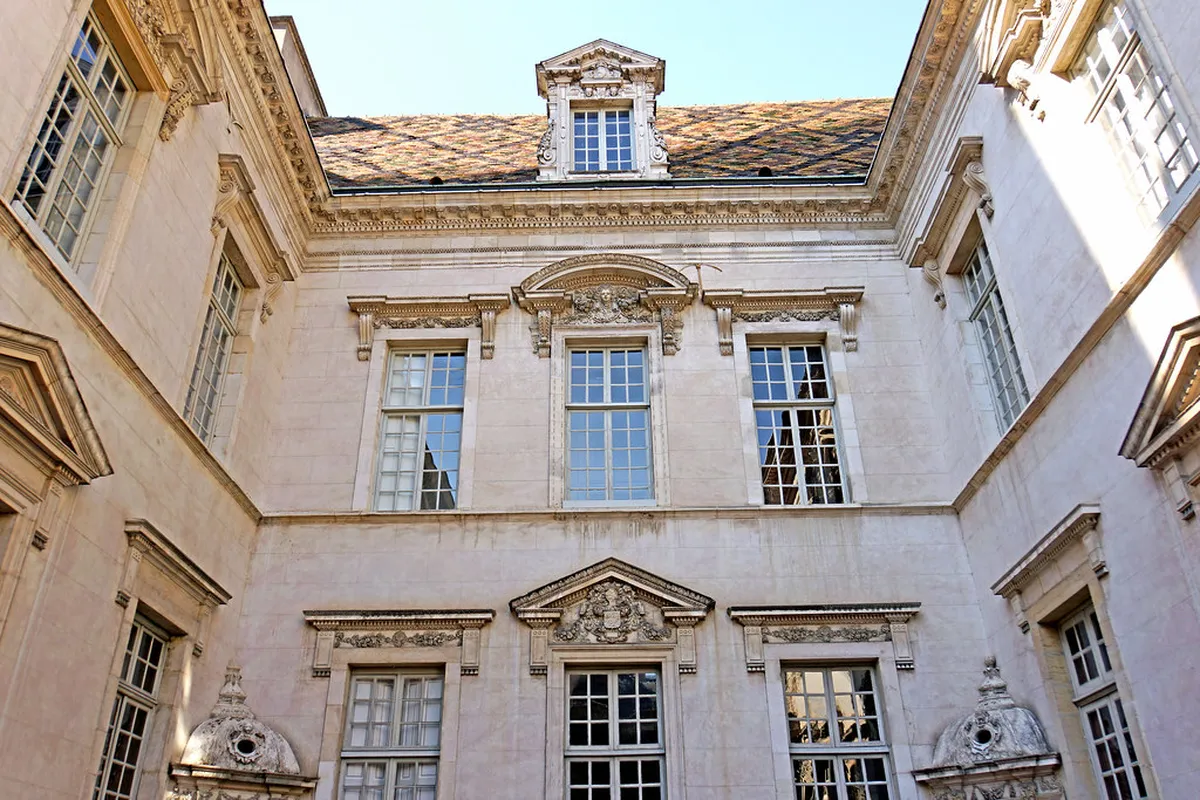
The Palace of the Dukes of Burgundy stands as a symbol of power in the city. This massive complex shows the evolution of French architectural styles over several centuries of construction. You can see the blend of medieval defensive walls and grand 17th-century classical facades here. It serves as one of the most prominent Owl's Trail architecture highlights for modern travelers today.
The Palace of the Dukes of Burgundy architecture represents the peak of local political and artistic influence. Most of the eastern wing dates back to the late medieval period of the 14th century. The central portion features the elegant Cour d'Honneur, which reflects the grandeur of the Bourbon dynasty. Visiting the palace grounds is essential for understanding the transition from Gothic to Classical design.
Inside the palace, the Museum of Fine Arts houses some of the most impressive tombs in Europe. These monuments feature detailed carvings that demonstrate the high skill of 15th-century Burgundian sculptors. The grand staircase and the high vaulted ceilings provide a sense of the immense wealth of the dukes. Entrance to the main courtyard is free, making it a perfect starting point for your morning walk.
Standing in the Place de la Libération, you can admire the symmetrical arcades that face the palace. This semi-circular square was designed in the 1680s to honor the glory of King Louis XIV. The fountain displays and the white limestone buildings create a bright and welcoming atmosphere for all visitors. It is an ideal spot to sit and observe the rhythm of life in modern Dijon.
Gothic Grandeur of the Church of Notre-Dame
The Church of Notre-Dame is widely considered a masterpiece of 13th-century Burgundian Gothic architecture. Its unique facade features three rows of decorative gargoyles that create a striking visual pattern for viewers. Unlike many other Gothic churches, this building uses a flat front rather than a traditional twin-tower design. The rows of sculptures represent different human emotions and mythical creatures from the medieval imagination.
The famous stone owl is carved into the north corner of the church on a side street. Locals believe that touching this small figure with your left hand will bring you good luck. Over the centuries, millions of visitors have smoothed the stone until the owl has lost its original detail. Please ensure you follow the trail markers carefully to find this tiny but significant cultural landmark.
The interior of the church features slender columns and beautiful stained glass windows from the 13th century. These windows survived the French Revolution and provide a rare glimpse into medieval glassmaking techniques and colors. The high vaulted ceilings create a sense of verticality that was meant to inspire religious awe in worshipers. Natural light filters through the glass to create shifting patterns of color on the ancient stone floors.
On the right side of the church, you will see the famous Jacquemart clock tower. This mechanical clock features a family of figures that strike the bells every hour of the day. The original mechanism was brought from Belgium as a war trophy by Philip the Bold in 1382. It remains one of the oldest working automated clocks in the entire country of France today.
Renaissance Beauty Along the Historic Rue des Forges
Rue des Forges is perhaps the most elegant street you will encounter while following the bronze owl markers. This narrow passage contains some of the most preserved private mansions from the 15th and 16th centuries. The facades feature delicate stone carvings, ornate doorways, and beautiful wrought iron balconies that show immense detail. This street was once the home to the most wealthy and influential families in the city.
The Hôtel Chambellan is a standout example of flamboyant Gothic and early Renaissance styles combined into one building. You should enter the small courtyard to see the incredible spiral staircase and the decorative wood carvings. The craftsmanship displayed on the stone pillars shows the transition into more decorative and light architectural forms. Taking a Dijon architectural walking tour allows you to explore these hidden courtyards easily.
Many buildings on this street feature the iconic glazed tile roofs that are famous throughout the Burgundy region. These multicolored tiles are arranged in geometric patterns of yellow, green, red, and black to create vibrant roofs. They were originally a sign of high status and wealth for the owners of these grand city houses. You can find excellent photography spots for these roofs by looking up from the narrow street corners.
The ground floors of these historic mansions now house charming boutiques and traditional mustard shops for local visitors. You can enjoy the contrast between the historic stone walls and the modern window displays of high-end brands. Walking along the Rue des Forges provides a sensory experience of textures, colors, and historical layers of time. It is a must-visit section for anyone interested in the social history of French urban life.
Exploring Traditional Medieval Timber-Framed Houses
Dijon boasts a significant collection of medieval timber-framed houses that have survived through many centuries of urban change. These structures feature heavy wooden beams and plaster walls that create a distinct and charming visual aesthetic. You can find many of these buildings near the Place François Rude, which is a popular local square. The upper floors often overhang the street to maximize living space within the crowded medieval city walls.
The Maison des Cariatides is one of the most famous examples of this style within the old town. Its facade is decorated with large carved figures that seem to support the weight of the upper floors. These wooden carvings show the high level of artistry that local builders achieved during the late Middle Ages. Exploring these medieval timber-framed houses in Dijon reveals the everyday lives of merchants and artisans.
- Look for the Maison Millière which dates back to the year 1483.
- Admire the detailed woodwork on the Rue de la Chouette buildings.
- Visit the Place François Rude to see the Bareuzai fountain and houses.
- Notice the varying colors of the timber used in different centuries.
The preservation of these wooden structures is a testament to the city's commitment to its historical heritage. Many of these houses now function as restaurants or cafes where you can sit and enjoy lunch. Sitting outside allows you to appreciate the architectural details while tasting local Burgundian wines and traditional dishes. The atmosphere in these older districts remains cozy and intimate despite the passage of many centuries.
Modern Marvels and the Les Halles Covered Market
The Les Halles market building represents the industrial and 19th-century evolution of the city's diverse architectural landscape. This structure was designed using iron and glass, which were revolutionary materials during the era of Gustave Eiffel. The large open spaces inside the market allow for excellent ventilation and natural light for the vendors. It remains the heart of the city's food culture and a masterpiece of functional metal design.
You can see the influence of modern engineering in the slender iron pillars and the wide roof spans. The market covers a large rectangular area where local farmers sell their fresh produce and gourmet food products. Walking through the aisles provides a different architectural perspective compared to the heavy stone of the ducal palace. The structure is both beautiful and practical, serving thousands of residents every single week of the year.
The surrounding streets feature Neoclassical buildings from the late 19th century that show a more restrained design style. These structures often house banks, administrative offices, and large apartments with high windows and decorative iron balconies. You will notice the shift from the narrow medieval lanes to wider boulevards designed for carriages and traffic. This transition shows how Dijon adapted to the needs of a growing and modernizing French provincial capital.
Finish your tour by visiting the Darcy Park, which features the first public garden created in the city. The park contains a large stone polar bear sculpture, which is a tribute to the local artist Pompon. You can see the 19th-century reservoir building, which was part of the city's early water management system here. This area provides a peaceful conclusion to your journey through the varied architectural history of this region.
Frequently Asked Questions About Owl's Trail Architecture
The Owl's Trail is a great way to see the city. Here are some common questions travelers ask about the route.
Frequently Asked Questions
How long does it take to complete the Owl's Trail in Dijon?
The basic trail takes about one to two hours to complete at a steady walking pace. You should allow more time if you plan to enter museums or stop for lunch. Most visitors spend a full afternoon exploring the many side streets and hidden courtyards along the path.
Are the owl markers easy to find on the city streets?
Yes, the bronze owl markers are embedded directly into the stone pavement of the historic city center. You simply follow the direction the owl is facing to find the next major architectural site. You can also purchase a detailed map from the tourist office for extra guidance during your walk.
Is the walking tour accessible for people with limited mobility?
Most of the trail follows flat pedestrian streets in the historic center which are accessible for everyone. Some older sections have cobblestones which may be a bit bumpy for wheelchairs or strollers. You can easily modify your route to stick to the smoother main paths while still seeing the highlights.
Following the Owl's Trail architecture highlights is the best way to experience the soul of Dijon in 2025. From the grand ducal palace to the humble timber-framed houses, every building tells a unique historical story. We hope this guide helps you plan an unforgettable journey through the streets of this French treasure. Start your adventure today and discover why Burgundy remains a top destination for architecture lovers worldwide.
Key Takeaways
- Follow the bronze owl markers to see 22 major architectural sites.
- Visit the Church of Notre-Dame to touch the lucky stone owl sculpture.
- Explore the Rue des Forges for the best Renaissance mansion facades.
- Check out the Les Halles market for 19th-century iron and glass design.
Related reads: architecturebycity.com, architecture in dijon, self guided tour of rue des forges.