
Charles Dalmas Buildings in Nice: A Complete Guide
Discover the elegant Charles Dalmas buildings in Nice. Learn about his Belle Époque style and find the best architectural spots to visit in 2025 today.
On this page
Charles Dalmas was a defining figure for the architecture of the French Riviera during the early twentieth century. He created many of the most famous structures found along the Mediterranean coast today. These Charles Dalmas buildings in Nice represent the peak of luxury and classical elegance for travelers. His vision helped turn a simple seaside town into a world-class winter destination for the global elite.
Visitors in 2025 can still explore the grand hotels and private residences he designed throughout the city. Most of his work features the intricate details of the Belle Époque movement and early modernism. Dalmas is widely considered one of the most influential famous architects of Nice because of his prolific output. Understanding his portfolio offers a deeper appreciation for the unique urban landscape of southern France.
The Architectural Legacy of Charles Dalmas
Charles Dalmas began his career at a time when Nice was expanding rapidly as a tourist hub. He was born in 1863 and studied at the École des Beaux-Arts in the city of Paris. This education gave him a strong foundation in classical symmetry and decorative stone ornamentation styles. His work perfectly matched the desires of wealthy visitors who flocked to the sun-drenched coast.
Many of his early projects focused on high-end residential blocks and luxury holiday apartments for the rich. He used grand entrances and wide balconies to attract the attention of the growing upper class. These buildings helped establish the standard for Belle Époque architecture in Nice during the late nineteenth century. You can find these structures by looking for heavy stonework and elaborate iron railings.
Dalmas was not just a designer of buildings but a creator of city atmospheres and urban vibes. He understood how light interacted with white stone and pastel colors in the bright Mediterranean sun. His designs often included large windows to maximize the natural light found on the coast of France. This thoughtful approach made his buildings very popular for those seeking a bright and airy lifestyle.
By the start of the twentieth century, Dalmas was the most sought-after architect in the entire region. He won numerous awards and commissions from the local government and private hotel investors alike. His influence spread beyond Nice to neighboring cities like Cannes and Menton during his long career. Today, his legacy is protected by strict local heritage laws to ensure these landmarks remain standing.
Famous Charles Dalmas Buildings in Nice Locations
One of the most recognizable examples of his work is the stunning Hotel Royal on the Promenade. This building features a neoclassical facade that dominates the view from the nearby rocky beach area. It was constructed in 1905 to serve as a luxury retreat for the British and Russian royalty. The building still operates as a hotel today and offers a glimpse into a bygone era.
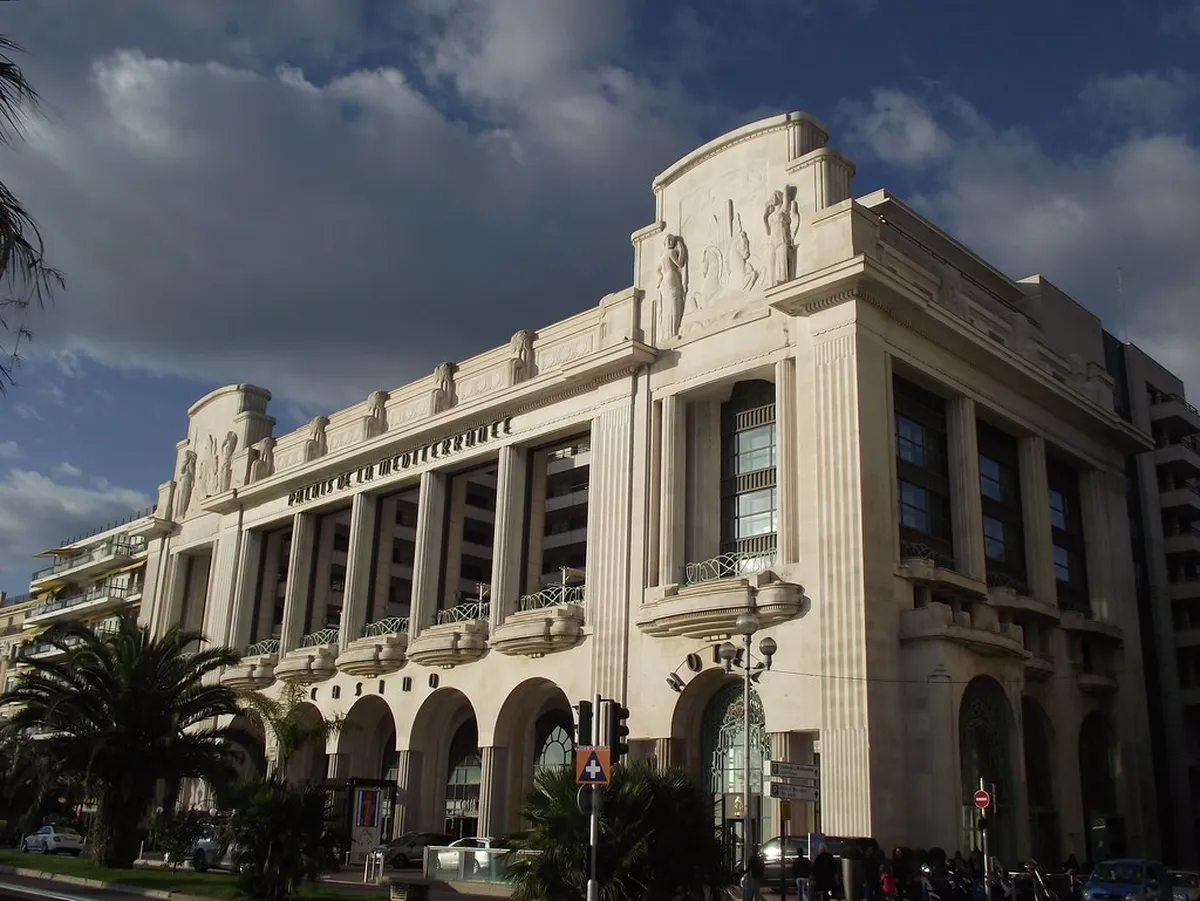
The Palais de la Méditerranée is another masterpiece that shows his ability to adapt to changing artistic trends. Originally designed in the late 1920s, it blends classical proportions with the emerging Art Deco style of the day. The massive white arches on the front facade are iconic symbols of the city of Nice today. Travelers can visit the casino or stay in the luxury hotel rooms located within the structure.
Dalmas also designed the Grand Hotel which was a massive undertaking for the city at the time. This structure displayed his talent for creating large-scale buildings that did not feel overly heavy or dark. It featured elegant gardens and wide terraces that allowed guests to enjoy the fresh sea air and sun. Many historians point to this building as a primary example of high-end resort design from that period.
For those interested in residential architecture, the Palais Donadeï is a must-see location during your visit in 2025. This building showcases his use of vertical lines and decorative carvings to create a sense of height. It is located near the city center and remains one of the most prestigious addresses in Nice. The craftsmanship on the main doorway is particularly impressive for photography enthusiasts and history buffs.
The Grand Hotels on the Promenade des Anglais
The Promenade des Anglais architecture would not be the same without the contributions of Charles Dalmas. He designed several hotels that lined this world-famous walkway and welcomed the most famous people on earth. These buildings were meant to be seen from the sea and the shore with equal visual impact. They served as beacons of wealth and comfort for the millions of people who visited Nice.
Dalmas focused on creating a sense of arrival with grand driveways and impressive lobby spaces for his guests. He often used marble floors and crystal chandeliers to emphasize the luxury of the interior hotel spaces. Many of these hotels have been renovated recently to meet modern standards while keeping their historical charm. You can still feel the history of the French Riviera when you walk through these halls.
The Hotel Ruhl was perhaps his most famous creation, though it was sadly demolished in the early 1970s. It was once the center of social life in Nice and hosted legendary parties for the global elite. Modern buildings now stand on the site, but the influence of the Ruhl remains in local memories. It set the bar for every luxury hotel that followed it on the Mediterranean coast.
- Hotel Royal: A classic example of the Belle Époque style with grand sea views.
- Palais de la Méditerranée: A hybrid of classical and Art Deco styles with iconic arches.
- Hotel Carlton: Known for its refined elegance and historical significance near the center.
- Hotel Savoy: Another Dalmas creation that showcased his ability to handle massive structural projects.
Residential Mastery in the Cimiez Neighborhood
The hills of Cimiez offered a different canvas for the creative mind of Charles Dalmas during his career. This neighborhood was the preferred location for winter residents who wanted to escape the humidity of the sea. Dalmas designed several sprawling mansions and grand apartment blocks in this elevated part of the sunny city. These buildings often featured large gardens and panoramic views of the water and the mountains.
The Winter Palace is one of the most impressive residential structures ever built in the district of Cimiez. It was designed to house multiple families in an environment that felt like a private palace or estate. The building features long corridors and high ceilings that stay cool during the hot summer months in France. It remains a private residence today, so visitors should respect the privacy of the current local occupants.
Another notable project in this area is the Grand Palais, which displays a more sober architectural style. Dalmas used local stone and traditional roofing techniques to ensure the building fit into the natural hillside environment. The result was a structure that looked timeless even when it was first completed over a century ago. It is a popular spot for architectural walking tours because of its unique decorative elements.
Living in a Dalmas building was a sign of immense social status during the early twentieth century period. Even today, these apartments are highly valued by locals who appreciate the history and quality of the construction. The walls are thick and the materials used were the best available at the time of building. Many residents take great pride in maintaining the original features of their historic and beautiful homes.
How to Visit Dalmas Landmarks in 2025
Planning an architectural tour of Nice is easy if you focus on the works of Charles Dalmas first. Start your journey at the Palais de la Méditerranée on the Promenade des Anglais during the morning light. The sun hits the white facade and creates beautiful shadows that are perfect for your travel photographs. Most of these buildings are within walking distance of each other in the city center area.
While many of these buildings are private, you can still enter the hotels and the casino for free. A coffee at the Hotel Royal allows you to sit in a space designed by Dalmas himself. The prices for a drink usually range from eight to fifteen euros in these luxury hotel bars. It is a small price to pay for experiencing the atmosphere of the grand Belle Époque.
If you wish to see the residential works, consider taking the local bus up to the Cimiez district. The number five bus stops near several of his most famous apartment blocks and grand historic villas. Walking through these quiet streets offers a different perspective on the city away from the busy tourist crowds. Wear comfortable shoes as the hills can be quite steep for those who are not used to walking.
Local heritage organizations often offer guided tours that include the history of Charles Dalmas and his many designs. These tours typically cost around twenty euros per person and last for approximately two hours of walking time. Booking in advance is recommended during the peak summer months when tourism is at its highest in Nice. You will learn fascinating stories about the builders and the residents of these incredible historic landmarks.
Frequently Asked Questions
What is the most famous building by Charles Dalmas in Nice?
The Palais de la Méditerranée is likely the most famous structure designed by Charles Dalmas in the city. It is known for its massive Art Deco facade and its prime location on the Promenade des Anglais. The building has been a symbol of luxury and entertainment in Nice since it opened in 1929.
Are the Charles Dalmas buildings in Nice open to the public?
Many of his buildings are now hotels or casinos that the public can enter for a small fee. You can visit the lobbies and bars of the Hotel Royal or the Palais de la Méditerranée easily. However, his private residential apartment blocks are generally closed to tourists to protect the privacy of residents.
When was the best time for Charles Dalmas's architectural work?
Dalmas was most active between 1890 and 1930 during the height of the Belle Époque and Art Deco eras. This period saw a massive boom in luxury construction across the French Riviera and the Mediterranean coast. His designs from this time remain the most celebrated examples of his architectural portfolio today.
Can I take a guided tour of architecture in Nice?
Yes, many local companies offer specialized tours that focus on the architectural history of the city and its builders. These tours often highlight the work of Dalmas alongside other famous figures like Biasini or Febvre. It is a great way to see hidden details that you might miss on your own.
The architectural legacy of Charles Dalmas remains a cornerstone of the identity of Nice in 2025. From the grand hotels on the beach to the quiet villas in the hills, his influence is everywhere. Exploring these Charles Dalmas buildings in Nice provides a window into the golden age of travel and design. Plan your visit today to witness the elegance of the French Riviera for yourself soon. For more information on the history of the city, visit our guide on the famous architects of Nice.
Key Takeaways
- Dalmas was a master of the Belle Époque style and early Art Deco transitions.
- The Palais de la Méditerranée and Hotel Royal are his most accessible masterpieces.
- The Cimiez neighborhood holds many of his grandest residential apartment projects.
- Public access is available through the many luxury hotels he designed on the coast.
- Most Dalmas buildings are located within walking distance of the Promenade des Anglais.
Related reads: architecturebycity.com, architecture in nice, sebastian marcel biasini works.