
Famous Architects of Nice: Creators of the Riviera
Discover the famous architects of Nice and their legacy. Learn about the masterminds behind the city's iconic landmarks and Belle Époque gems in 2025.
On this page
Nice is a city that showcases the creative work of many truly brilliant minds. The famous architects of Nice transformed a small town into a grand world-class destination. Visitors today can admire the diverse styles that define the visual history of the region. These designers blended local materials with international trends to create a unique Mediterranean aesthetic today. Exploring the streets of Nice reveals a fascinating story of wealth, art, and urban planning.
The architectural landscape of the city evolved significantly during the late nineteenth and early twentieth centuries. Wealthy travelers from across Europe commissioned grand villas and hotels that still stand very proud today. This period of growth attracted the most talented builders and designers from all over the world. Many of these historical structures are preserved perfectly for travelers to enjoy throughout the year 2025. You can learn more about these styles in our guide to architecture in Nice right now.
Charles Dalmas and the Art Deco Movement
Charles Dalmas remains one of the most famous architects of Nice in recent history. He designed iconic hotels that define the glamour of the French Riviera in the year 2025. His work on the Palais de la Méditerranée is a true artistic masterpiece of grand design. This building features a grand facade that looks out over the vast Mediterranean Sea today. Many visitors come here to photograph the stunning white arches and the detailed stone carvings.
Dalmas was a master of the Art Deco style during the peak of its popularity. He focused on geometric shapes and elegant lines to create a sense of modern luxury. His designs often incorporated expensive materials like marble and brass to impress his wealthy clients. You can find many examples of Charles Dalmas buildings in Nice while walking through the city center. These structures provide a glimpse into the high society life of the early twentieth century.
The architect was also responsible for several other prestigious projects located throughout the French Riviera. He worked on the Carlton Hotel in Cannes which is famous around the entire world today. In Nice, his influence is visible in many apartment blocks and public buildings near the coast. His ability to combine functionality with extreme elegance made him a favorite among the local elite. Each project he completed added a new layer of sophistication to the growing urban landscape.
One of his most impressive feats was the restoration of older structures into modern palaces. He understood how to preserve the historical charm while adding all the latest modern comforts. This approach allowed the city to modernize without losing its unique cultural and historical identity. Today, these buildings serve as luxury hotels and high-end residences for people from many countries. They stand as a testament to his vision and his skill as a professional architect.
Dalmas also played a significant role in urban planning for the expanding city of Nice. He helped design the layout of streets to maximize the views of the beautiful sea. His work ensured that the city felt open and airy even as it became more crowded. Walking along the Promenade des Anglais allows you to see his massive contribution to the skyline. His legacy continues to inspire new generations of designers who study his work in 2025.
Sébastien-Marcel Biasini and Belle Époque Luxury
Sébastien-Marcel Biasini was a leading figure during the very popular Belle Époque era. He is best known for creating the majestic Excelsior Regina Palace in hilly Cimiez today. This structure was built specifically to house Queen Victoria during her many long winter stays. It stands as a testament to the luxury of late nineteenth-century architecture in southern France. The building features an ornate facade with many intricate balconies and decorative metal work elements.
Biasini favored an eclectic style that combined elements from many different historical periods and cultures. He used classical columns alongside whimsical details to create a sense of wonder and prestige. This style became synonymous with the growth of Nice as a premier winter resort destination. You can explore his work further in our Cimiez neighborhood architecture guide for your next trip. His buildings often feel like palaces rather than simple residential or hotel structures.
The architect had a deep understanding of the needs of the international aristocracy during that time. He included grand ballrooms and wide staircases in almost all of his major building projects. These spaces were designed for social gatherings and showing off the wealth of the guests. Biasini also made sure that every room had access to plenty of natural Mediterranean sunlight. His designs prioritized the comfort and the happiness of the people who lived inside them.
Beyond the Regina Palace, Biasini designed many villas for the wealthy families of the city. These homes often feature lush gardens and beautiful stone terraces that overlook the blue sea. He used local limestone and traditional roof tiles to blend the buildings with the landscape. This careful attention to detail is why his work remains so popular after many decades. Many of these villas have been converted into museums or galleries for the public.
Biasini also worked on several public monuments that celebrate the history of the city of Nice. He believed that architecture should serve the community and provide a sense of local pride. His influence helped establish Nice as a center of artistic and cultural excellence in Europe. Even today, architects look to his work for examples of how to achieve grand scale. His contribution to the city's visual identity is truly impossible to overstate in 2025.
Jules Febvre and the Grand Palaces
Jules Febvre was another essential figure who helped shape the residential areas of modern Nice. He specialized in designing large apartment buildings that resembled the grand palaces of the past. One of his most famous projects is the Winter Palace located in the Cimiez district. This building is known for its massive scale and its beautiful yellow and white facade. It represents the transition from traditional styles to more modern ways of urban living.
Febvre focused on creating buildings that were both beautiful to look at and practical. He included modern features like elevators and central heating long before they were common items. His work helped set the standard for high-quality residential architecture across the entire French Riviera. You can see many examples of Belle Époque architecture in Nice attributed to his talented hand. Each building he designed has its own unique character and special decorative details.
The architect often collaborated with talented sculptors and painters to decorate his many building facades. This collaboration resulted in stunning artworks that are integrated directly into the walls of the structures. You can find statues of mythical figures and colorful mosaics on many of his buildings. These artistic touches make his work stand out from the more utilitarian designs of today. Tourists often spend hours walking through the streets just to find his hidden gems.
Febvre was also a pioneer in the use of reinforced concrete for residential building projects. This material allowed him to create larger windows and wider balconies for his many clients. It also made the buildings more durable against the salty air of the nearby Mediterranean. Many of his structures have required very little repair work over the last century. His technical skills were just as impressive as his artistic vision for the city.
The legacy of Jules Febvre is visible in the upscale neighborhoods that surround the city center. His buildings continue to be some of the most expensive and desirable properties in Nice. They offer a sense of history and elegance that is hard to find elsewhere today. Living in a Febvre building is considered a symbol of high status for many residents. His work remains a vital part of the architectural heritage of the city in 2025.
The Baroque Influence of Jean-Antoine Scoffier
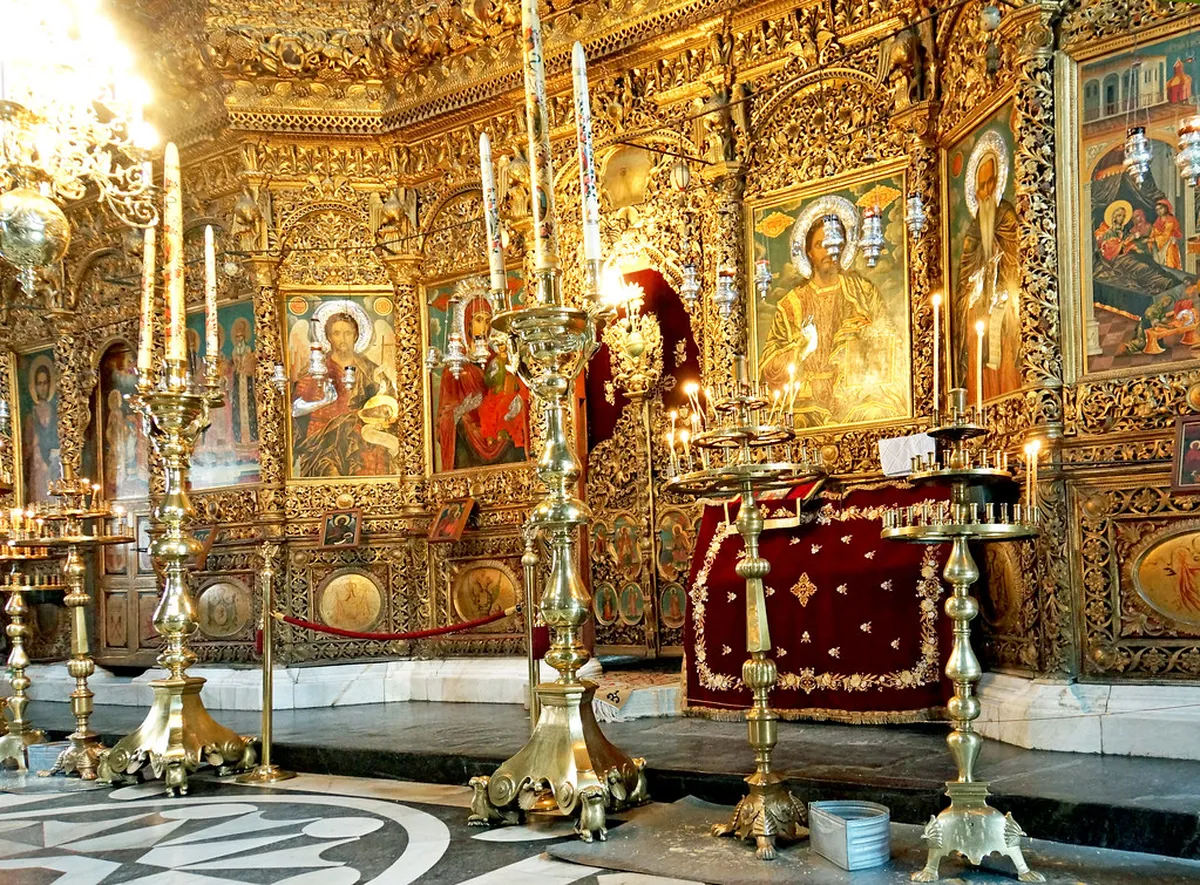
Jean-Antoine Scoffier represents the older architectural traditions that define the historic heart of Nice today. He was a master of the Niçois Baroque style which is common in the old town. His work on local churches is famous for its dramatic use of light and color. These buildings feature curved lines and ornate altars that inspire a sense of religious awe. You can find his touch on many of the most important religious sites.
Scoffier worked during a time when Nice was heavily influenced by Italian artistic and cultural trends. He used vibrant colors like ochre and red to decorate the exteriors of his buildings. This tradition is still maintained by the city to preserve the historical look of the area. Taking a Vieux Nice architectural walking tour will show you many of his best works. These narrow streets feel like a step back in time for many visitors.
The architect was particularly skilled at designing impressive interiors for small and crowded urban spaces. He used mirrors and clever lighting to make the church interiors feel much larger than they are. His use of gold leaf and intricate plasterwork added a layer of richness to the spaces. Many of these churches still hold regular mass and host beautiful classical music concerts. They are essential stops for anyone interested in the history of the city of Nice.
Scoffier also designed several public squares that serve as gathering places for the local community today. He understood the importance of creating social spaces where people could meet and talk freely. His designs often included fountains and benches to make the squares more comfortable for everyone. These areas remain the social heart of the Old Town throughout the entire year. His work proves that good architecture can improve the daily lives of all citizens.
The preservation of Scoffier's work is a top priority for the local government in Nice today. They have invested heavily in cleaning the facades and restoring the original colors of the buildings. This ensures that the history of the city remains visible for future generations of travelers. Visitors in 2025 can see the results of these careful restoration efforts across the town. His contribution to the soul of the city is deeply respected by everyone.
Modernist Visions and the Evolution of Nice
The twentieth century brought new challenges and styles to the famous architects of Nice and France. Modernist designers moved away from the heavy decorations of the past toward more functional designs today. They embraced materials like glass and steel to create buildings that felt light and very open. This shift reflected the changing social values of a world that was rapidly modernizing. Nice became a testing ground for many of these bold new architectural ideas.
Architects like Marc Di Napoli introduced clean lines and minimalist aesthetics to the local urban landscape. Their work often contrasts sharply with the ornate Belle Époque buildings found in other neighborhoods today. You can find interesting examples of modernist architecture in Nice near the newer business districts. These structures focus on efficiency and the clever use of limited urban space for residents. They offer a different kind of beauty that appeals to many contemporary travelers.
Modern architects also had to consider the environment and the climate of the Mediterranean region today. They designed buildings with natural ventilation systems to keep the interiors cool during the hot summers. They also used large windows to bring the outdoors inside and connect with nature. This focus on sustainability has become even more important in the architectural world of 2025. Many new projects in Nice now prioritize green energy and low carbon footprints.
The city continues to attract world-class architects who want to leave their mark on the Riviera. New projects like the Allianz Riviera stadium show that Nice is still a hub for innovation. These structures use cutting-edge technology to provide a unique experience for the many visitors. They stand alongside the historic palaces to create a city that feels both old and new. This blend of styles is what makes the architecture of Nice so special.
Looking forward, the famous architects of Nice will continue to adapt to the needs of the city. They will face challenges related to rising sea levels and the growing urban population today. However, the history of innovation in Nice suggests that they will find creative solutions soon. The city remains a living museum of architectural history that is always evolving and changing. Travelers in 2025 will find plenty of new things to discover on every corner.
Frequently Asked Questions
Who is the most famous architect in Nice history?
Charles Dalmas is often considered the most famous architect in the history of Nice. He designed the iconic Palais de la Méditerranée and many other luxury hotels. His work helped define the Art Deco and Belle Époque styles of the city.
Where can I see Belle Époque architecture in Nice?
The best place to see Belle Époque architecture is in the Cimiez neighborhood of Nice. You will find grand palaces like the Excelsior Regina and the Winter Palace there. These buildings were once homes for European royalty during the winter months.
Are the historic buildings in Nice open to the public?
Many historic buildings in Nice serve as hotels, museums, or public administration offices today. You can visit the lobbies of grand hotels or tour museums like the Palais Lascaris. Some residential buildings can only be viewed from the street for privacy reasons.
The famous architects of Nice have created a city that is truly unique in the world. From Baroque churches to Art Deco palaces, the variety of styles is absolutely stunning today. Exploring these buildings offers a deep look into the rich history of the French Riviera. Plan your visit in 2025 to see these architectural wonders for yourself very soon. You can start your journey by visiting the architecture in Nice landmarks today.
Key Takeaways
- Charles Dalmas was the master of Art Deco hotel design in Nice.
- Sébastien-Marcel Biasini created the famous Excelsior Regina Palace in Cimiez.
- Nice features a unique blend of Baroque, Belle Époque, and Modernist styles.
- The year 2025 is a great time to see restored historic facades.
- Vieux Nice is the best area to explore the city's Italian architectural roots.
Related reads: architecturebycity.com.