
Louis Vuitton Foundation Architecture Review
Read our Louis Vuitton Foundation architecture review. Discover Frank Gehry's glass masterpiece in Paris for 2025. Explore design secrets and visitor tips now.
On this page
The Fondation Louis Vuitton stands as a bold symbol of modern design in Western Paris. This iconic building serves as a private museum and a vibrant cultural center for the public. It represents a significant addition to the collection of contemporary landmarks in Paris today. Frank Gehry designed this structure to evoke the feeling of a majestic sailing ship.
This Louis Vuitton Foundation architecture review explores how the building interacts with its natural surroundings. The structure sits within the historic Bois de Boulogne park next to a lush children's garden. It combines massive glass sails with a central core known as the iceberg. Visitors in 2025 will find the design both challenging and deeply inspiring to witness. The interplay of light and reflection creates a unique atmosphere throughout the entire gallery space.
The Visionary Design Concept by Frank Gehry
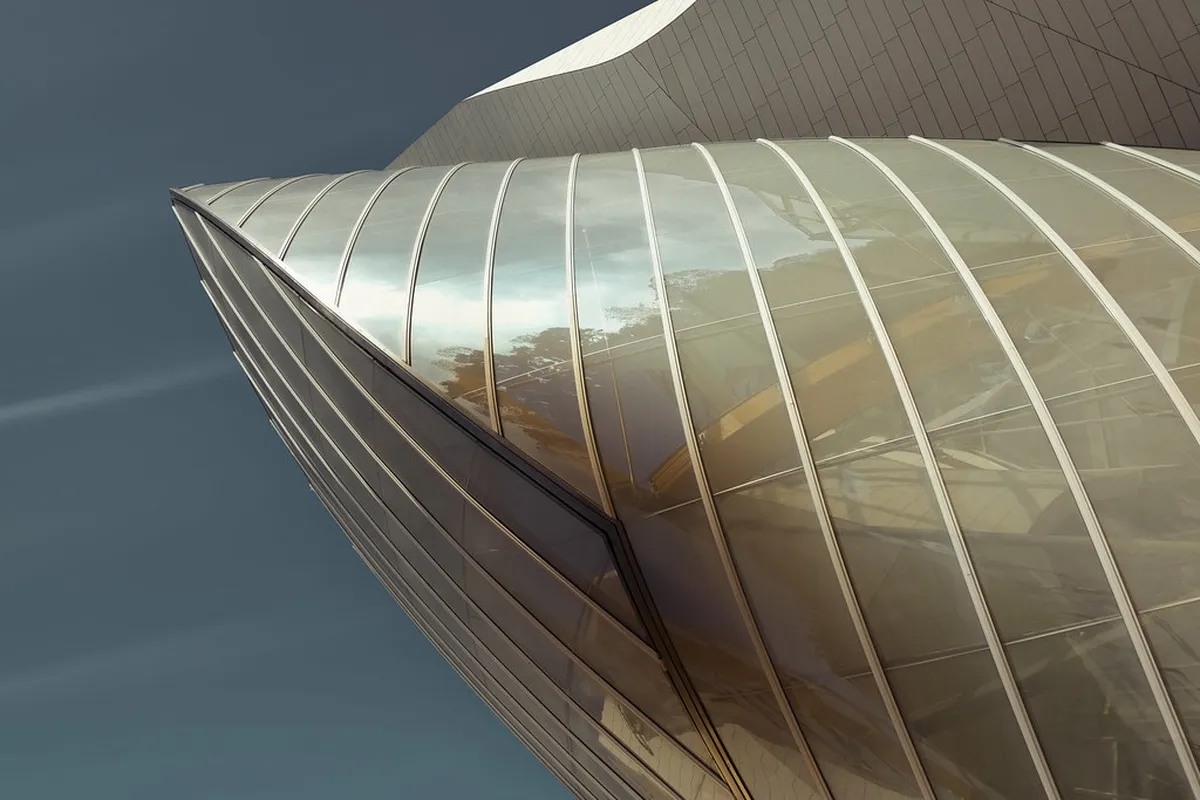
Frank Gehry drew inspiration from 19th-century garden glass houses for this ambitious project. He wanted to create a building that appeared light, transparent, and in constant motion. The design features twelve enormous curved glass sails that wrap around the internal structure. These sails are supported by a complex network of steel beams and wooden glulam struts. This combination of materials gives the museum a nautical yet organic aesthetic.
The building reacts to the changing light of the Parisian sky throughout the four seasons. On cloudy days, the glass takes on a soft gray hue that matches the urban atmosphere. When the sun shines, the reflections dance across the water gardens surrounding the base. This dynamic quality makes the museum feel like a living entity within the quiet park. Gehry successfully bridged the gap between traditional French elegance and radical modern forms.
Walking around the exterior reveals how the glass panels overlap to create depth and shadow. Each sail has a different shape and tilt to catch the wind metaphorically. This creates a sense of instability that is common in Gehry’s most famous works. The architect used advanced aerospace software to calculate the precise placement of every single component. This technological feat allowed for the creation of shapes that were previously impossible to build.
The foundation serves as a bridge between the historical park and the future of urban architecture. It respects the height limits of the surrounding trees while making a powerful visual statement. Visitors often describe the experience as being inside a giant, translucent sculpture. The design encourages exploration and offers new perspectives from every possible angle of the site.
Structural Innovation and Materials Used
The core of the museum is made of white fiber-reinforced concrete blocks called Ductal. These panels form the "iceberg" which houses the main gallery spaces and the auditorium. There are over 19,000 individual panels used to create the smooth, white surface of the core. Each panel was cast in a unique mold to ensure a perfect fit for the design. This material provides a stark contrast to the light and airy glass sails above.
The glass sails consist of 3,600 individual panels that were manufactured in a specialized furnace. Engineers used a technique called hot bending to achieve the complex curves required by the architect. This process ensures that the glass maintains its structural integrity while looking incredibly delicate. The sails are held up by an intricate framework of wood and high-strength steel. This structural honesty allows visitors to see exactly how the building supports itself.
The engineering of this site is just as impressive as the high-tech Centre Pompidou high-tech architecture style nearby. While the Pompidou exposes its services, the Foundation emphasizes its structural skeleton and skin. The use of wood in the supports adds a warm, natural element to the design. It connects the high-tech glass and steel to the surrounding forest of the Bois de Boulogne. This choice of materials reflects a commitment to both innovation and environmental harmony.
Building such a complex structure required several years of intense collaboration between architects and engineers. They had to overcome significant challenges regarding wind resistance and thermal expansion of the glass. The result is a structure that feels effortless despite its immense weight and technical complexity. It stands as a testament to what is possible in modern construction in the 21st century.
Interior Spaces and the Gallery Experience
Inside the museum, the layout features eleven different galleries with varying ceiling heights and sizes. These spaces are designed to host large-scale contemporary art installations and permanent collections. Natural light filters through the glass sails and into the heart of the building. This creates a soft, diffused glow that enhances the viewing experience for museum guests. The transition between indoor and outdoor spaces feels fluid and natural for everyone.
A series of terraces offer spectacular views of the Eiffel Tower and the La Defense district. These outdoor walkways allow visitors to get close to the glass sails and wooden supports. You can see the complexity of the joints and the scale of the materials used. The terraces are a highlights of any visit to the museum in 2025. They provide a unique vantage point for photography of the Parisian skyline and the park.
The "canyons" are narrow passageways located between the central iceberg and the outer glass sails. These spaces create dramatic vertical views and allow for interesting light play on the white walls. Visitors move through these areas on escalators and stairs that seem to float in mid-air. The path through the museum is not linear, which encourages personal discovery and wandering. This design philosophy aligns with the idea of the building as a journey.
The auditorium is another highlight of the interior, featuring large windows that look out onto the water. It can accommodate up to 350 people for concerts, lectures, and various film screenings. The acoustics were carefully tuned to provide a high-quality experience for all types of performances. Integrated technology allows for seamless transitions between different types of events throughout the year. The space feels intimate yet grand due to its connection to the outdoors.
Visiting the Foundation in 2025
Planning a visit to the Louis Vuitton Foundation requires some preparation to ensure the best experience. The museum is open daily except for Tuesdays, with extended hours on Friday evenings. Tickets usually cost between 16 and 22 Euros depending on the current exhibitions being shown. It is highly recommended to book your tickets online in advance to avoid long queues. This is especially important during peak tourist seasons or during major art events.
Getting to the museum is easy thanks to a dedicated shuttle bus from Place de l’Étoile. The shuttle runs every 20 minutes and costs a small fee for a round trip. Alternatively, you can take Metro Line 1 to the Les Sablons station for a short walk. The walk through the park is very pleasant and offers great views of the building. Wear comfortable shoes as you will be doing a lot of walking across the terraces.
The museum cafe, Le Frank, offers a sophisticated menu designed by a Michelin-starred chef. It is a great place to rest and enjoy the architecture over a light meal. Prices are higher than average, but the setting and quality of food are exceptional. The gift shop features a curated selection of art books and exclusive museum merchandise. It is a perfect spot to find a unique souvenir from your architectural tour.
Check the official website for information on guided tours available in several different languages. These tours provide deep insights into the technical and artistic aspects of the construction process. They are well worth the extra cost for anyone interested in professional architectural details. The staff are very knowledgeable and can answer specific questions about Gehry’s design choices. Photography is permitted in most areas, so bring a wide-angle lens for the best shots.
Frequently Asked Questions
Who is the architect of the Louis Vuitton Foundation?
The building was designed by the world-renowned American architect Frank Gehry. He is famous for his deconstructivist style and use of unconventional shapes. His work on this project is a highlight of architecture in Paris for the modern era. The project was commissioned by Bernard Arnault, the chairman of the LVMH group.
How much did it cost to build the Foundation?
The total construction cost is estimated to be around 780 million dollars. This large budget allowed for the use of custom materials and cutting-edge technology. It remains one of the most expensive private museum projects ever completed in France. The investment reflects the commitment to creating a lasting cultural legacy for the city.
What is the meaning behind the building's shape?
The shape is meant to resemble a sailing ship with its sails filled by the wind. It also references the tradition of glass garden pavilions found in French parks. The architect wanted to create a sense of lightness and transparency within the forest. This design allows the building to blend into the landscape while remaining a bold icon.
Is the Louis Vuitton Foundation worth visiting for architecture fans?
Yes, it is a must-see for anyone interested in contemporary design and engineering. The building offers a unique chance to see Frank Gehry's work on a massive scale. You can explore the complex relationship between glass, wood, and concrete in person. The terraces alone provide some of the best architectural views in the city of Paris.
The Louis Vuitton Foundation is a masterpiece that redefines what a museum can look like in 2025. It combines poetic vision with rigorous engineering to create a truly unforgettable space. Whether you love or hate the bold style, the building demands your attention and respect. It has successfully secured its place among the most important contemporary landmarks in the world today. Plan your visit soon to experience this incredible intersection of art and architecture for yourself.
Key Takeaways
- Frank Gehry designed the structure to look like a ship with 12 glass sails.
- The core uses 19,000 unique Ductal concrete panels for its iceberg-like shape.
- Advanced aerospace software was required to manage the complex structural engineering.
- Visitors can enjoy panoramic views of Paris from several multi-level outdoor terraces.
- The building is located in the Bois de Boulogne and costs about 16-22 Euros to enter.
Related reads: architecturebycity.com, philharmonie de paris jean nouvel design features, haussmann architecture paris.