
Jules Febvre Architecture: Iconic Designs in Nice
Explore the legacy of Jules Febvre architecture in Nice. Discover iconic Belle Époque designs and history in our 2025 portfolio review. Book your tour today!
On this page
Nice is a city defined by its stunning coastal views and grand historic buildings. Jules Febvre architecture represents the height of luxury during the Belle Époque period in France. Many travelers visit Nice to admire these grand historic structures in 2025. His work helped transform this coastal town into a world-class winter resort destination.
Understanding his creative vision requires a look at the history of the French Riviera. Febvre was a master of grand scale and intricate decorative details. He worked alongside other famous architects of Nice to shape the city. This article explores his most significant projects and their lasting impact today.
The Belle Époque Style of Jules Febvre
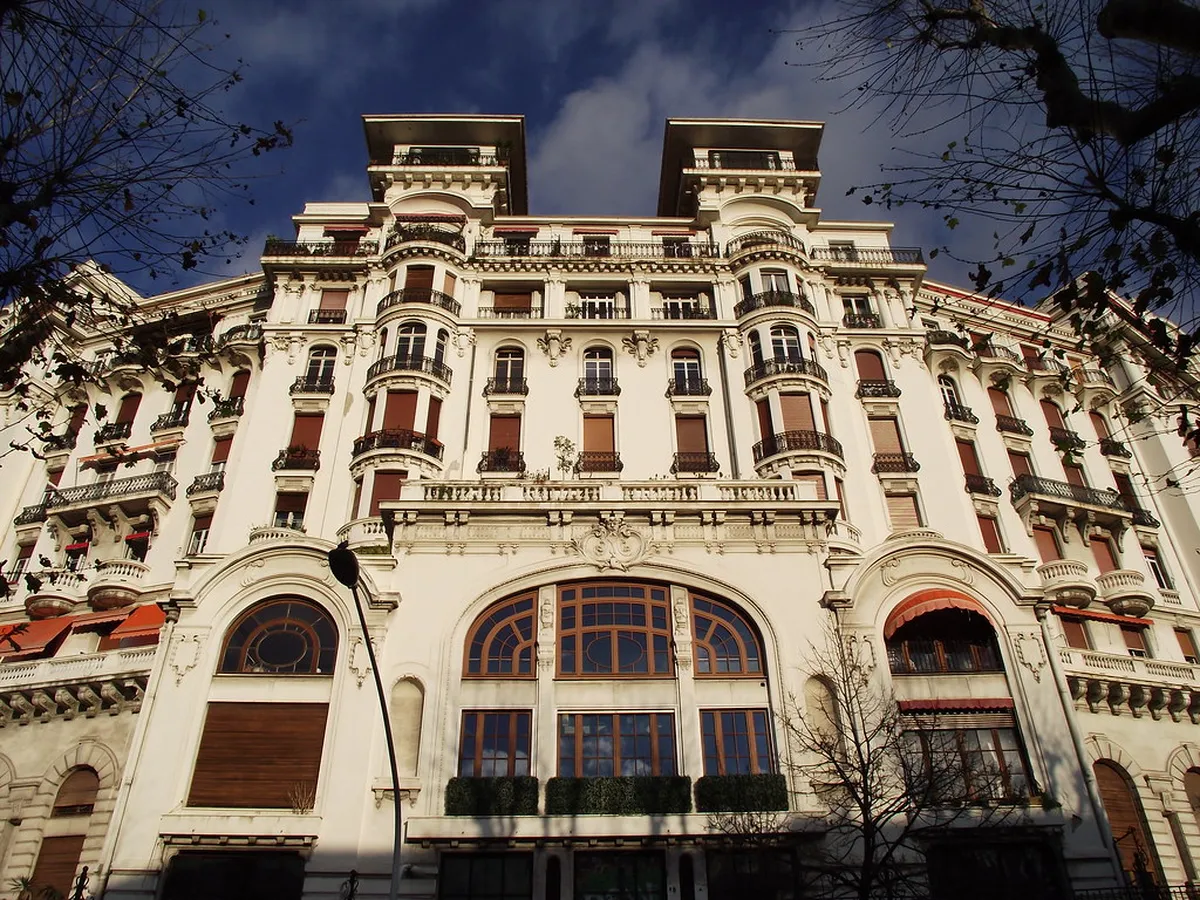
Jules Febvre defined the look of high society in Nice during the late nineteenth century. His buildings feature the ornate decorations typical of the Belle Époque architecture in Nice. You will notice heavy use of stone, iron, and decorative plaster on his facades. These materials were selected to convey a sense of permanence and immense wealth.
The architect often incorporated classical elements like tall columns and arched windows into his designs. These features provided a sense of balance to the highly decorated exterior surfaces. Febvre understood how to use natural light to enhance the beauty of his interior spaces. High ceilings and large glass openings are common traits in his residential works.
In 2025, many of these structures serve as luxury apartments or boutique hotels for visitors. They offer a unique glimpse into the glamorous lifestyle of the past century. Walking past a Febvre building feels like stepping back into a more elegant era. The preservation of these sites is a high priority for the local government.
The specific color palettes he chose often reflected the natural light of the Mediterranean coast. Soft ochre and warm cream tones dominate many of his most famous facade designs. These colors help the buildings glow during the famous golden hour in Nice. Travelers often gather to photograph these structures as the sun sets over the sea.
The Iconic Grand Hôtel in Nice
The Grand Hôtel remains one of the most significant examples of Febvre’s creative vision. This massive structure was designed to house the elite travelers who flocked to the Riviera. It features a long facade that overlooks the bustling streets of the central city. The symmetry of the building creates a powerful presence on the local landscape.
Inside the Grand Hôtel, Febvre utilized expensive marbles and exotic woods to impress guests. The grand staircase serves as a central focal point for the entire interior layout. Each room was designed with comfort and modern luxury in mind for the period. Modern visitors can still see the original ironwork on many of the balconies.
Restoration efforts in 2025 have kept the original spirit of the building alive for new generations. Experts have worked to repair the delicate plaster moldings found in the main ballroom. These details show the high level of craftsmanship Febvre demanded from his workers. The hotel remains a landmark for anyone interested in the history of tourism.
The location of the Grand Hôtel was chosen for its proximity to key transport hubs. It sat near the gardens and the main shopping avenues of the nineteenth century. This strategic placement made it the preferred choice for visiting royalty and famous artists. Today, it stands as a monument to the early days of global travel luxury.
Jules Febvre and the Cimiez Neighborhood
The Cimiez hill is home to some of the most impressive examples of Febvre’s residential work. This area was the preferred winter home for British and Russian aristocrats in the past. Febvre designed several large villas here that blended perfectly with the lush green surroundings. You can explore these sites using a Cimiez neighborhood architecture guide for the best experience.
His villas in Cimiez often featured sprawling gardens and private driveways for horse-drawn carriages. The architecture focused on providing privacy while still showcasing the social status of the owner. Large terraces allowed residents to enjoy the mild winter climate of the French Riviera. These outdoor spaces are still highly valued by modern residents living in the area.
Many of these historic villas have since been converted into museums or public institutions. This conversion ensures that the public can appreciate Febvre’s architectural genius in 2025. The transition from private homes to public spaces has been handled with great care. Original layout features are often preserved to maintain the historical integrity of the site.
Walking through Cimiez allows you to see the variety in Febvre’s residential design portfolio. No two villas look exactly the same despite sharing a common architectural language. He tailored each project to the specific needs and tastes of his wealthy clients. This personal touch is what makes his work stand out among his peers.
Architectural Elements of Febvre’s Work
One striking feature of Jules Febvre architecture is the use of elaborate rooflines and domes. He often used slate tiles and lead accents to create visual interest at the top. These elements make his buildings easy to identify from a distance across the city skyline. The complexity of these roofs required specialized builders and massive financial investment.
Sculptural details are also a hallmark of his specific approach to building design in Nice. Look for stone faces, floral wreaths, and mythical creatures carved into the window frames. These decorations were often hand-carved by skilled artisans brought in from across Europe. Such high levels of detail are rarely seen in modern construction projects today.
- Wrought Iron Balconies: Intricate patterns that often include the initials of the building owners.
- Stucco Facades: Smooth surfaces painted in traditional Mediterranean colors like peach and yellow.
- Grand Entrance Portals: Large wooden doors flanked by stone columns to welcome important guests.
- Corner Turrets: Round towers placed on street corners to provide 270-degree views of the city.
The use of local stone was another key strategy in his various building projects. Febvre preferred materials that could withstand the salty air of the nearby Mediterranean Sea. This choice has allowed his buildings to remain in excellent condition for over a century. It also helped the structures blend into the natural rocky landscape of the region.
Legacy Among Famous Architects of Nice
Jules Febvre is often compared to other masters like Charles Dalmas and Sébastien-Marcel Biasini. While they all worked in the Belle Époque style, Febvre had a unique flair. He focused more on the residential experience than the purely decorative aspects of the facade. His buildings feel lived-in and functional despite their massive size and grand appearance.
His influence can be seen in the work of younger architects who followed his lead. They adopted his use of large windows and terrace spaces for their own designs. This helped create the cohesive architectural look that Nice is famous for in 2025. The city would look very different without his early contributions to the landscape.
Historians often point to Febvre as a pioneer of the luxury apartment block in France. He realized that the wealthy wanted the services of a hotel with the privacy of a home. This insight led to the creation of some of the first true luxury residences in Nice. These buildings set the standard for urban living throughout the early twentieth century.
Today, architecture students come from around the world to study his surviving building plans. The archives in Nice contain many of his original drawings and site layouts. These documents reveal a meticulous mind that planned every detail of the construction process. His legacy continues to inspire those who value beauty and function in design.
How to Tour Febvre’s Buildings in 2025
The best way to see Febvre’s work is by taking a walking tour of central Nice. Start your journey near the Avenue Jean Médecin to see his grand commercial structures. Most of these buildings are within a twenty-minute walk of each other in the city center. Wear comfortable shoes as some areas have traditional cobblestone streets that are uneven.
Entry into many of the private apartment buildings is restricted to residents only. However, you can admire the stunning facades and entrance halls from the public sidewalk. Guided tours often provide historical context that you might miss when exploring on your own. Local guides can point out the small details that make Febvre’s work so special.
For the villas in Cimiez, you can take a local bus or a short taxi ride. Many of these sites are located near the Matisse Museum and the Roman ruins. This allows you to combine an architectural tour with other cultural visits in one afternoon. Plan for at least three hours to see the major sites in this neighborhood.
The cost of a professional guided tour in 2025 ranges from 20 to 50 euros. Some tours include interior access to specific historic rooms or private garden spaces. Booking in advance is highly recommended during the peak summer and spring travel seasons. Check local tourism websites for the most updated schedules and prices for the year.
Frequently Asked Questions
Where are the most famous Jules Febvre buildings located?
Most of his famous works are located in the center of Nice and the Cimiez hill area. You can find his grand hotels near the main shopping boulevards of the city. The Cimiez neighborhood contains his most impressive private villas and luxury residential estates.
What is the primary style of Jules Febvre architecture?
Jules Febvre primarily worked in the Belle Époque style during the late 1800s. This style is known for being highly decorative and very grand in scale. It utilizes classical elements like columns and arches paired with modern materials of the time.
Can I visit the interior of Jules Febvre buildings in 2025?
Some of his buildings are now public museums or hotels that you can enter freely. Many others are private residences where you can only view the exterior from the street. Check local listings for special heritage days when private buildings open to the public.
Jules Febvre was a visionary who helped define the architectural spirit of Nice, France. His buildings continue to captivate visitors with their elegance and grand scale in 2025. Whether you are an architecture fan or a casual tourist, these sites are must-see attractions. Explore the city today to witness the lasting beauty of Jules Febvre architecture firsthand.
Key Takeaways
- Jules Febvre was a master of the Belle Époque style in Nice.
- The Grand Hôtel is one of his most significant surviving works.
- Cimiez is the best neighborhood to see his luxury villa designs.
- His work focused on combining grand luxury with practical residential living.
- Touring these sites in 2025 offers a deep look into Riviera history.
Related reads: architecturebycity.com, architecture in nice, charles dalmas buildings in nice.